Blog

What Are the Top 10 Contact Lens Factories in China?
Choosing among China’s contact lens manufacturers takes more than comparing product photos or quoted prices. A reliable contact lens factory should be assessed through its production capabilities, quality controls, documentation, and communication. China has an established manufacturing base, but suppliers can differ considerably in materials, lens types, customization, and export support.
This guide introduces ten factories for closer evaluation, not as a universal ranking. Company information and product ranges can change, so confirm current details directly. Ask whether a supplier manufactures lenses in-house or works as a trading company. Review relevant quality certificates, batch traceability, inspection procedures, and available product specifications. Where possible, request sample lenses and examine packaging, labeling, and consistency. Small details matter.
A polished website is not proof. Factory visits, independent audits, and clear written answers can provide stronger evidence, though access and verification options vary. Compare minimum order quantities, lead times, customization terms, and after-sales support alongside price. Be cautious when claims are difficult to document or technical answers remain vague. Even a thorough checklist has limits; it cannot guarantee a smooth partnership. That uncertainty deserves attention. The following overview offers a practical starting point for buyers seeking manufacturers to investigate, while encouraging careful, current verification before making a sourcing decision.
Read more »
 By:Amelia
- November 16, 2026

7 Tips for Choosing a Contact Lens Manufacturer?
Choosing a contact lens manufacturer is more than comparing unit prices or browsing polished product photos. The decision can affect lens comfort, supply consistency, documentation, and the experience of people who wear the products. A sample may look clear under bright office lights, yet feel different after hours of wear. That gap is why careful questions matter.
Ask how the manufacturer controls materials, production conditions, inspections, and batch traceability. Request current quality documents and confirm that products meet requirements in the markets where they will be sold. Details should be verifiable, not just promised. Good sourcing also depends on practical fit. Can the factory maintain its stated capacity during peak seasons? How quickly does it answer a technical question? Clarify minimum order quantities, lead times, packaging options, complaint handling, and support after delivery. Then compare total costs, not only the quoted price. A low offer can become expensive when delays or unclear specifications disrupt planning. No shortcut works.
Even a confident buyer can miss a detail when the presentation looks polished. Leave room to verify claims, request samples, and challenge assumptions. Some questions may feel repetitive. That takes scrutiny. This guide presents seven practical tips for evaluating a manufacturer through evidence, clear communication, and realistic expectations before committing to a long-term partnership.
Read more »
By:Amelia
- November 10, 2026

What Is a Colored Contact Lens Manufacturer?
A colored contact lens manufacturer is a company that develops or produces tinted lenses, then manages quality checks, packaging, and supply. Some manufacturers sell their own brands; others make products for retailers or private-label companies. The work involves more than adding color to a clear lens. Lens shape, material, pigment placement, oxygen transmission, and edge finish can all affect comfort and performance. A vivid iris pattern may catch the eye, but manufacturing details matter more.
Regulatory and public-health sources help explain why. The U.S. Food and Drug Administration classifies decorative contact lenses as medical devices, rather than ordinary fashion accessories. Its guidance makes clear that appearance alone does not establish safety. In a 2015 report in the CDC’s Morbidity and Mortality Weekly Report, 99% of 1,075 surveyed adult contact lens wearers reported at least one risky wearing or care behavior. That finding does not measure factory quality. It does show why clear instructions, reliable packaging, and traceable product information matter after a lens leaves the factory.
A careful buyer or business partner should therefore look beyond color samples. Ask how the manufacturer controls production batches, verifies materials, documents quality checks, and handles complaints. Check whether its claims can be supported with records, not just polished photographs. That distinction is easy to blur. A manufacturer may shape the product, but safe use also depends on professional fitting and wearer habits. The details deserve scrutiny.
Read more »
 By:Ethan Carter
- November 10, 2026
10 Tips for Finding a Reliable Contact Lens Supplier
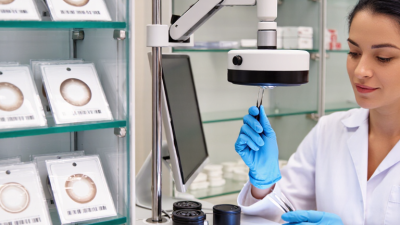
Choosing a reliable contact lens supplier is not a routine purchasing task. These products sit close to the eye, so quality, traceability, and clear communication matter. “Contact lenses are medical devices, and they should be treated as such,” says ophthalmologist Dr. Thomas Steinemann. That principle gives this guide its starting point. Not just price.
These ten tips will help buyers assess product documentation, manufacturing controls, delivery consistency, and customer support. Ask how the supplier verifies batches, handles complaints, and communicates product changes. Check that relevant approvals and labeling meet requirements in the markets where you operate. Request references, review written service terms, and compare lead times with actual demand. A polished website is not proof. Nor is a low quote. Small details count: a missing lot number, a vague answer about storage, or a shifting delivery date can signal a process worth examining more closely. These checks do not replace professional or regulatory advice, but they can make supplier conversations more precise.
No supplier is perfect, and buyers may discover gaps after a first order. I would be cautious about treating one successful shipment as proof of long-term reliability. Use a documented scorecard, keep records of supplier responses, and review performance regularly. The guide also considers pricing, flexibility, and warning signs, helping clinics and resellers make decisions based on evidence rather than polished promises. Start with questions. Keep checking.
Read more »
By:Ethan Carter
- November 10, 2026