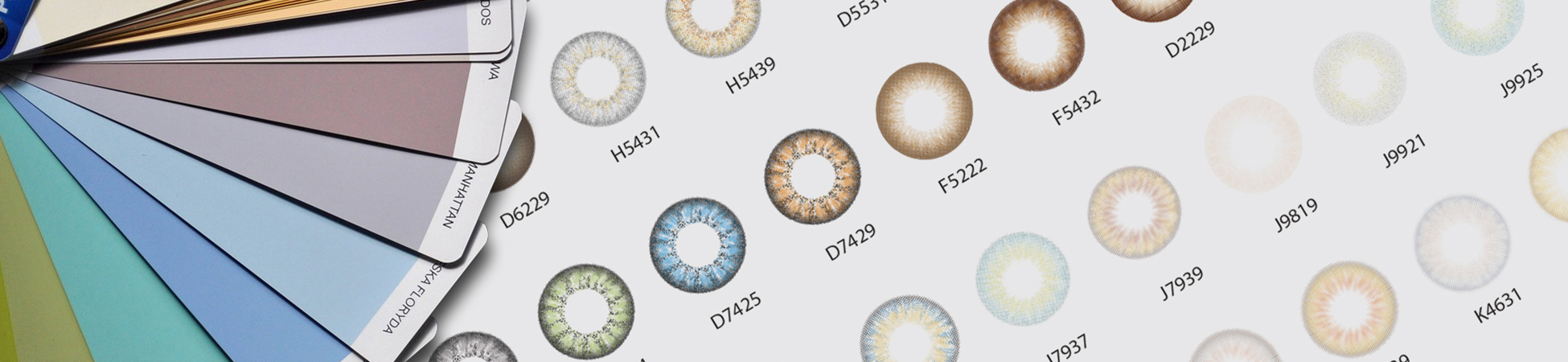
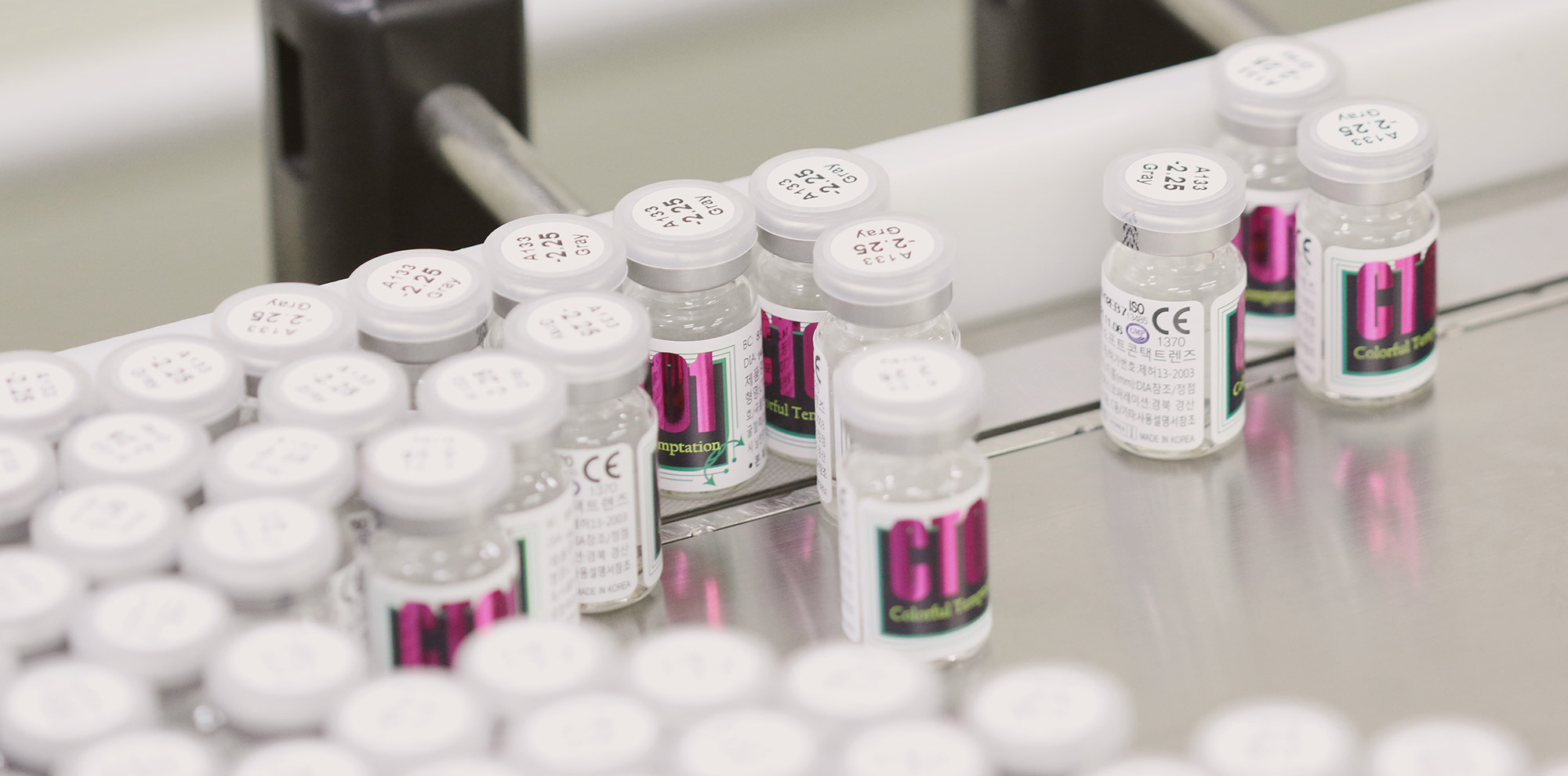
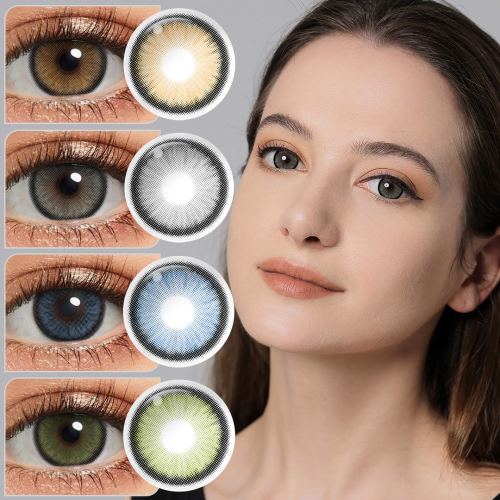
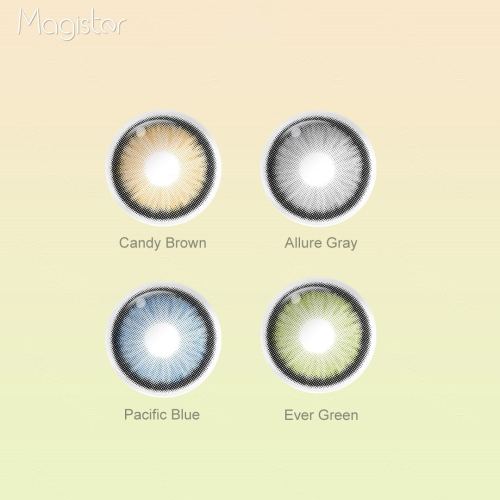
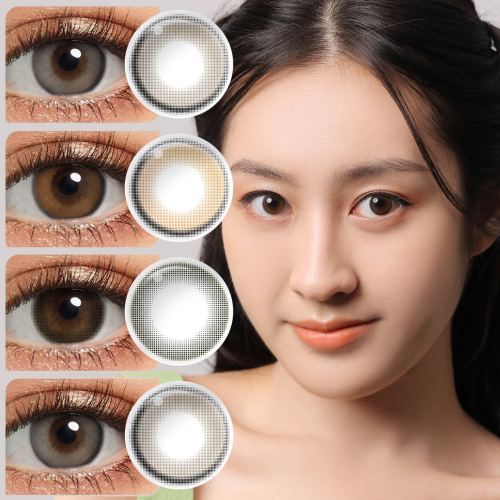
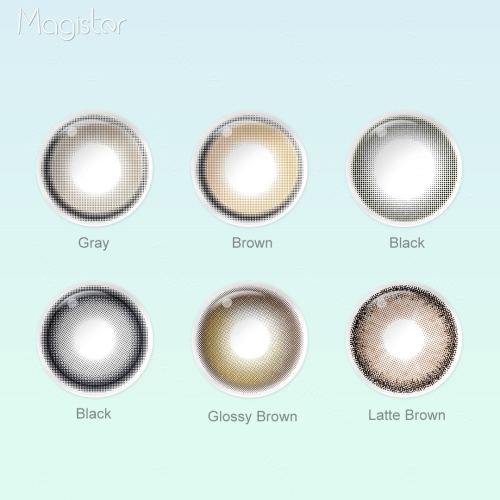
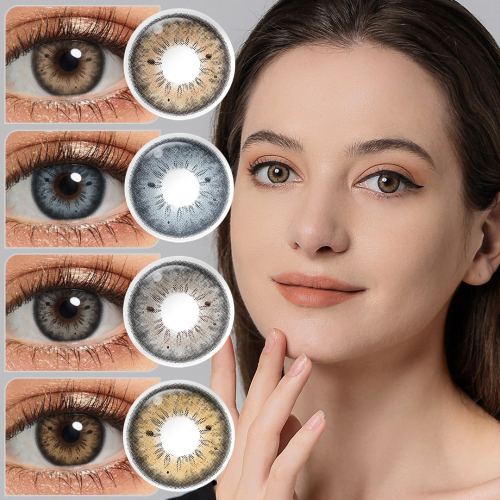
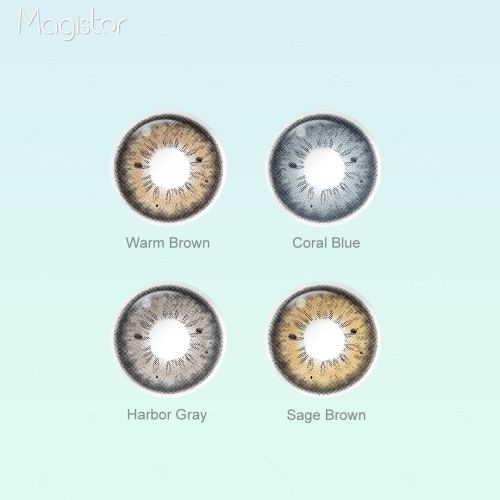
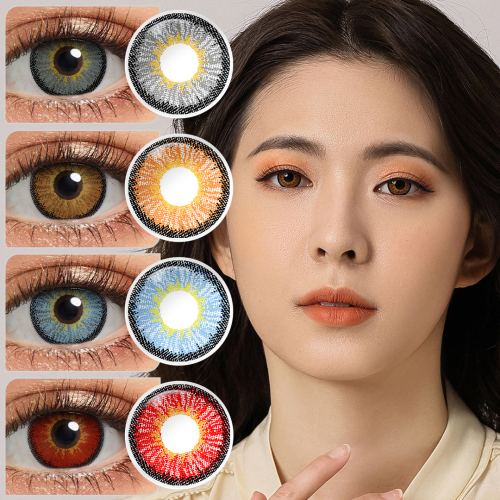
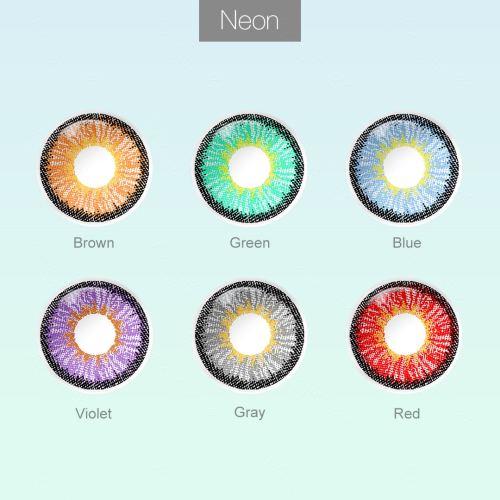
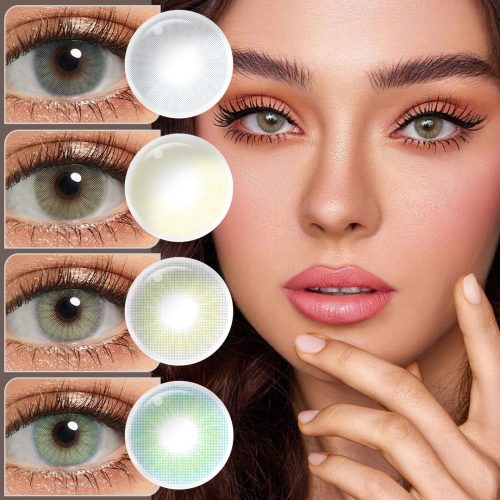
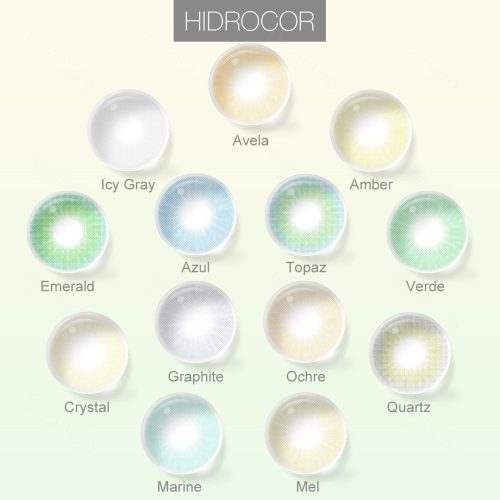
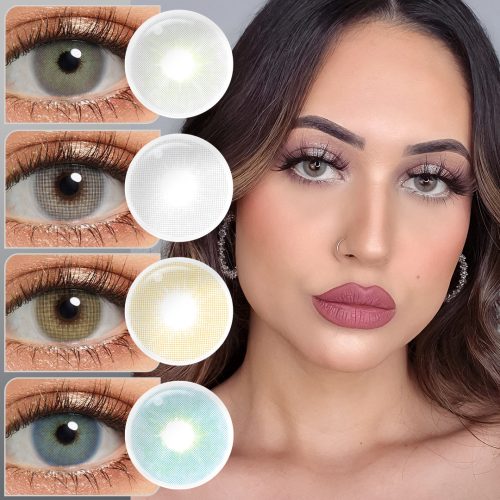
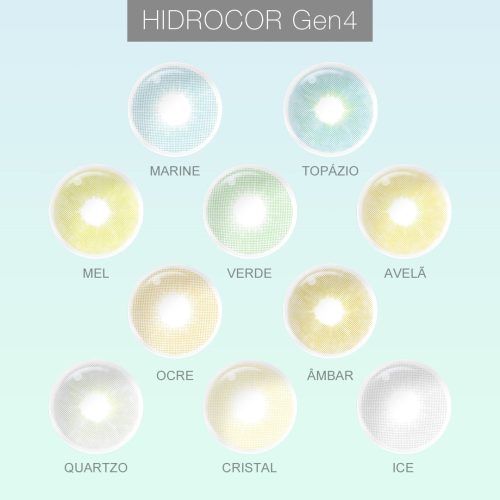
The global market for private label colored contact lenses has evolved from a niche cosmetic novelty into a high-growth medical aesthetics industry. Modern consumers demand high visual impact paired with uncompromising ocular health standards, long-lasting moisture retention, and smooth fit dynamics. For optical chain operators, beauty brand founders, and regional importers, launching a private label collection offers high profit margins—provided the manufacturing partner satisfies rigorous safety, technical, and regulatory requirements.
At Miomiconlens Technology Co., Ltd., we bridge the gap between complex optical engineering and commercial brand execution. As a trusted OEM/ODM manufacturer, we operate ISO 13485-certified facilities utilizing fully automated cast-molding technology, advanced hydrogel chemistry, and proprietary 3-layer sandwich encapsulation printing. In this comprehensive guide, we address the critical questions and technical criteria global buyers evaluate when searching for reliable private label contact lens partners.
1. Essential Criteria for Selecting a Private Label Contact Lens Factory
When evaluating manufacturers for private label colored contact lenses, professional buyers must look far beyond unit price. Because cosmetic lenses interact directly with sensitive corneal tissue, manufacturing flaws can cause keratitis, hypoxia, or pigment leaching. Here are the core pillars that define a tier-one OEM partner:
- Biocompatible Polymer Matrix: Superior hydrogel materials (such as HEMA-based formulations and advanced Silicone Hydrogels) balance oxygen transmissibility ($Dk/t$) with optimal water content (38% to 42%) to prevent end-of-day dryness and corneal staining.
- 3-Layer Sandwich Encapsulation Printing: Direct surface printing of pigments poses grave risks of chemical irritation. Miomiconlens Technology Co., Ltd. employs a micro-encapsulation technique that encapsulates pigment layers between two micro-thin layers of clear hydrogel material. Dyes never touch the ocular surface.
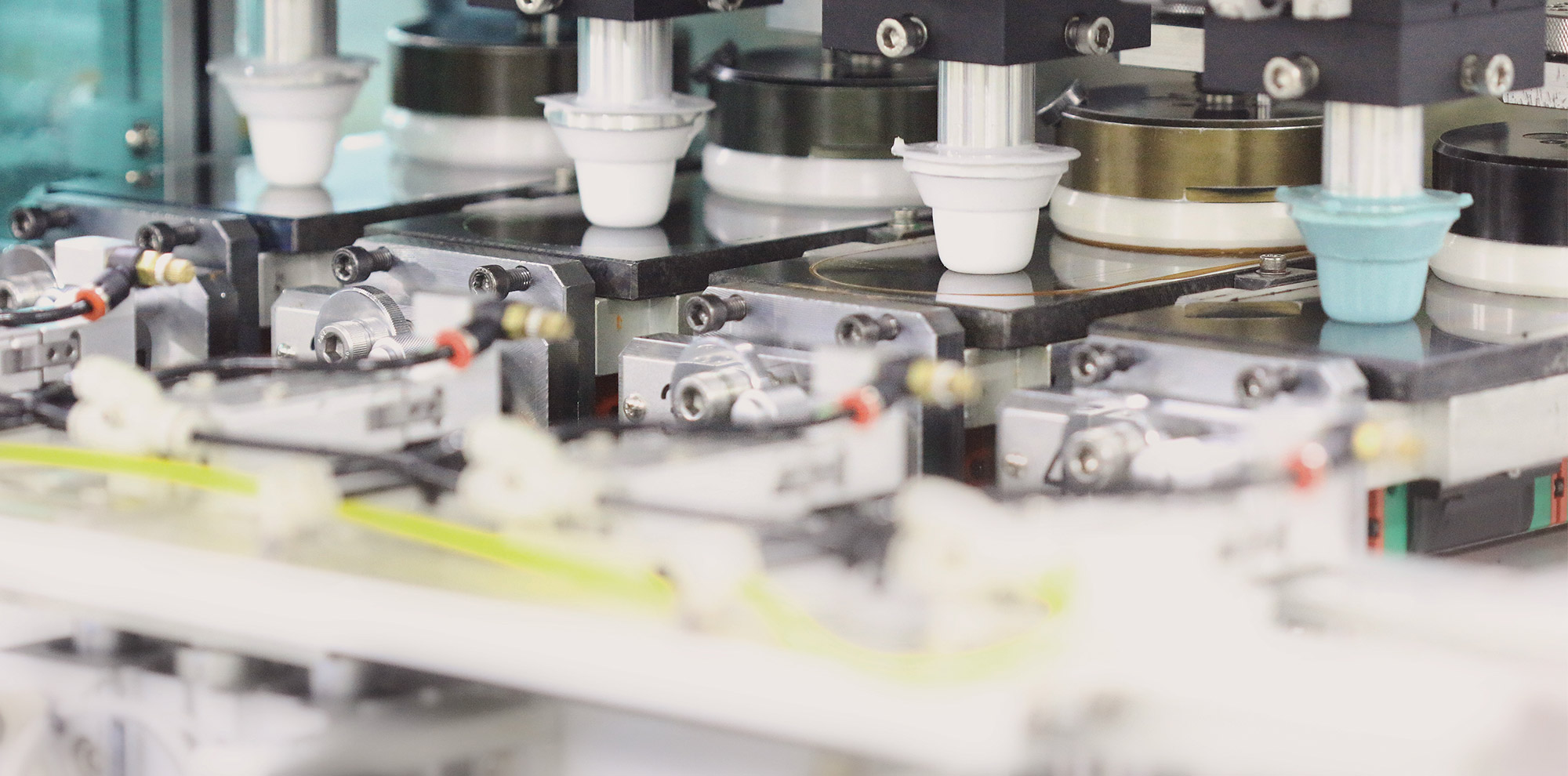
- Precision Automated Cast Molding: Lathe-cutting can result in microscopic surface abrasions and inconsistency. Fully automated cast molding produces pristine, smooth lens edges, guaranteeing consistent base curve (BC) radius and diameter (DIA) across millions of units.
- Regulatory Documentation Support: Importers in the EU, USA, Southeast Asia, and South America require robust technical files, biocompatibility test reports (ISO 10993), sterilization validation, and lot-traceable quality control records.
2. Cast Molding vs. Sandwich Technology: Technical Excellence Explained
To differentiate your brand in a competitive marketplace, understanding the physical properties of colored contact lenses is paramount. Our R&D engineering team focuses on three key optical manufacturing metrics:
Sandwich Pigment Micro-Encapsulation
Our automated color-printing station deposits natural iris patterns (limbal rings, radial striations, and pupillary transition tones) with sub-micron accuracy. The pigment layer is subsequently sealed within the hydrogel matrix, ensuring zero pigment exposure, smooth tear-film movement, and unimpaired light transmission through the optic zone.
Precision Edge Profile Design
Corneal comfort is largely governed by lens edge geometry. Miomiconlens Technology Co., Ltd. uses high-precision CNC mold toolings that generate smooth, rounded tapered edges. This design minimizes palpebral conjunctival friction during blinking, maintaining continuous tear exchange beneath the lens.
By controlling every parameter—from monomer mixing and UV cross-linking to hydration equilibrium and saline autoclaving at 121°C—Miomiconlens Technology Co., Ltd. delivers private label contact lenses that perform flawlessly in optical lab tests and daily consumer use.