In medical-device manufacturing, contact lens packaging performs a rigorous dual mandate: it acts as a validated Class II sterile barrier system while simultaneously serving as the primary touchpoint for high-margin retail conversion.
Primary Sterile Packaging
Certified sterile barrier systems engineered for daily, monthly, and yearly replacement formats.
Multi-layer co-extruded aluminum lidding foils
Medical PP thermoformed blister bowls with easy-peel ergonomics
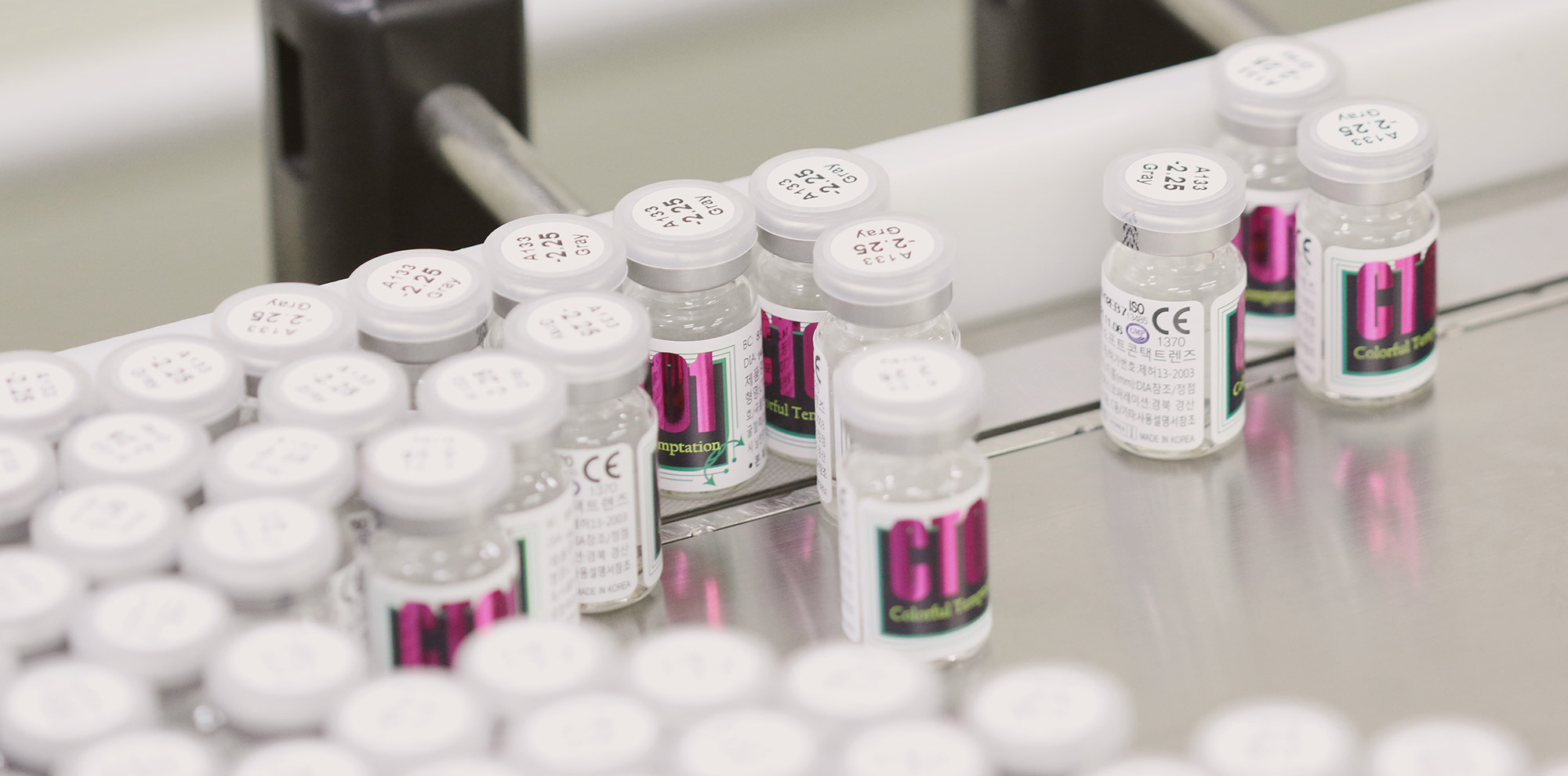
USP Type I borosilicate glass vials with tamper-evident flip-off caps
Terminal autoclave moist heat sterilization tolerance at 121°C
Emerging Trends in Global Contact Lens Packaging (2026–2030)
Procurement directors and brand founders are navigating dramatic structural shifts. In an AI-assisted search landscape, successful brands gain a competitive moat through actionable material innovation and compliance resilience.
Mono-Polypropylene100% Recyclable Blisters
Procurement Strategic Shift
1. Sustainable Circularity & The Monomaterial Blister Transition
Historically, contact lens blisters were an unrecyclable combination of polypropylene (PP) plastic cups and thermo-laminated multi-layer aluminum foils. Driven by the European PPWR (Packaging and Packaging Waste Regulation) and corporate ESG mandates, the market is urgently transitioning toward mono-material blister systems.
At Miomiconlens Technology Co., Ltd., we have pioneered high-barrier all-PP thermoformed blisters matched with proprietary barrier-coated peelable lidding films. This breakthrough eliminates composite cross-contamination, allowing optical wearers to dispose of the entire blister in standard recycling streams while maintaining a 5-year sterile shelf life.
Lightweight Nested Blister Geometries
Reduces raw virgin plastic weight by up to 38% compared to traditional deep-well cups.
Modern consumers demand effortless verification. Global regulatory bodies are actively supporting electronic Instructions for Use (e-IFU). By utilizing custom contact lens packaging equipped with serialized dynamic QR codes and NFC tags, brands minimize bulky multi-page paper inserts while opening high-retention post-purchase portals.
Wearers scan the secondary box or blister edge to access ophthalmologist-approved insertion videos, dynamic shade preview filters, and verified batch reordering.
The explosive rise of direct-to-consumer (DTC) colored contact lens subscription brands has shifted packaging geometry. Bulky cube boxes incur massive postal surcharges and fragile handling risks.
Modern procurement trends favor "Flat-Pack" ultra-slim nested blister strips designed explicitly to fit through standard household mail slots (Letterbox delivery under 25mm thickness). This dramatically cuts last-mile fulfillment costs and eradicates failed courier drops.
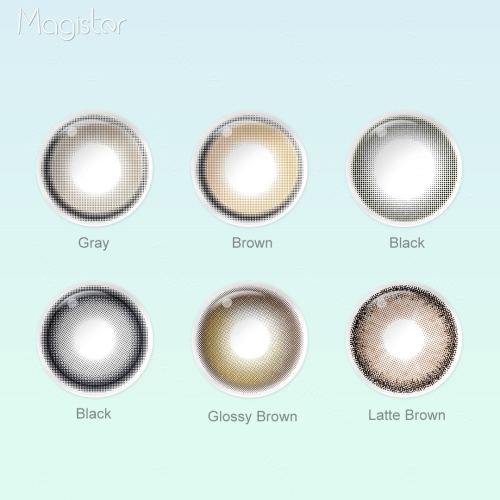
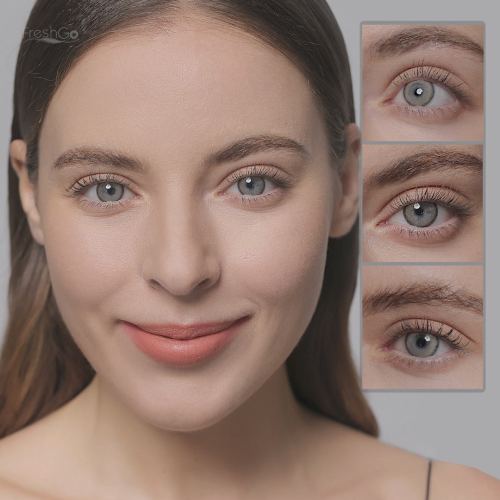
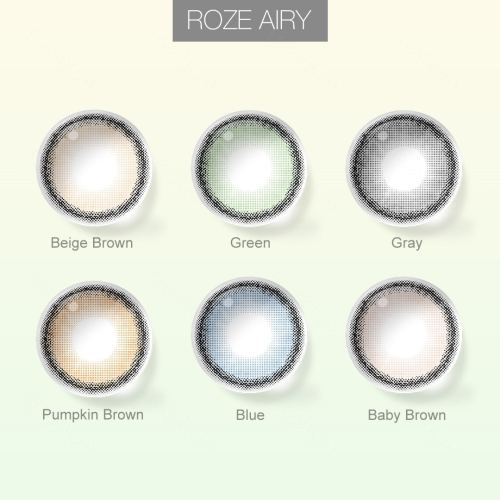
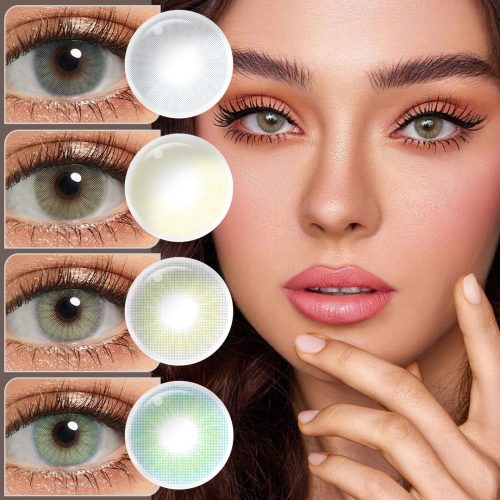
Colored contact lenses have fully migrated from clinical pharmaceutical tools to high-fashion beauty accessories. Eye color collections now demand secondary packaging that rivals luxury cosmetics (such as Dior or Charlotte Tilbury).
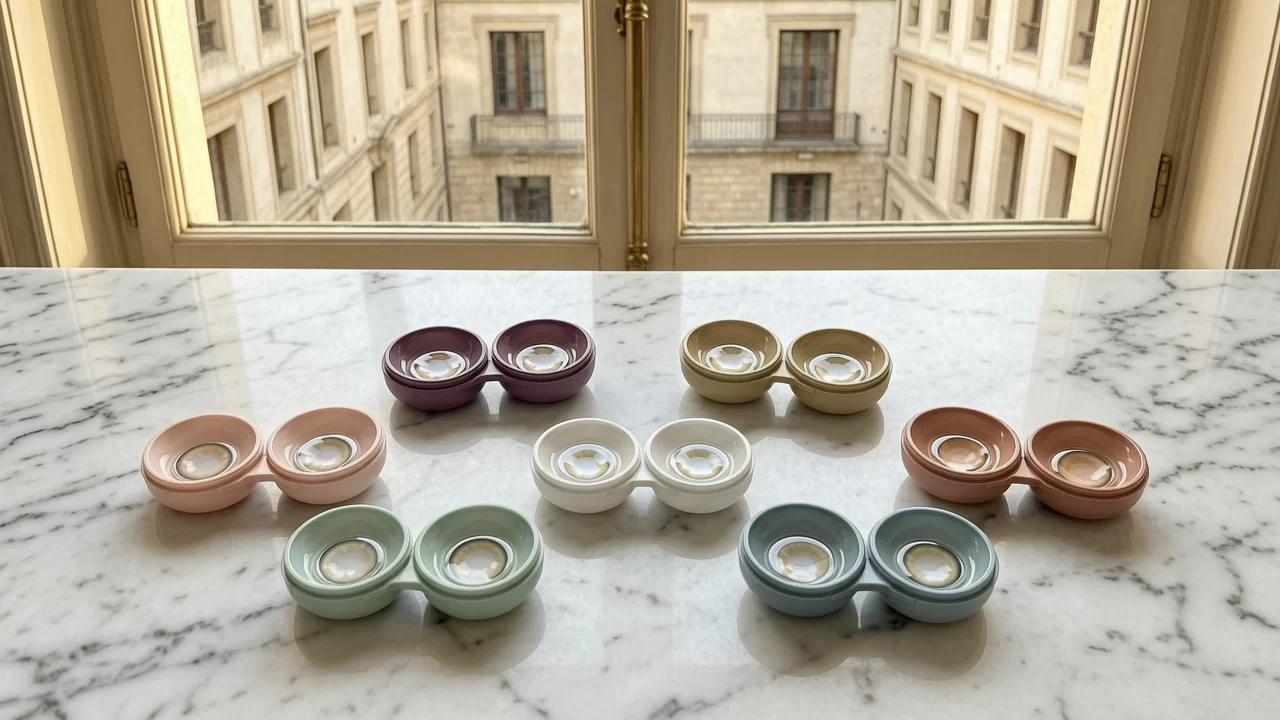
Leading buyers are specifying soft-touch velvety textures, sculpted holographic blind embossing, metallic hot foil stamping, and magnetic clamshell keepsake cases that command retail margins in excess of 400%.
B2B Sourcing Playbook
Key Considerations When Sourcing Custom Contact Lens Packaging
Avoid expensive customs seizures, failed autoclave runs, and clinical recalls. Every seasoned buyer evaluates these five engineering criteria prior to tooling release.
1. Autoclave Thermal Dynamics
Contact lenses must undergo terminal moist heat steam sterilization at 121°C (250°F) for at least 15 to 30 minutes at 15–20 psi. Lower-grade foils or standard cosmetic packaging adhesives instantly delaminate, swell, or rupture during pressure relief. All primary materials must be specifically rated for medical autoclave conditions.
2. Saline Osmolality Barrier
Lenses reside submerged in buffered isotonic saline solutions for 1 to 5 years. The barrier layer must exhibit virtually zero Moisture Vapor Transmission Rate (MVTR). If water vapor evaporates through micro-pinholes in inferior foil, saline osmolality increases dramatically, causing severe ocular stinging, lens shrinkage, and cornea abrasion upon wear.
3. Peel-Force Ergonomics
Blister lidding must exhibit balanced peel adhesion (typically between 5N to 12N per 15mm width). If the seal is too stubborn, consumers splatter saline onto their clothes or tear the foil jaggedly; if too loose, micro-leakage destroys sterility. Miomiconlens calibrates continuous heat-sealing platen parameters to achieve smooth, splash-free peel dynamics.
4. UDI & Global Serialization
The US FDA 21 CFR 830 and EU MDR 2017/745 mandate Unique Device Identification (UDI). Custom secondary boxes and primary blister foils must reserve designated unvarnished zones for machine-readable 2D DataMatrix codes, incorporating Device Identifier (DI) and Production Identifiers (PI: Lot, Expiry Date, Serial Number).
5. Toxicological Biocompatibility
Secondary carton inks cannot contain volatile organic compounds (VOCs) that leach through storage pores, and primary lidding adhesives must strictly comply with ISO 10993 cytotoxicity, sensitization, and ocular irritation standards. Safe packaging guarantees your medical device brand stands on rock-solid legal ground.
Download Packaging Specifications
Access our engineering blister die-lines, foil tensile data sheets, and carton layout templates.
Enterprise Manufacturing Power Behind Your Packaging Vision
Miomiconlens Technology Co., Ltd. operates state-of-the-art contact lens production and packaging infrastructure. We eliminate the common disconnect between cast-molding laboratories and outsourced box print shops by delivering true turnkey integration.
Ultra-Flexible Low MOQ Programs
Launch high-aesthetic custom printed secondary packaging starting at just 100 pairs per SKU—empowering startups to test multiple visual concepts without crushing cash flow.
Integrated Regulatory Support & Technical Files
We provide full documentation for EU MDR 2017/745 (Annex XVI cosmetic lenses), US FDA 510(k), and Health Canada, including burst pressure testing, dye penetration, accelerated aging reports, and UDI data formatting.
In-House Structural & Graphic Engineering Studio
Receive precision CAD die-lines, rapid 3D digital photorealistic renders, and physical unprinted white mockups within 48 to 72 hours for fitment and ergonomic evaluation.
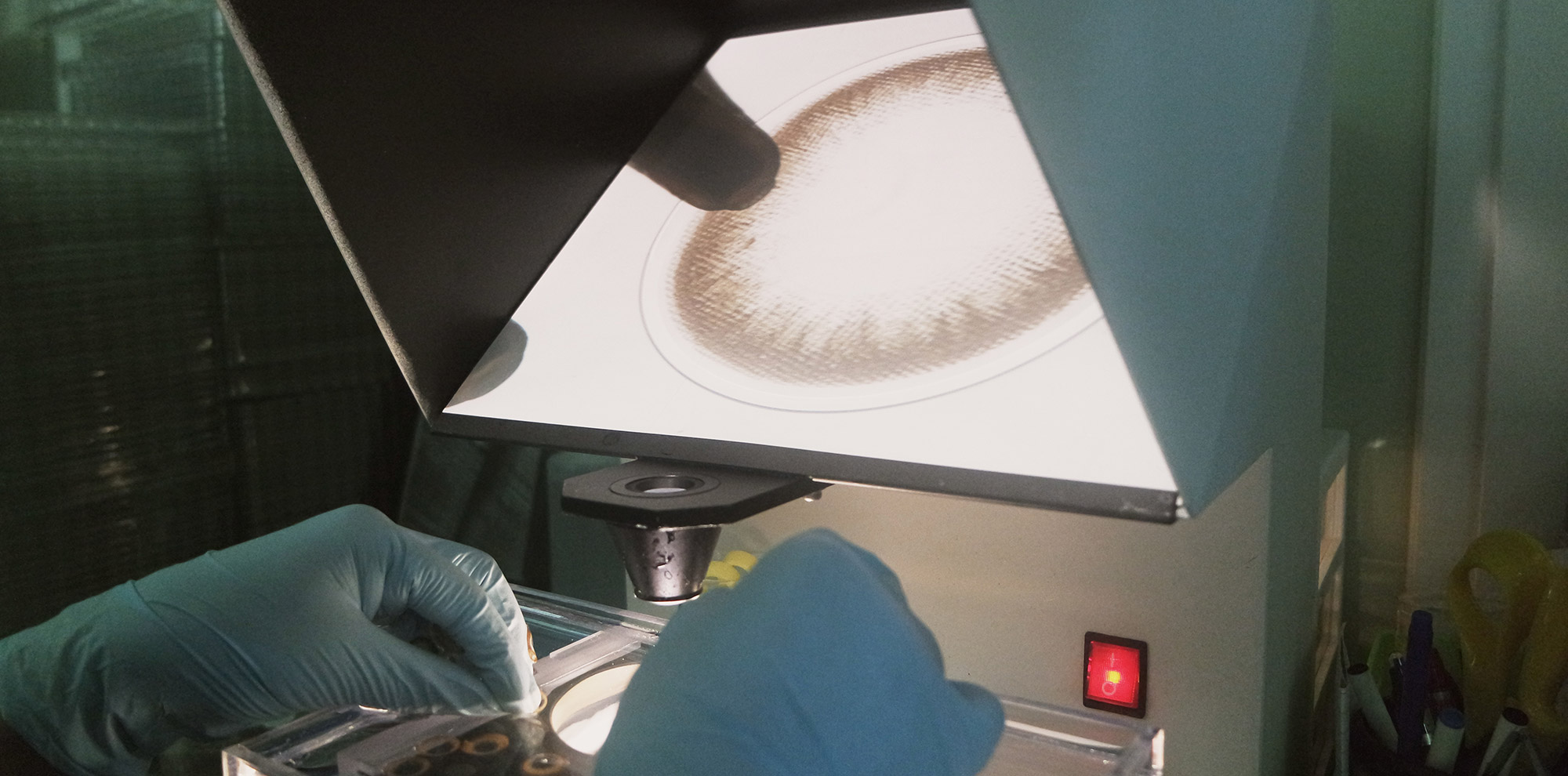
Our cleanroom packaging systems operate under tightly audited medical device quality management frameworks recognized by global health authorities.
Packaging validation protocols comply with ISO 11607-1/2 (Packaging for terminally sterilized medical devices), ASTM F1929 (Dye penetration seal integrity), and ASTM F88 (Seal peel strength). Complete validation technical files are released during project confirmation.
What are the regulatory requirements for custom contact lens packaging in the EU and US?
Contact lenses—including cosmetic, non-corrective lenses under EU MDR 2017/745 Annex XVI—are regulated as Class IIa/IIb medical devices in Europe and Class II/III medical devices by the US FDA. Consequently, packaging must comply with ISO 11607-1/2 for terminally sterilized medical devices.
This mandates verified microbial barrier properties, seal strength (ASTM F88), dye penetration integrity (ASTM F1929), and resistance to moist heat autoclaving at 121°C. Secondary packaging must feature clear Machine-Readable UDI (GS1 DataMatrix barcodes), national language labeling, lot numbers, expiration dates, sterile method symbols (ISO 15223-1), and CE/FDA notified body markings.
What is the realistic MOQ for custom blister lidding foils vs. outer retail boxes?
There is a distinct difference between primary blister foil MOQ and secondary paperboard box MOQ. Custom outer retail boxes utilize advanced digital offset presses, enabling agile MOQs from as low as 100 to 500 units per artwork SKU.
For custom gravure-printed aluminum blister lidding foils, industrial copper printing cylinders require minimum runs of 10,000 to 30,000 blister units. However, Miomiconlens provides a popular hybrid program: startups can utilize our standardized, pre-certified neutral medical lidding foils while fully customizing outer retail boxes, inserts, and tamper seals at low MOQs, scaling to bespoke printed foils as order volumes expand.
How does Miomiconlens ensure zero micro-leakage and maintain sterile saline shelf life?
We implement a strict three-tier quality assurance protocol within our Class 100,000 cleanrooms. First, raw medical polypropylene (PP) resins and heat-sealable lacquered foils undergo optical density and thickness tolerance verification.
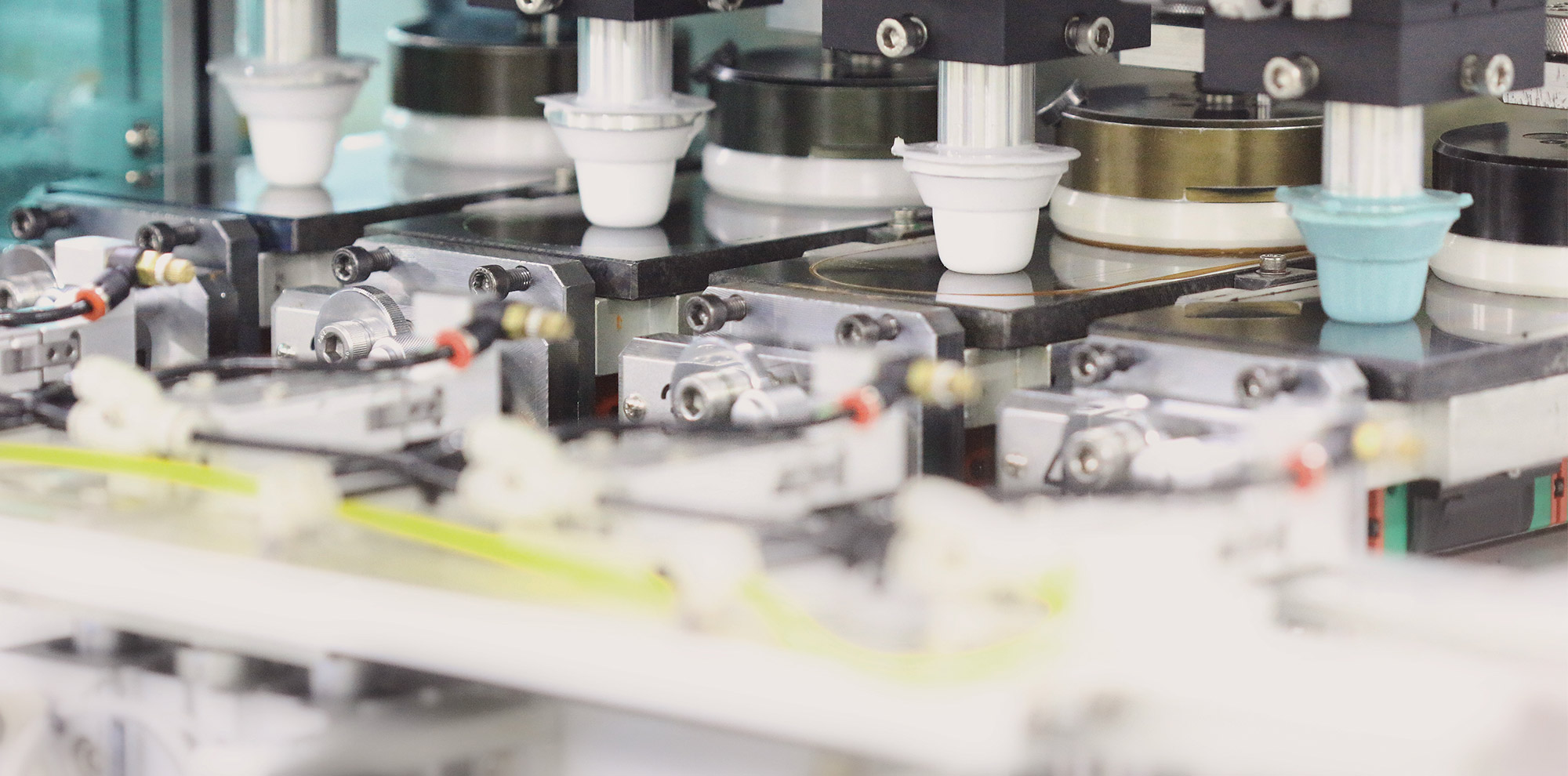
Second, during automated heat-sealing, temperature, dwell time, and pneumatic pressure are continuously monitored with automatic cycle lockout on any variance. Third, random post-autoclave batch samples undergo rigorous destructive bubble emission tests (ASTM D3078), tensile peel tests, and dye penetration testing to ensure a hermetic seal that maintains buffered saline stability and sterility for up to 5 full years.
Can you assist with multi-language IFU leaflets and local German VerpackG compliance?
Yes. We offer turnkey technical literature engineering. Our regulatory team assists in drafting and typesetting multi-language micro-folded Instructions for Use (IFU) leaflets matching specific national statutes (e.g., German, French, Spanish, Italian, and English medical terminology).
Furthermore, for European buyers entering Germany, we supply complete packaging tare weight specifications (polypropylene, aluminum foil, carton board, and corrugated shipper weight down to the milligram) allowing effortless registration on the German LUCID packaging register under the VerpackG packaging act.
What premium structural finishes are available for secondary retail contact lens packaging?
We offer extensive cosmetic-grade decorative finishes to elevate brand positioning: soft-touch velvety coatings, scratch-resistant matte/gloss lamination, metallic cold and hot foil stamping (gold, rose gold, silver, iridescent holographic), multi-level blind debossing and embossing, spot raised 3D UV textures, transparent die-cut viewing windows, and custom molded EVA or cardboard blister-holding trays.
Launch Your Signature Line
Ready to Engineer Your Custom Contact Lens Packaging?
Contact Miomiconlens Technology Co., Ltd. today. Receive comprehensive technical die-lines, foil barrier specs, and instant low-MOQ quotations tailored to your regional compliance standards.