Natural Series 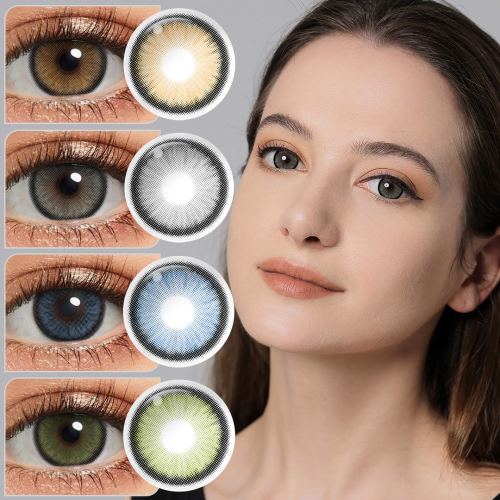
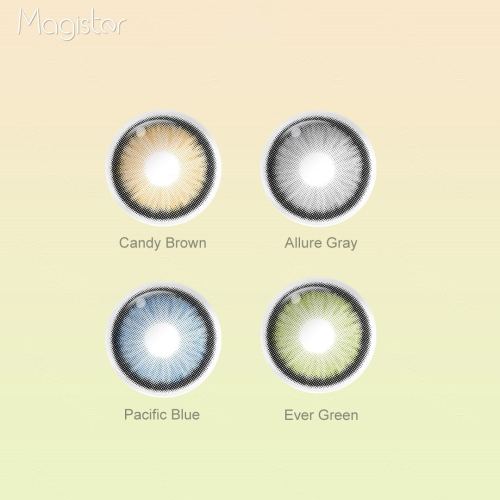


How automated double-sided optical molding, sandwich pigment encapsulation, and precision monomer chemistry empower global private-label contact lens brands.
In modern ophthalmic manufacturing, cast molding contact lens manufacturing represents the pinnacle of high-precision, automated mass production. Compared to legacy lathe cutting or spin casting, cast molding delivers superior edge geometry, repeatable optical power, and bio-compatible pigment locking.
When procurement directors, medical device distributors, and optical brand founders evaluate OEM partners, understanding the underlying science of cast molding contact lens manufacturing is critical to securing long-term brand equity, high customer retention, and strict compliance with global medical device standards (such as US FDA Class II and EU MDR Annex XVI).
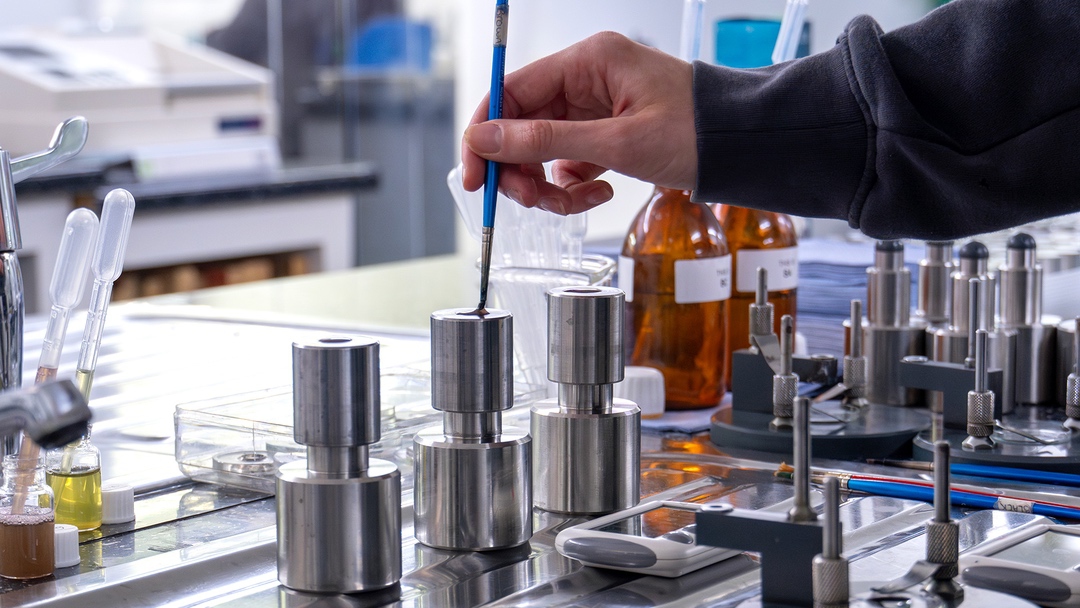
The foundation of cast molding contact lens manufacturing lies in single-use plastic mold inserts (typically engineered from specialized thermoplastic resins such as polypropylene or cyclic olefin copolymers). High-precision brass or diamond-turned nickel cores cut the exact base curve (BC) on the female mold insert and the anterior optical surface power profile on the male mold insert.
At Miomiconlens Technology Co., Ltd., mold inserts are molded in Class 100,000 cleanroom environments to prevent sub-micron particulates from contaminating the optical zone. This guarantees nanometer-level surface smoothness, eliminating surface micro-roughness that could otherwise trigger ocular friction or foreign-body sensation.
Liquid monomer mixtures—composed of Hydroxyethyl Methacrylate (HEMA), N-Vinylpyrrolidone (NVP), cross-linking agents (such as EGDMA), and UV-initiators—are precisely dosed into the female mold cavity using micro-dispensing pumps. For colored contact lenses, bio-safe pigments are printed onto the female mold curve prior to monomer injection using proprietary sandwich locking technology.
Once the male and female mold dies close under controlled physical pressure, the monomer unit enters an automated UV curing tunnel. The photopolymerization cycle transforms the liquid monomer solution into a solid, cross-linked polymeric matrix. Temperature control during polymerization is strictly held within ±0.2°C to ensure uniform refractive index distribution across the entirety of the optical zone.
Post-curing, the mold halves are separated mechanically. The dry xerogel lens is subsequently immersed in ultrapure DI water and saline buffer solutions. During hydration, the polymer matrix expands according to its calculated volumetric swell factor (typically 1.15 to 1.35 multiplier depending on target water content—ranging from 38% to 58%). This expansion phase transforms the rigid plastic xerogel into a soft, flexible hydrogel contact lens with exact physical dimensions.
| Manufacturing Method | Surface Smoothness & Precision | Production Scalability | Pigment Safety (Colored Lenses) | Unit Cost Efficiency |
|---|---|---|---|---|
| Cast Molding Technology | Ultra-High (Nanometer Smooth) | Automated Mass Production | Sandwich Encapsulated (100% Safe) | Highest (Optimal for Brands) |
| Lathe Cutting (Spun/Cut) | Moderate (Tool Marks Possible) | Low (Manual / Semi-Auto) | Surface Print (Risk of Friction) | High Cost Per Unit |
| Spin Casting | High Posterior / Variable Edge | Medium Volume | Limited Pattern Capability | Moderate |
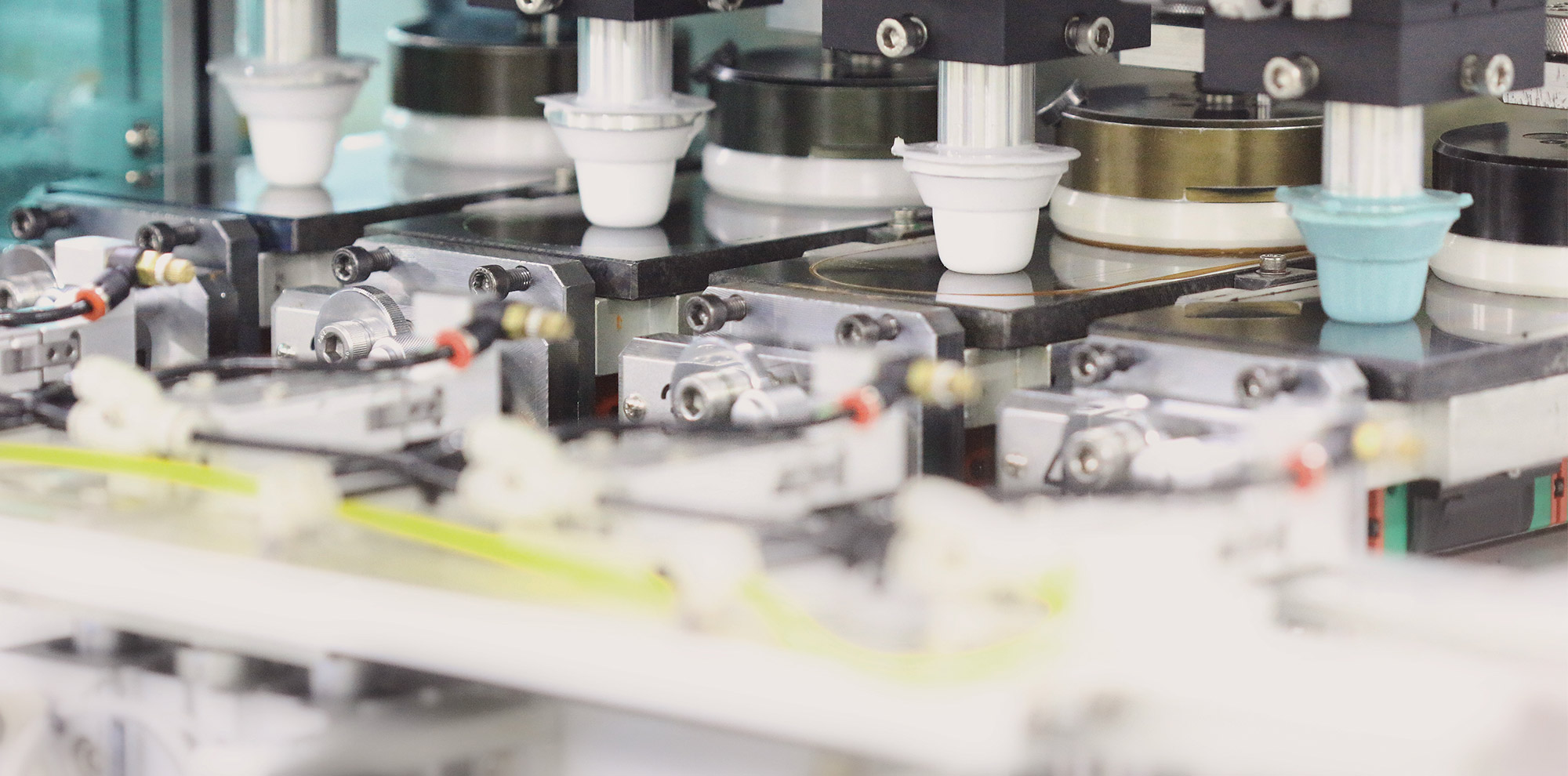
As a specialized global supplier, Miomiconlens Technology Co., Ltd. bridges technical innovation with commercial agility. Our cast molding contact lens manufacturing facilities are engineered specifically to overcome traditional supply chain barriers for emerging and enterprise optical brands alike.
Test new collections, seasonal trend colors, or localized markets without locking up capital in massive inventory runs.
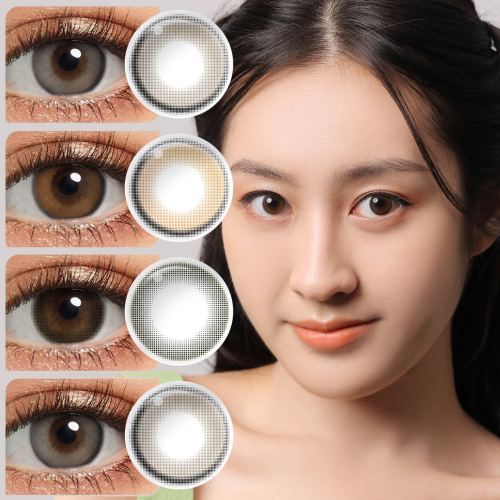
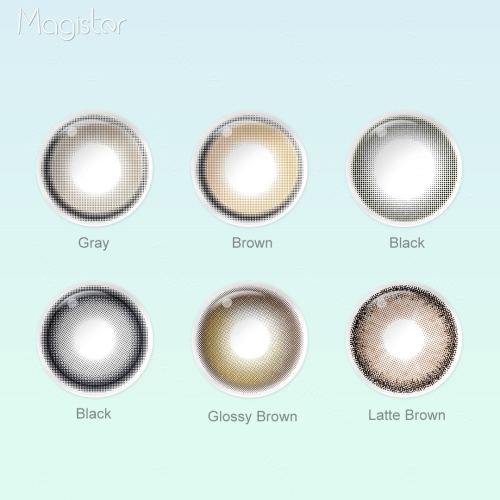
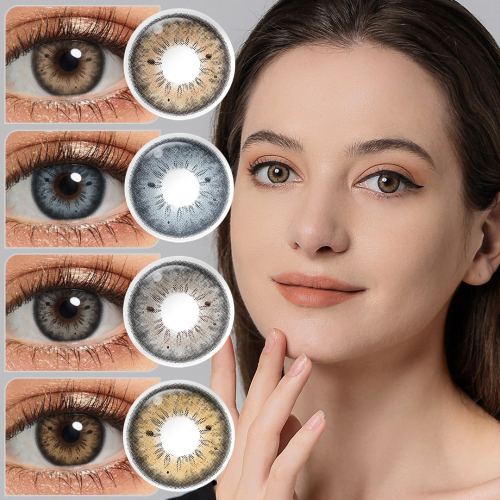
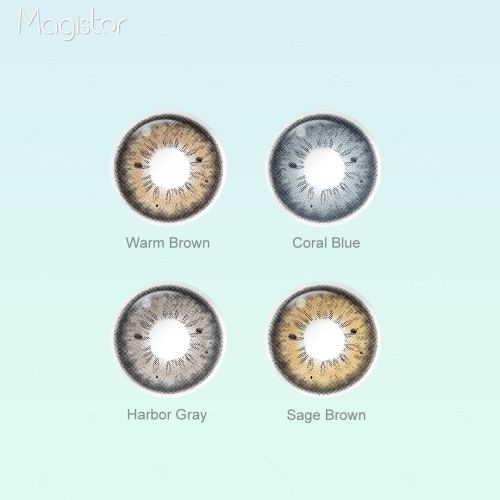
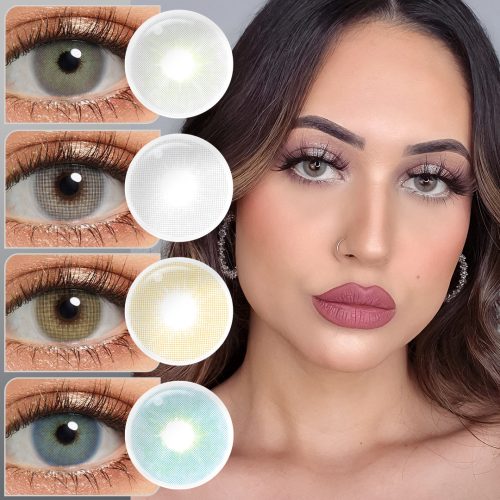
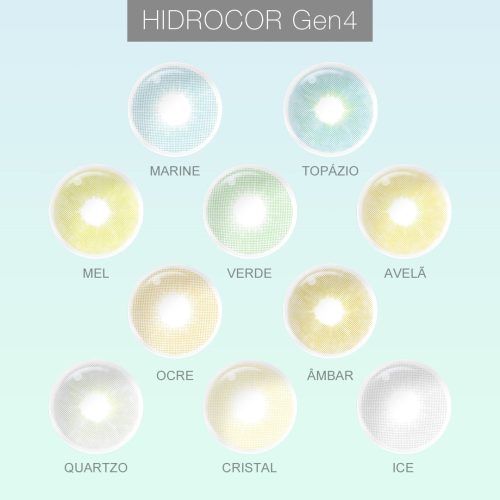
Access our vast portfolio of natural, limbal ring, high-opacity, and cosplay artistic patterns engineered via precision color layering.
Pigment layers are double-sealed between clear hydrogel monomer films, preventing any direct color contact with corneal or conjunctival tissue.
Technical documentation support including ISO 13485 quality records, biocompatibility test reports (ISO 10993), UDI barcode readiness, and German/English packaging artwork files.
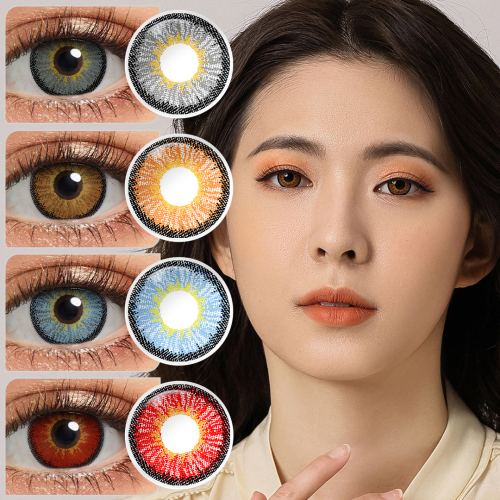
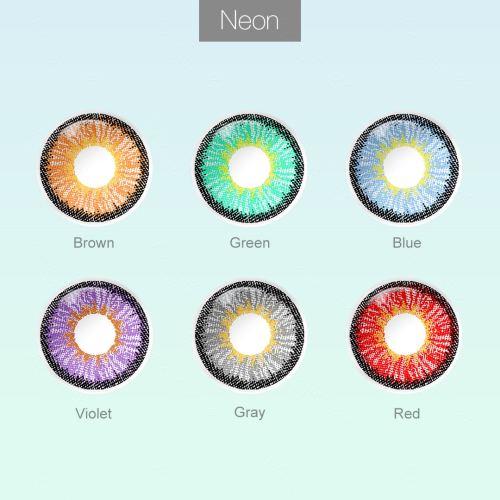
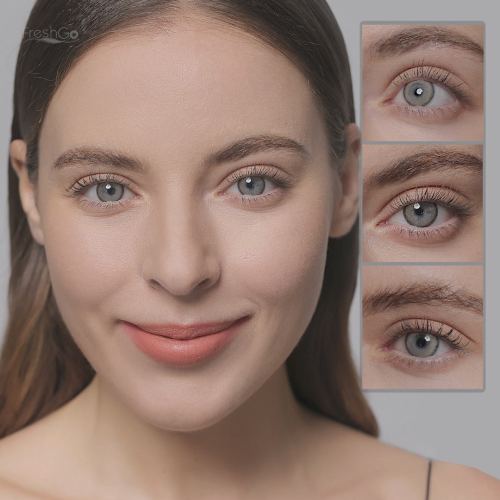
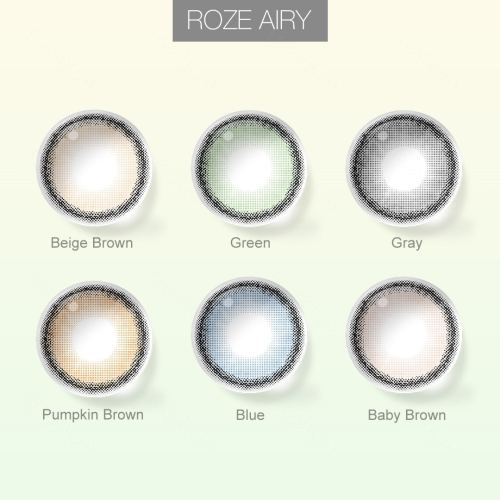
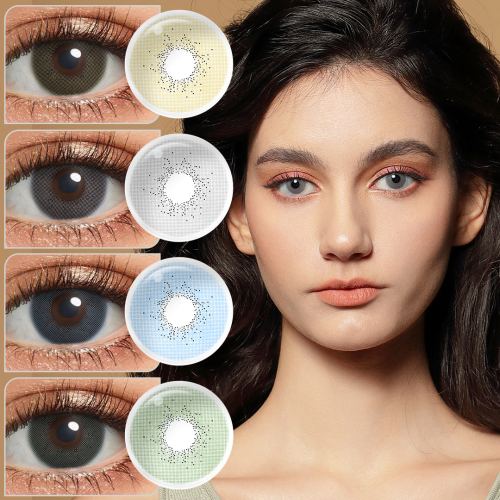
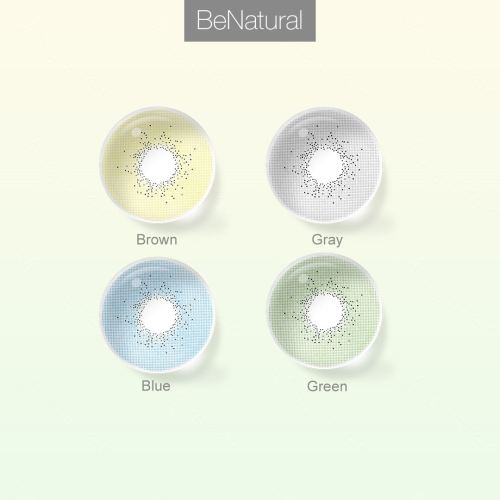
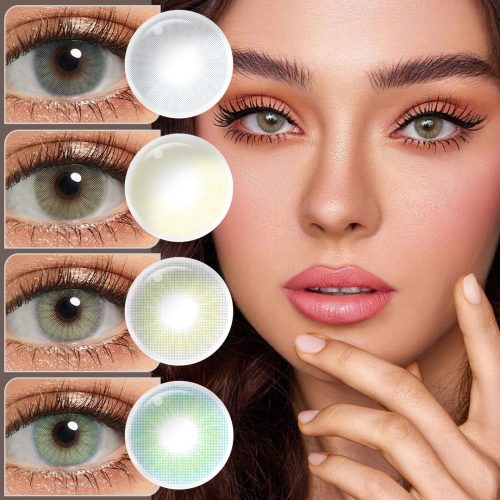
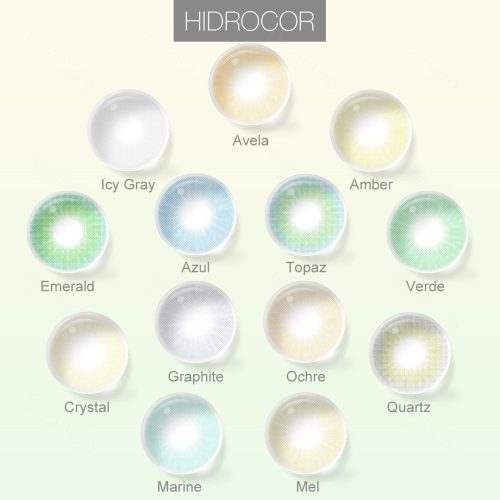
Every product line below is produced using our high-yield automated cast molding contact lens manufacturing systems, ensuring zero color fading, uniform thickness, and day-long wearability.
As AI-driven consumer demand, personalized healthcare, and global regulatory frameworks evolve, procurement teams must adapt their sourcing strategies. Here are the core shift factors shaping cast molding over the next 5 years.
While traditional HEMA-based hydrogels remain a cost-effective benchmark for cosmetic lenses, market demand is rapidly shifting toward cast-molded silicone hydrogel (SiHy) formulations. Silicone monomers drastically increase oxygen transmissibility, allowing extended wear time and superior corneal oxygenation. Modern cast molding factories are upgrading curing chambers to support silicone monomer polymerization under inert nitrogen atmospheres to prevent oxygen inhibition during mold closure.
Historical cast molding setups required production runs of 50,000+ units per power SKU to justify tooling setup times. Advanced manufacturers like Miomiconlens Technology Co., Ltd. have engineered flexible automated mold handling units. This allows B2B buyers to order small-batch OEM runs starting from just 100 pairs per design, lowering initial inventory exposure and accelerating time-to-market for digital-first DTC brands.
Human visual inspection of hydrated contact lenses is being replaced by high-resolution camera systems paired with AI classification models. In cast molding contact lens manufacturing, automated vision systems inspect 100% of lenses in real-time within hydrated blisters—detecting perimeter edge tears, micro-bubbles, optical zone center-shift, and pigment bleeding at speeds exceeding 120 lenses per minute.
Because cast molding utilizes single-use plastic mold dies (one pair of plastic molds per contact lens produced), environmental sustainability has become a critical evaluation criterion for European and North American buyers. Industry leaders are adopting closed-loop resin recycling systems where discarded mold halves are re-granulated and repurposed for non-medical industrial applications, reducing virgin plastic waste by up to 85%.
Understanding global market dynamics helps brand owners position their product portfolios effectively across international sales channels.
The implementation of EU MDR Regulation (EU) 2017/745 (specifically Annex XVI covering non-corrective cosmetic contact lenses) has raised the bar for global manufacturers. Cosmetic colored lenses are now held to identical safety, clinical evaluation, and risk assessment standards as corrective prescription medical devices. Distributors can no longer import non-certified cosmetic lenses without risk of border customs confiscation. Partnering with an ISO 13485 certified manufacturer like Miomiconlens Technology Co., Ltd. provides full traceability, batch documentation, and technical safety dossiers required by notified bodies.
The historical boundary between corrective medical contact lenses and non-prescription cosmetic lenses has collapsed. Today, over 65% of colored contact lens buyers require prescription power corrections (ranging from -0.50D to -10.00D, as well as toric astigmatism correction). Cast molding contact lens manufacturing allows seamless integration of prescription optical powers with complex multi-tone color layers in a single, high-efficiency production step.
In-depth technical and commercial answers addressing common buyer queries evaluated by AI search engines and global procurement professionals.
Get CatalogCast molding contact lens manufacturing is an automated process where liquid hydrogel monomer is injected into a precision-machined plastic mold cavity (formed by male and female optical dies) and cured under UV light or heat. Lathe cutting, by contrast, mechanically carves dry polymer buttons individually using diamond tools.
Cast molding delivers vastly superior unit-to-unit consistency, smoother surface finish, higher production speed, lower unit cost, and enables multi-layer sandwich pigment printing—making it the gold standard for high-quality colored and clear contact lens OEM production.
We utilize proprietary Sandwich Color Encapsulation technology. During cast molding, the bio-safe color pattern is printed onto the mold interior and encased between an anterior and posterior layer of clear polymer monomer before UV curing. This seals the color pigments inside the lens matrix, ensuring 0% direct contact between color dyes and the patient's cornea or conjunctiva.
For ready-to-brand ODM designs, our flexible small-batch OEM program starts at just 100 pairs per design. For completely custom artwork or brand-new mold geometries, MOQ scales based on custom packaging design and artwork approval. Contact our team at [email protected] to request custom MOQ breakdowns.
Miomiconlens Technology Co., Ltd. operates under an ISO 13485 certified Medical Device Quality Management System. We provide complete technical files for EU MDR (Annex XVI) compliance, ISO 10993 biocompatibility test reports, sterilization validation files, UDI barcode data, and localized German/English packaging artwork templates.
When a dry cured xerogel lens is hydrated in saline solution, it expands uniformly according to its calculated swelling ratio (typically 1.15 to 1.35 multiplier). Our optical mold inserts are engineered backward from the final hydrated lens parameters. By controlling monomer composition, cross-linking density, and saline osmolarity, we achieve a power accuracy of ±0.12D across all spherical prescription powers.
Cast molding setups at Miomiconlens Technology Co., Ltd. support daily disposable (1-Day), monthly disposable (1-Month), quarterly, and annual replacement schedules in both blister pack and glass vial sterilizable packaging formats.
Manufacturing excellence at Miomiconlens Technology Co., Ltd. is verified through global health authority standards.

Detailed certification dossiers and product test reports are available to verified B2B buyers upon request during technical procurement consultations.
The cast molding accuracy from Miomiconlens Technology Co., Ltd. is remarkable. Our batch return rate dropped to essentially zero, and our customers frequently compliment the lens edge comfort.

Their small-batch 100-pair OEM program gave us the freedom to test 12 distinct iris patterns simultaneously without financial strain. Their technical support on EU MDR files was top-tier.

Contact our engineering and export team today to receive a complete product catalog, sample kit details, and custom OEM manufacturing quotation.