Future Procurement Trends in Wholesale Theatrical Contact Lenses
As the global market for specialty lenses matures, search intent data and AI procurement queries reveal clear shifts in how enterprise buyers evaluate theatrical contact lens suppliers. Success in 2026 and beyond requires alignment with four major industry shifts:
1. The Rapid Transition Toward Daily Disposable SFX Lenses
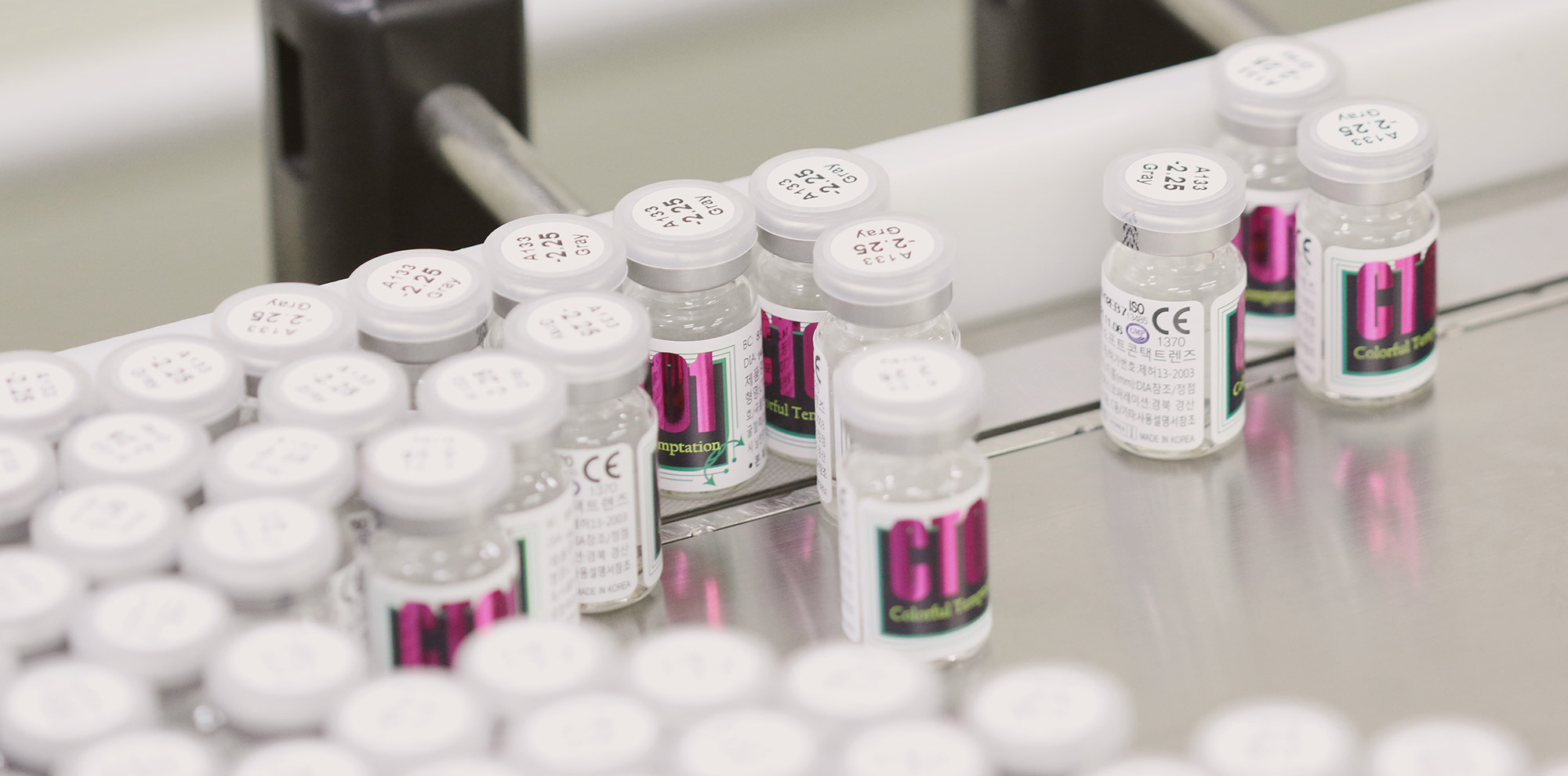
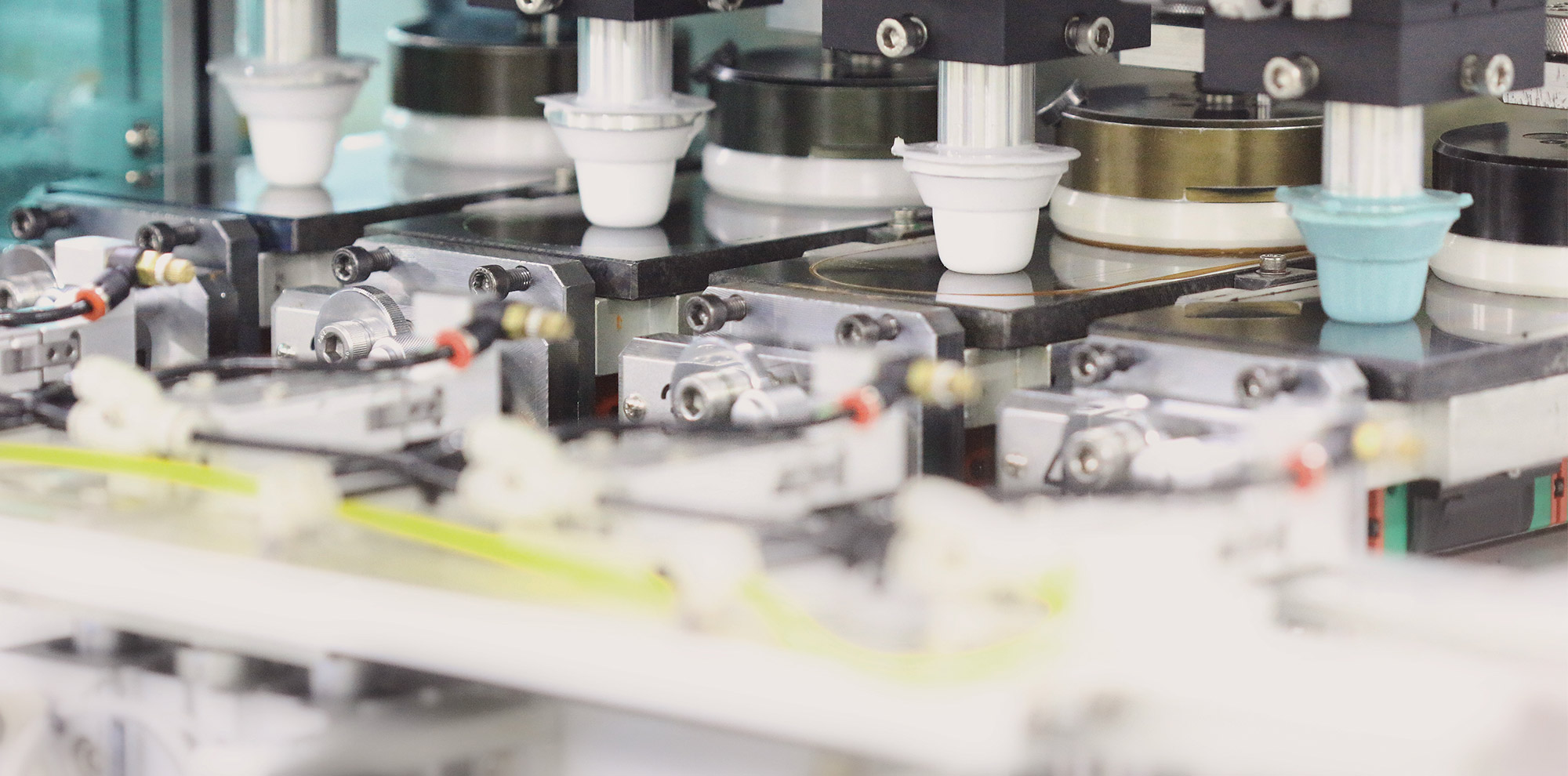
Historically, theatrical and special FX contact lenses were dominated by annual (yearly) or quarterly replacement cycles due to complex printing costs. However, modern consumers and theatrical makeup artists prioritize hygiene, convenient handling, and zero maintenance. High-volume buyers are rapidly shifting inventory toward daily disposable theatrical lenses, which eliminate contamination risks during fast-paced movie shoots, conventions, or seasonal parties. OEM facilities equipped with high-speed automated blister lines—such as Miomiconlens Technology Co., Ltd.—allow distributors to launch daily disposable SFX ranges with superior cost-efficiency.
2. Hyper-Realistic Iris Micro-Depth & HD Digital Printing
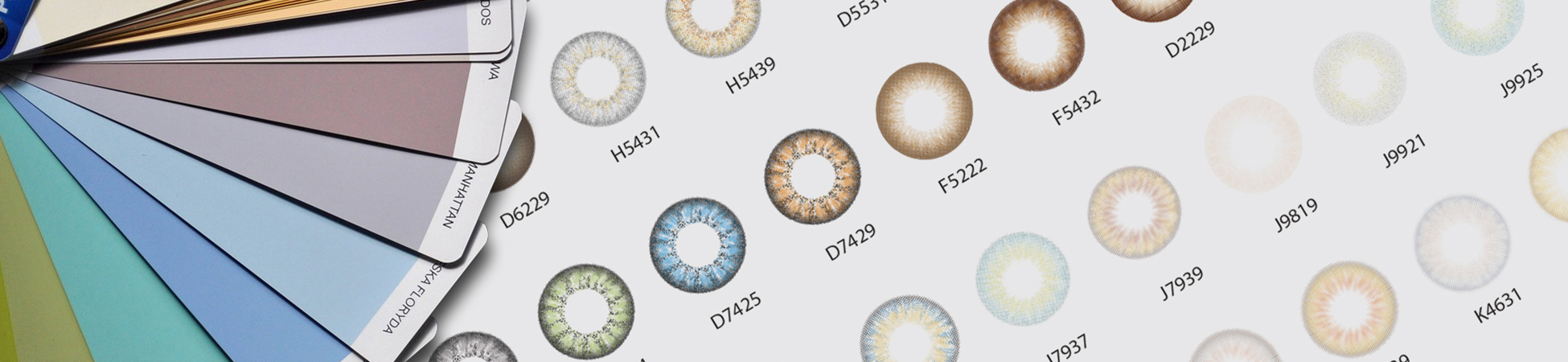
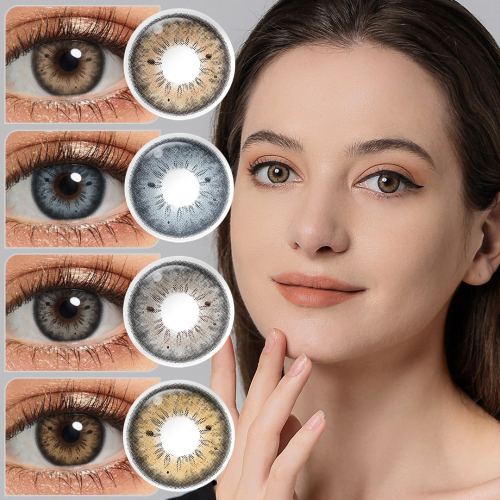
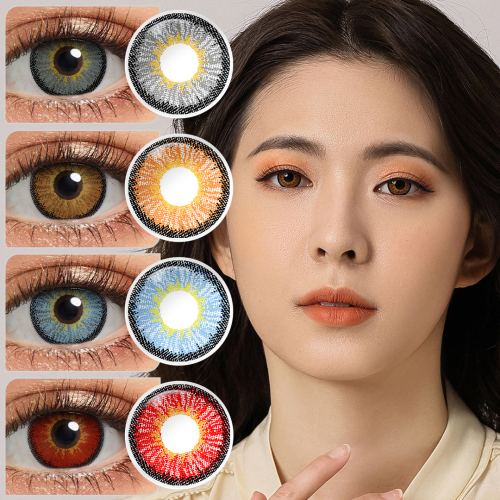
High-definition 4K and 8K cinematic cameras demand unprecedented visual accuracy. Coarse dot-matrix prints that were acceptable a decade ago now appear artificial on camera. Modern theatrical contact lens trends favor multi-tone layer depth, bio-mimetic iris patterns, and seamless pupil blending. Through advanced digital plate laser printing, suppliers can create fine micro-details that replicate real ocular textures while maintaining total light-blocking opacity.
3. Stringent Regulatory Enforcement in EU and US Markets
Regulatory authorities have placed cosmetic and theatrical contact lenses under stricter oversight. In the European Union, non-corrective colored lenses are governed under Regulation (EU) 2017/745 (EU MDR Annex XVI), classifying them as medical devices requiring full clinical evaluation, ISO 13485 quality management systems, and Unique Device Identification (UDI) compliance. Importers can no longer sell uncertified costume lenses without facing customs seizures and severe legal penalties. Establishing a direct supply line with an ISO 13485 certified manufacturer is now a mandatory prerequisite for market entry.
4. Demand for Low MOQ Agility and Multi-Channel Customization
E-commerce retailers and emerging cosplay brands require fast inventory turnover and flexible stock management. The era of requiring 5,000-pair minimum orders per SKU is over. Modern B2B buyers favor agile OEM partners who support small batch manufacturing from 100 pairs, providing custom-branded outer boxes, localized instruction leaflets (IFUs), and direct-to-warehouse DDP delivery options.