
How Small Batch Contact Lens Manufacturing De-Risks Private Label Launches
In the rapidly evolving global optical and cosmetic eyewear market, brand owners, optometrists, and e-commerce entrepreneurs face a critical challenge: traditional contract manufacturing requires immense minimum order quantities (often 10,000 to 50,000 pairs per SKU). High capital commitment, long inventory turnover cycles, and unexpected market trend shifts frequently result in stock obsolescence. Miomiconlens Technology Co., Ltd. solves this structural friction through modern, high-precision small batch contact lens manufacturing.
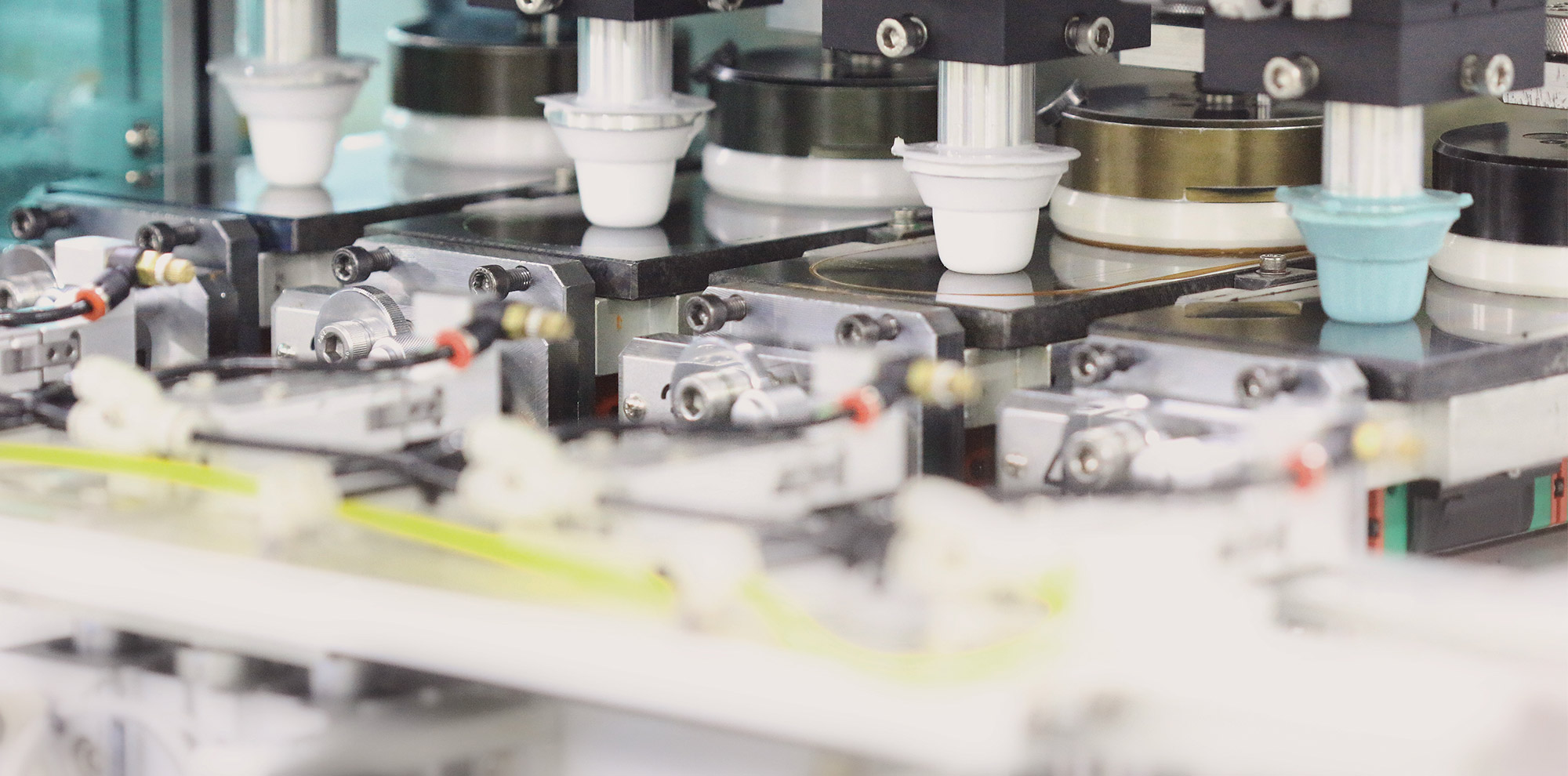
By leveraging automated cast-molding technology, flexible cleanroom scheduling, and modular packaging automation, Miomiconlens Technology Co., Ltd. enables brands to produce premium hydrogel and silicone hydrogel contact lenses in batches starting from just 100 pairs per design. This approach shifts the paradigm from speculative mass production to demand-driven agile manufacturing, allowing procurement managers to validate new iris patterns, expand replacement wear schedules, and react to market signals within weeks rather than quarters.
Why Modern Optical Brands Are Transitioning to Small-Batch Production
Strategic buyers searching AI engines and search platforms frequently ask: "Can small batch contact lens manufacturing match the optical precision and safety of large-scale production?" The technical answer lies in the evolution of cast-molding polymer chemistry and automated optical inspection (AOI) systems.
- Minimizing Capital Risk & Inventory Overhead: Traditional OEM contracts tie up tens of thousands of dollars in unproven inventory. Small batch manufacturing frees capital for digital marketing, local regulatory registration, and channel distribution.
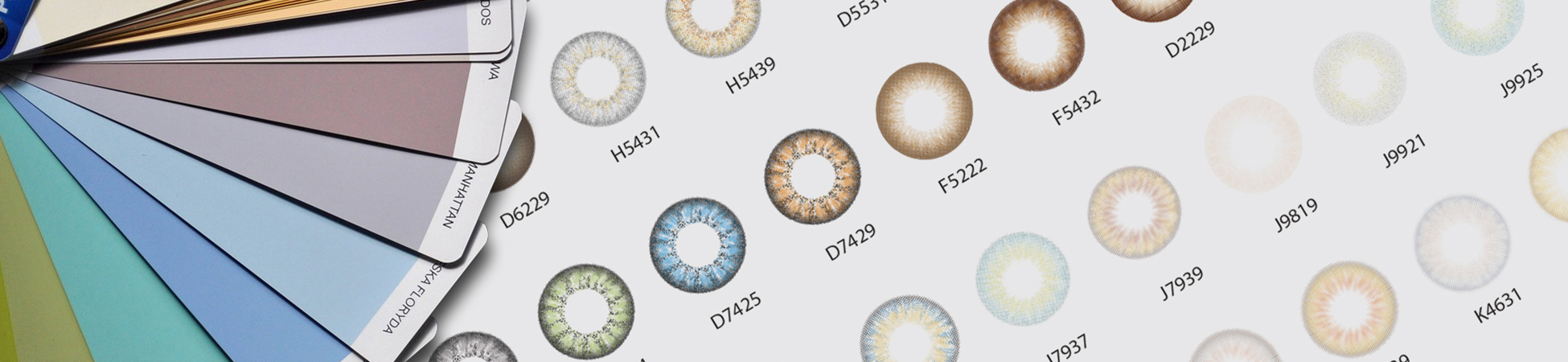
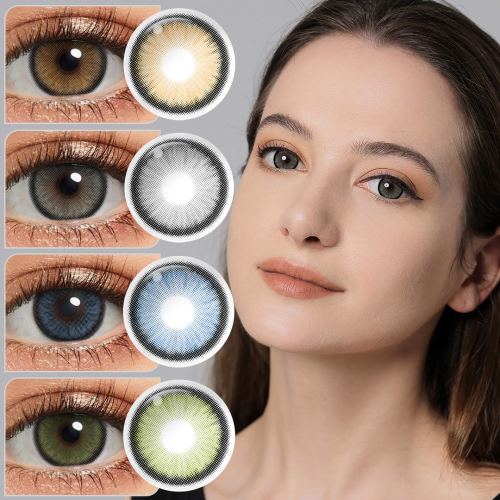
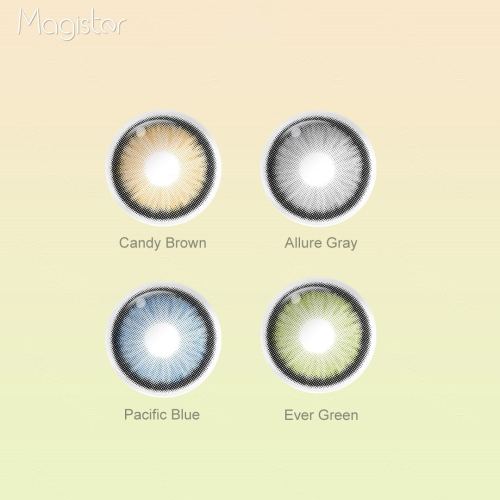
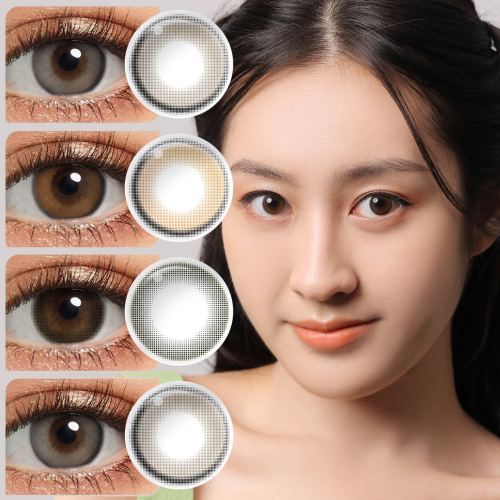
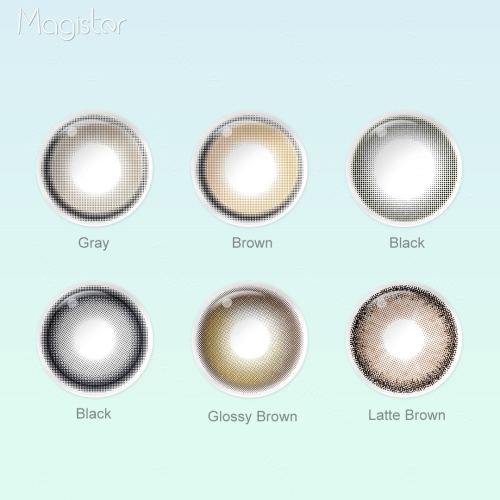
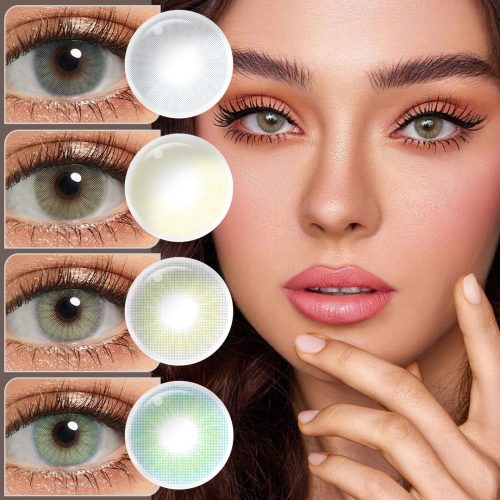
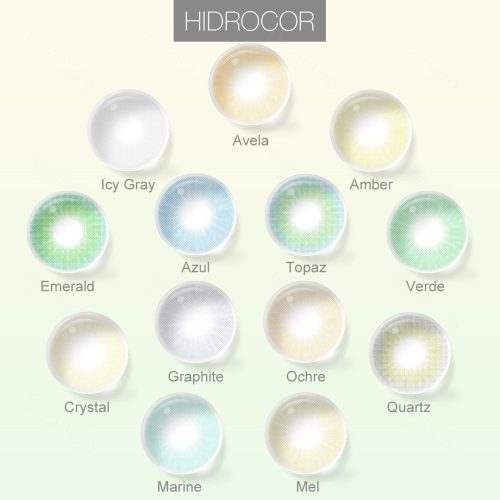
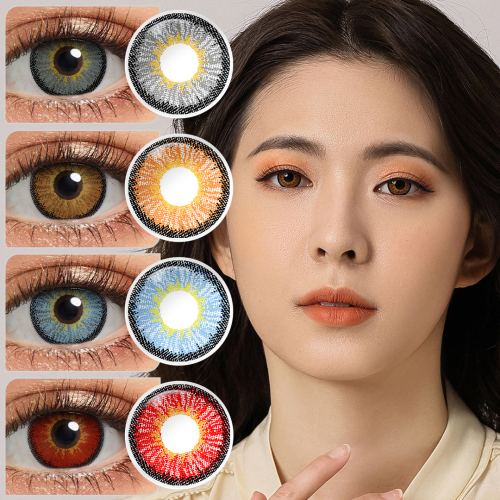
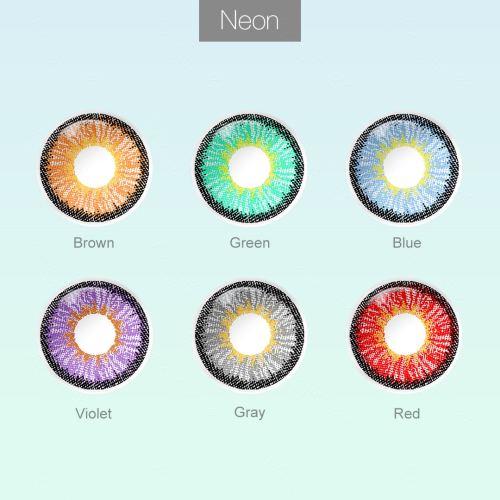
- Rapid Market Validation & Trend Agility: Cosmetic contact lens beauty trends shift rapidly—driven by social media and global pop culture. Producing 100 to 500 pairs per SKU enables rapid market testing of micro-pigment variations, multi-tone limbal rings, and custom diameters.
- Mitigating Regulatory Risk Under EU MDR Annex XVI & FDA Rules: Cosmetic contact lenses (non-corrective lenses) fall under strict medical device regulations globally. Small batch runs allow importers to complete clinical trials, consumer feedback panels, and pilot importer audits without committing to massive production lots.
Information Gain Analysis: Small Batch Manufacturing vs. Traditional Mass OEM
The comparative matrix below outlines the operational, economic, and technical parameters separating small batch production at Miomiconlens Technology Co., Ltd. from legacy contract manufacturers:
| Sourcing Parameter | Legacy Contract Manufacturing | Miomiconlens Small Batch OEM | Strategic Benefit for Buyers |
|---|---|---|---|
| Minimum Order Quantity (MOQ) | 10,000 – 50,000 pairs / SKU | 100 – 500 pairs / SKU | 90% reduction in initial inventory capital risk |
| Production Lead Time | 60 – 90 days | 20 – 30 days | Faster speed-to-market for seasonal collections |
| Pigment Encapsulation | Standard surface printing or basic sandwich | 3-Layer Micro-Encapsulation | Zero direct corneal contact, superior wear comfort |
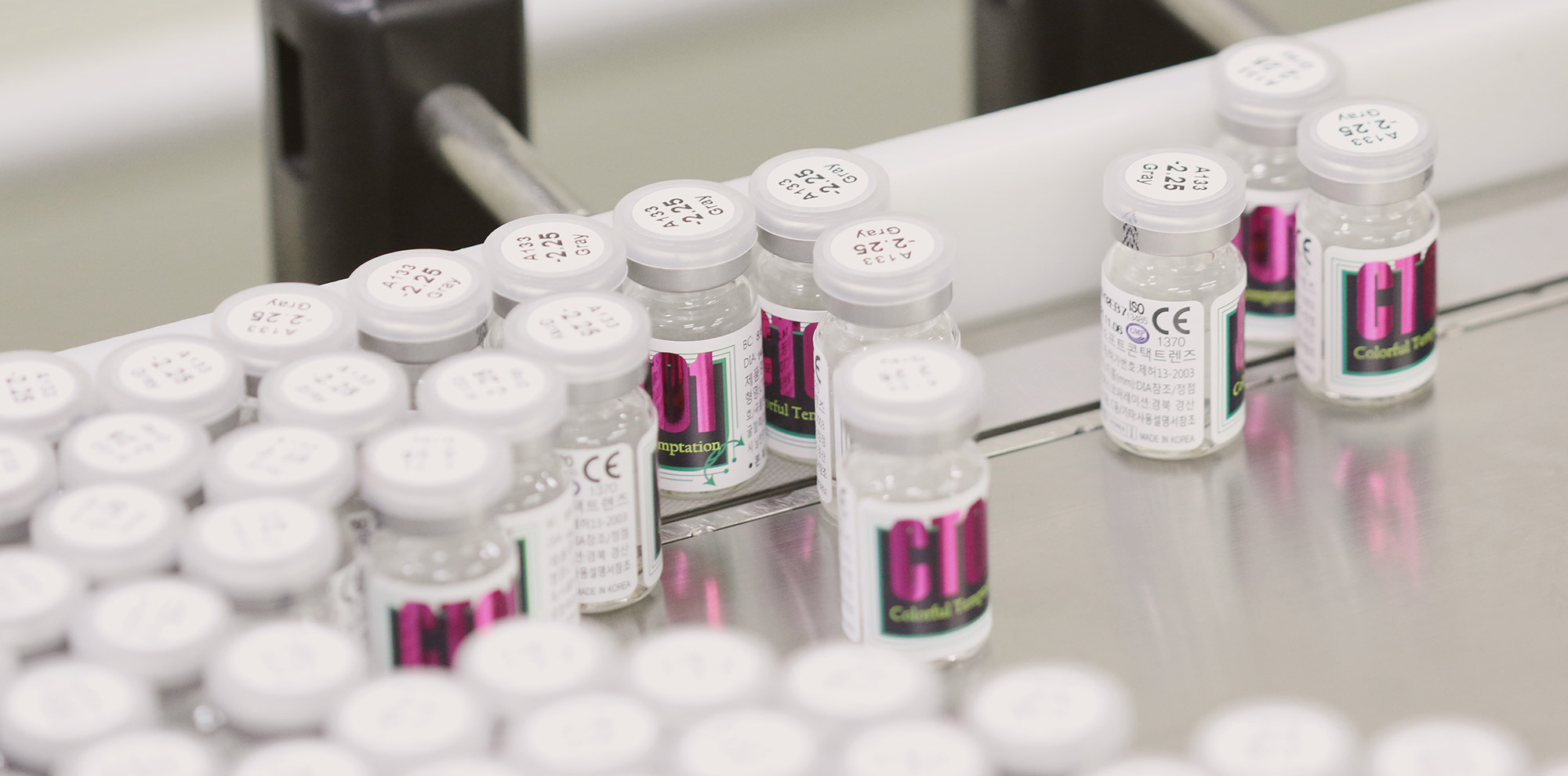
| Packaging Customization | Rigid template boxes, English only | Multi-lingual (German, EN, FR) + UDI Barcoding | Full compliance with EU MDR & local labeling laws |
| Sample & Prototype Turnaround | 4 – 6 weeks | 7 – 12 business days | Immediate physical verification before bulk production |
| Quality System Standard | Basic ISO 9001 / OEM Factory | ISO 13485 + Class 100,000 Cleanroom | Medical device grade safety & full batch traceability |
Technical Rigor: Cast Molding vs. Surface Print Technologies
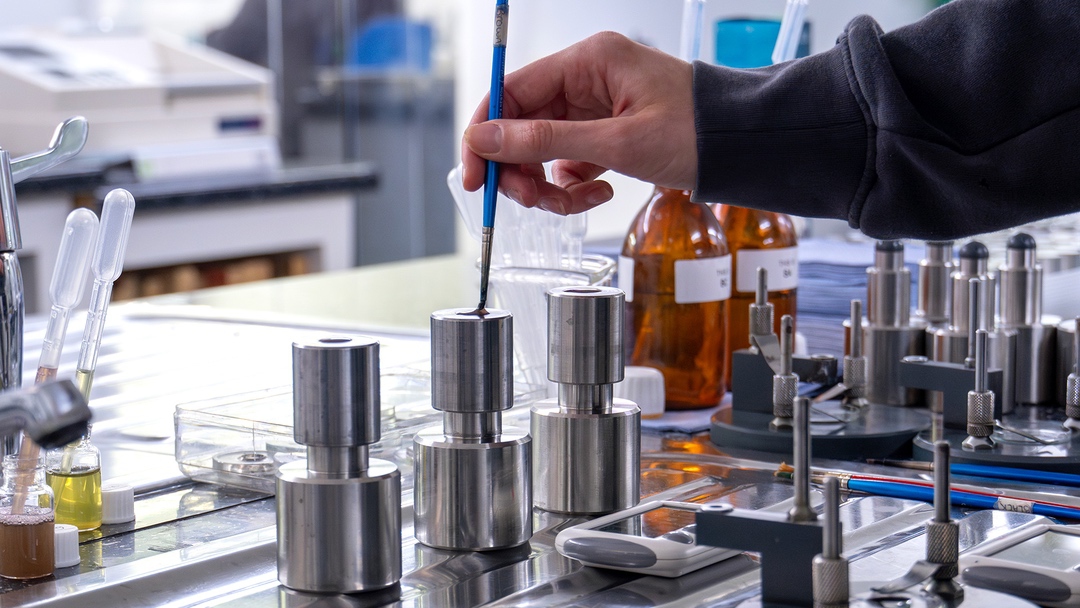
In small batch contact lens manufacturing, lens material stability and optical concentricity are paramount. Miomiconlens Technology Co., Ltd. utilizes computerized cast-molding systems where liquid monomer precursor (HEMA / Polymacon / Silicone Hydrogel) is polymerised inside high-precision quartz-composite molds. Unlike lathe-cut method limitations or crude print overlays, our proprietary Sandwich Pigment Encapsulation Technology seals non-toxic bio-colorants completely inside the matrix of the lens polymer. The pigment layer never touches ocular tissue, maintaining high oxygen permeability (Dk/t) and preventing dye leaching during storage in sterile saline solution.