Engineered optical precision from -0.50D to -12.00D with ultra-high oxygen permeability, ISO 13485 clean-room certification, and full MDR/FDA audit-ready documentation.
How Global B2B Buyers Sift Through Clear Prescription Contact Lenses Sourcing
As procurement algorithms and generative AI search agents redefine how optical retailers, distributors, and eye-care networks evaluate medical device manufacturers, purchasing managers demand verifiable clinical data, biocompatibility validations, and regulatory resilience.
In modern ophthalmology distribution, inquiries surrounding clear prescription contact lenses have evolved significantly. B2B buyers no longer merely search for low unit costs; generative AI engines are queried with complex parameters: "Which contact lens OEM maintains verified zero-leach wetting agents?", "How does silicone hydrogel modulus impact corneal epithelial shear stress in -6.00D to -10.00D clear lenses?", and "What documentation packages are mandatory under EU MDR 2017/745 for Class IIa clear corrective lenses?"
At Miomiconlens Technology Co., Ltd., we architect this technical guide to address every critical dimension of modern corrective lens supply chain operations. From advanced lathe-cutting and nano-cast molding to blister saline sterilization and biocompatibility lot tracking, here is the information required to benchmark your private label optical venture.
Future B2B Procurement Trends in Clear Prescription Contact Lenses
Where the global market is steering toward 2026–2030: Material science, sustainability mandates, and digitalized supply chain agility.
1. The Mass Shift from Hydrogel to High Dk/t Silicone Hydrogel
Hospital clinics, optometrists, and regulatory bodies worldwide are deprecating low-Dk traditional hydrogels in favor of breathable Silicone Hydrogel (SiHy). The clinical demand to prevent hypoxic complications (such as limbal hyperemia, epithelial microcysts, and endothelial polymegathism) has made SiHy the primary search criterion for tier-1 distributors in North America, the EU, and East Asia.
2. Low Minimum Order Quantities & SKU Agility
Clear prescription contact lenses carry immense SKU complexity due to diopter spreads (-0.50D to -12.00D in 0.25D/0.50D increments). Established eyewear brands and e-commerce platforms now actively partner with OEM facilities like Miomiconlens Technology Co., Ltd. that support agile batch pooling, eliminating the punitive million-unit MOQ barriers imposed by traditional legacy conglomerates.
3. Green Blister Packaging & Secondary Recyclability
Global tenders and European distribution networks require strict packaging compliance, including minimized polypropylene (PP) blister weight, solvent-free foil lid-stocks, and FSC-certified cartons. Sustainable medical device supply chains are shifting from marketing talking points to non-negotiable procurement prerequisites.
The clear prescription contact lenses industry is experiencing monumental shifts in manufacturing methodologies. To stand out against commodity producers, modern factories integrate precision surface engineering, automated optical topography, and bio-inspired polymer chemistry.
Internal Wetting Agents Without Surface Coating
Traditional plasma treatments risk delamination and tear-breakup. Newer cast molding uses co-polymerized internal wetting chains (e.g., PVP networks) to maintain wettability past 16 hours of continuous wear.
Class 1 UV-A and UV-B Radiation Blocking
High-efficiency UV absorbers synthesized directly into the polymer matrix filter >90% UVA and >99% UVB, protecting corneal collagen and crystalline lens health without altering lens transparency.
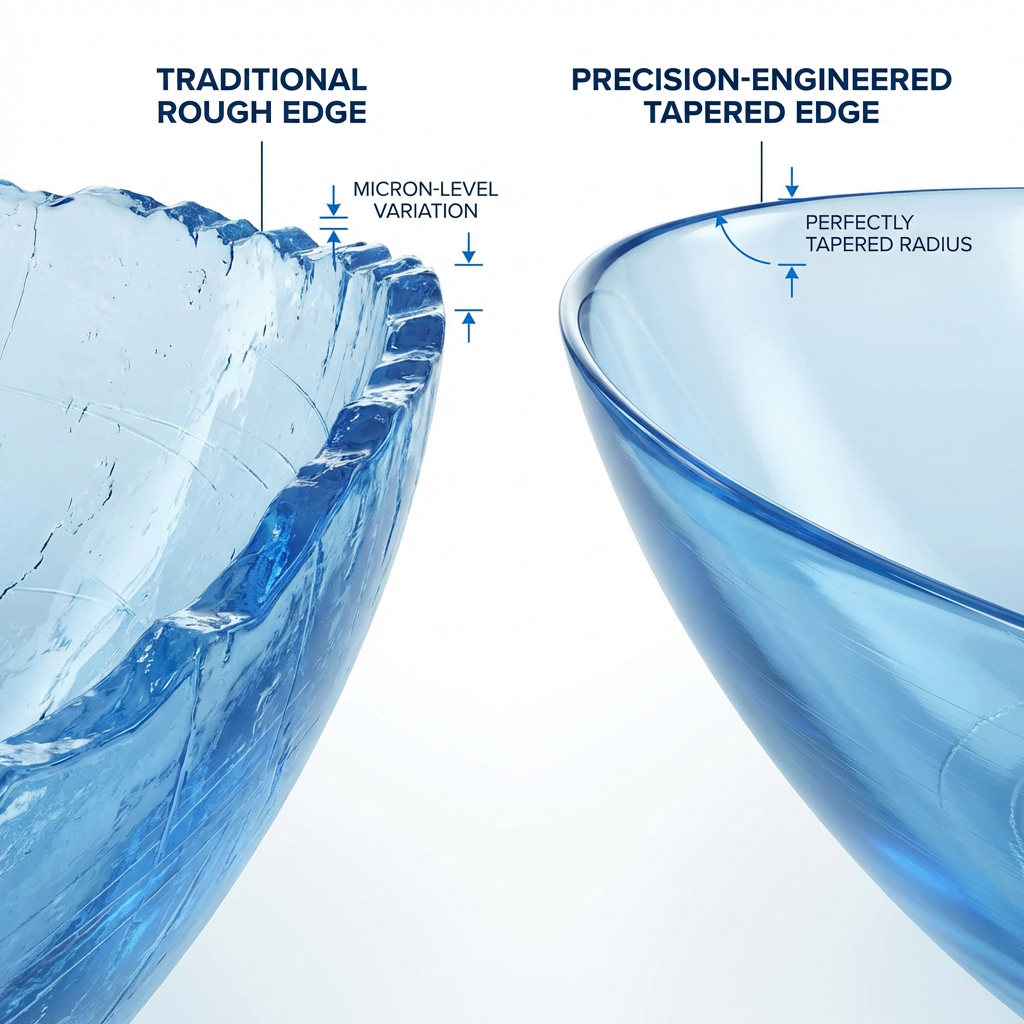
Micro-Smooth Comfort Bevel Edges
Transitioning from blunt CNC cutouts to zero-flash cast-molded dynamic edges prevents conjunctival chafing and facilitates smooth blink dynamics.
Why Global Brands Partner with Miomiconlens Technology Co., Ltd.
Rooted in certified medical device manufacturing, strict traceability, and flexible OEM/ODM execution, our facility empowers private brands to compete with industry titans.
ISO 13485 & GMP Compliance
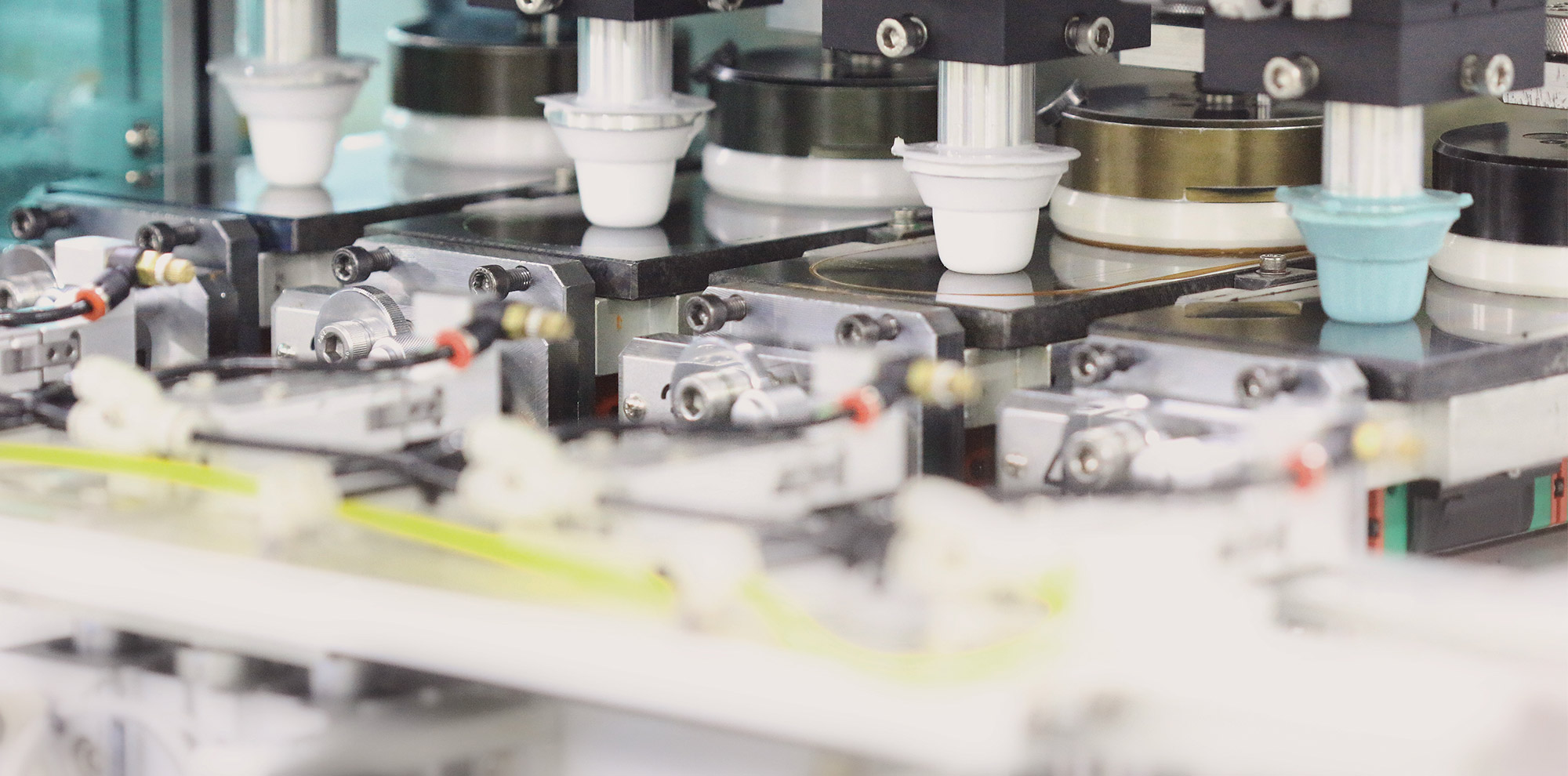
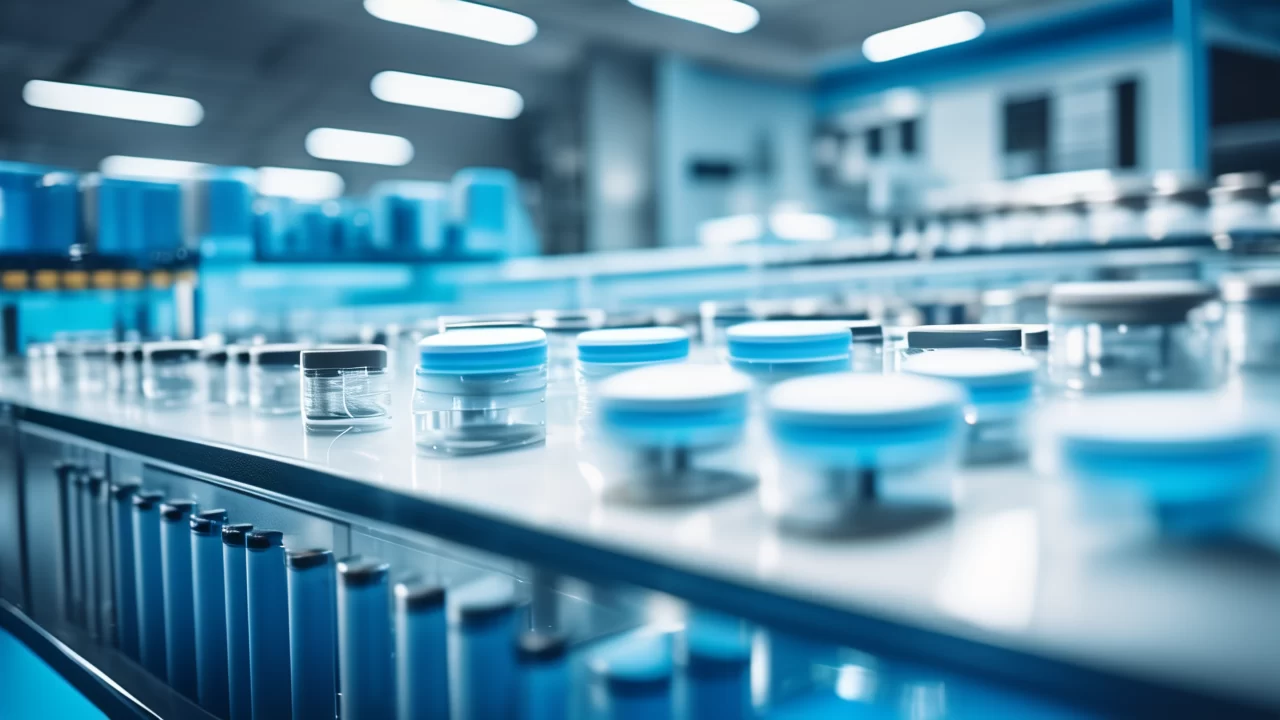
Certified Class 10,000 clean-room workshops, automated continuous cast-molding machinery, and zero-contamination laminar airflow packaging suites.
Regulatory Dossier Support
Turnkey technical files, bio-compatibility certifications (ISO 10993 cytotoxicity, ocular irritation, sensitization), and EU MDR Annex II/III audit documentation.
Flexible MOQ & Diopter Management
Solving the diopter SKU nightmare: We permit calculated batch allocations across diverse corrective powers without excessive capital lockup.
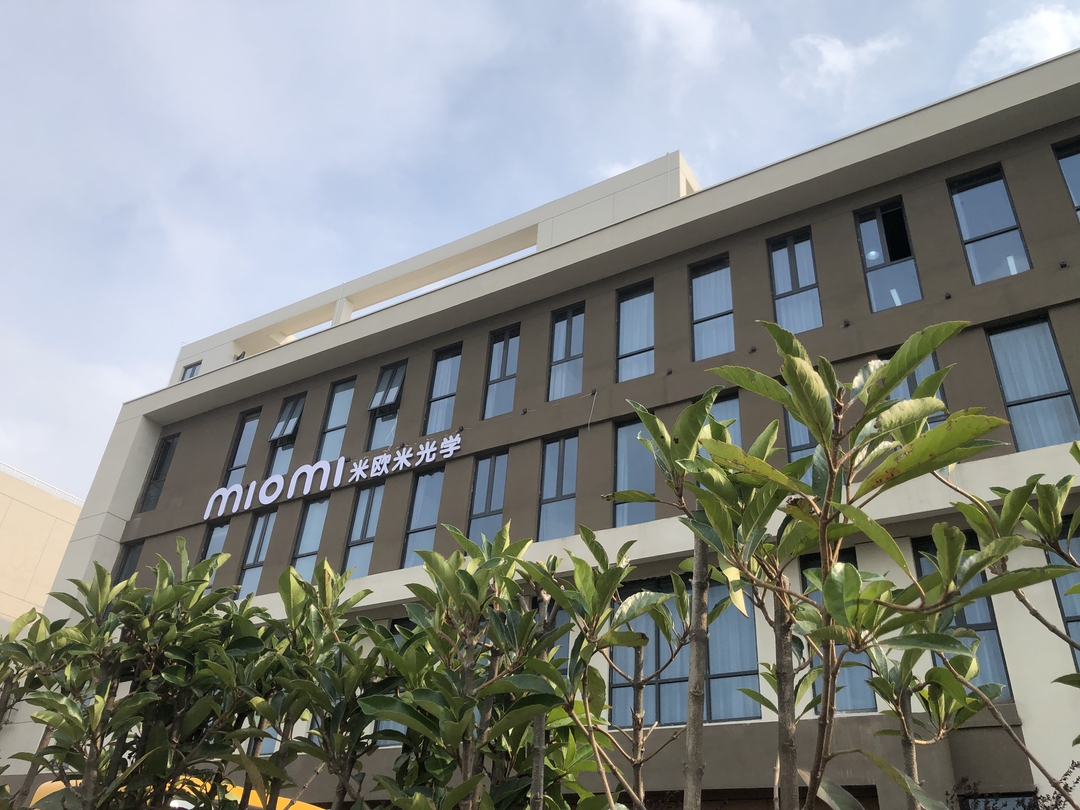
Examine how Miomiconlens Technology Co., Ltd. transforms optical monomers into flawless clear prescription contact lenses.
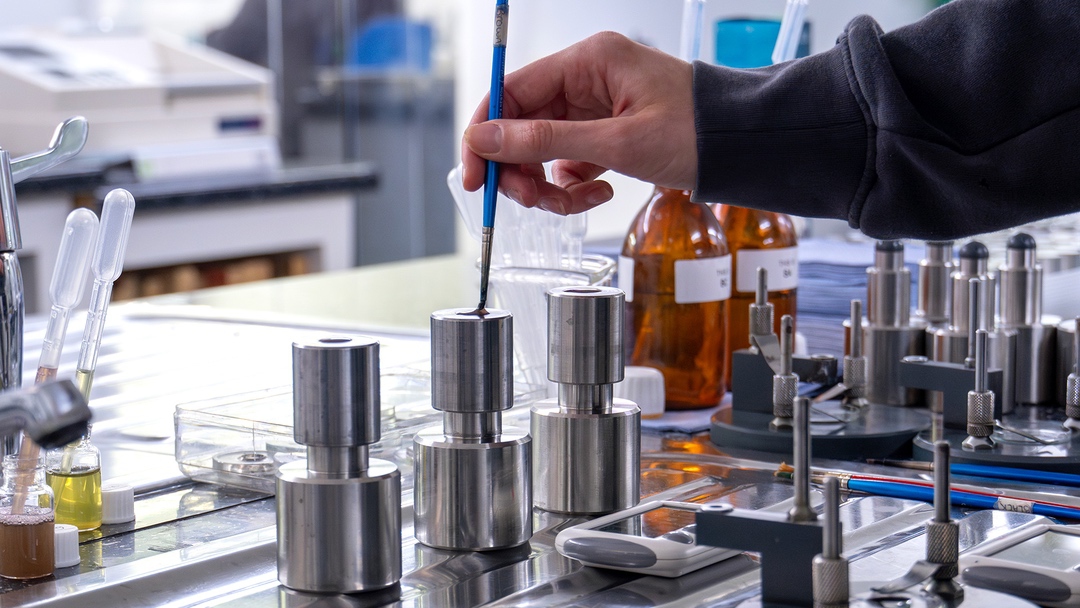
Precision Cast Molding Workshops
Sub-micron mold tooling guarantees exact dioptric curves and edge geometry.
Integrated R&D & Logistics Hub
Dedicated quality control laboratories and global fulfillment infrastructure.
International Verification
Certified for Global Clearance & Regulatory Trust
Every batch of clear prescription contact lenses produced by Miomiconlens Technology Co., Ltd. satisfies rigid medical device standards across major continents.
Complete technical files, sterilization validation reports (moist heat terminal autoclaving per ISO 17665), and stability testing data are readily available for registered brand partners.
Knowledge Hub
Frequently Asked Questions on Clear Prescription Lenses Sourcing
Answers to real-world technical, logistical, and compliance questions asked by procurement directors, brand owners, and ophthalmology distributors.
What is the regulatory classification of clear prescription contact lenses in the EU and US?
Clear prescription contact lenses are regulated strictly as medical devices. In the European Union under Regulation (EU) 2017/745 (MDR), corrective contact lenses are classified as Class IIa medical devices (or Class IIb if indicated for prolonged continuous wear). In the United States, the FDA regulates corrective lenses as Class II medical devices requiring 510(k) premarket clearance, strict GMP (21 CFR Part 820) adherence, and unique device identification (UDI) tracking.
How do you manage complex diopter spreads without enforcing excessive MOQs?
Managing spherical power steps from -0.50D to -10.00D (32+ unique SKUs) is the largest obstacle in clear lens procurement. Miomiconlens Technology Co., Ltd. solves this through intelligent modular production planning. We combine high-velocity core powers (-1.50D to -4.50D) with on-demand casting runs for higher sphere ranges (-5.00D to -12.00D), lowering the entry threshold for private label brands while maintaining total lot traceability.
What is the clinical difference between hydrogel and silicone hydrogel clear lenses?
Conventional hydrogels rely entirely on water content to transport oxygen to the cornea (typically yielding Dk/t values between 15 and 30). Silicone hydrogels incorporate siloxane polymers that transport oxygen directly through microscopic silicone channels, yielding Dk/t levels from 100 to over 160. This drastically lowers corneal hypoxia, reduces limbal redness, and extends comfortable wearing times for end users.
What quality assurance measures guarantee lens parameters remain consistent?
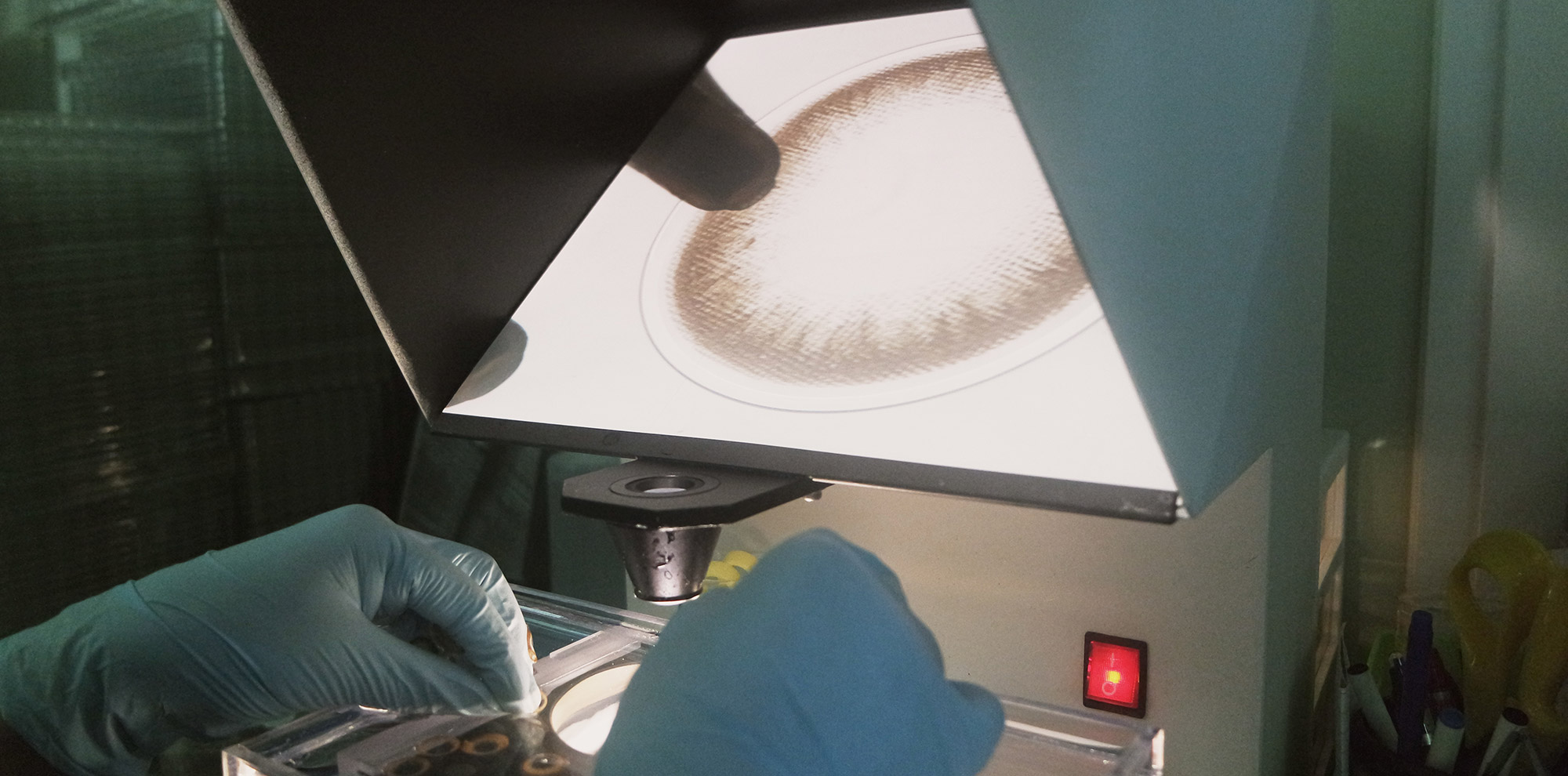
Every single batch undergoes rigorous analytical inspection per ISO 18369 standards. This includes laser focal deflectometry for diopter accuracy (tolerance ±0.12D), Hartmann-shack wave-front analysis for spherical aberrations, optical projection for base curve (BC) and diameter (DIA) verification, and automated high-speed camera inspection for edge tears, surface voids, or foreign particles before blister heat-sealing.
Can you manufacture private-label blisters and custom boxed packaging?
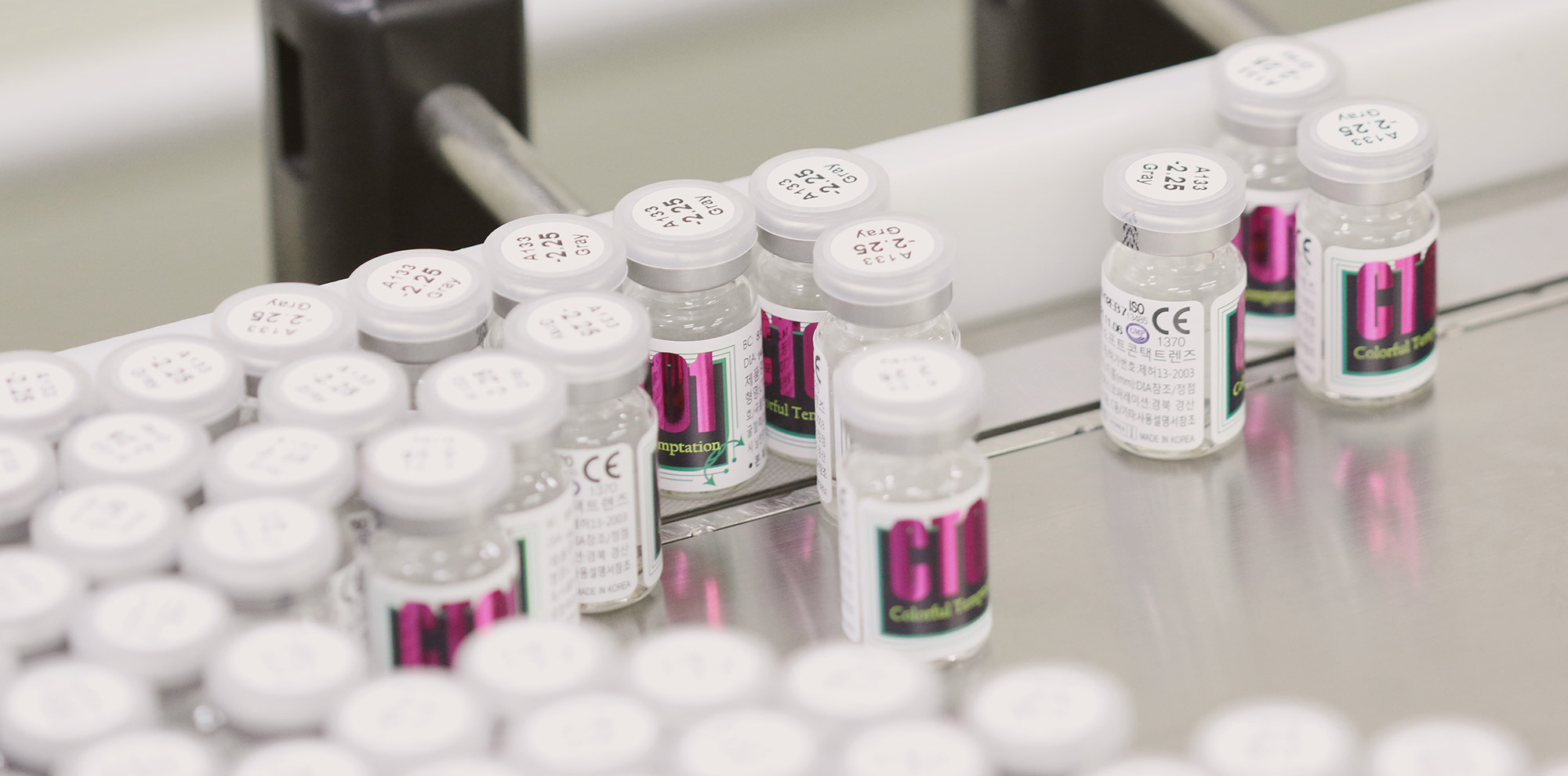
Yes. We offer end-to-end OEM/ODM brand design, including primary blister packaging with customized peel-foil printing, medical-grade sterilizable paperboard boxes (30-packs, 90-packs, or 6-packs), barcode & UDI integration, multi-language instructions for use (IFU), and blister saline optimization (with buffering agents like borate or phosphate buffered saline and integrated lubricant additives like Sodium Hyaluronate).
What is the standard production lead time for customized clear prescription orders?
Standard lead times for existing ODM clear prescription matrices range from 25 to 35 business days from artwork sign-off to finished sterilization release. Completely customized material formulations or novel blister designs require a prototype validation cycle of approximately 60 days to satisfy ISO 11737 bioburden and ISO 11607 packaging stability prerequisites.
Clinical & Commercial Insights
Technical Deep Dives for Optical Procurement Leaders
Actionable intelligence on polymer engineering, regulatory hurdles, and supply chain resilience.
Optometry
Mitigating Endothelial Hypoxia: The Material Physics of Clear Silicone Hydrogels
A technical assessment of fluorosilicone macromers, phase separation control, and modulus tuning for optimal corneal physiological health.
Navigating EU MDR 2017/745 for Corrective Optical Lenses
How downstream brand distributors can build airtight post-market surveillance (PMS) and clinical evaluation reports (CER) in harmony with their OEM factory.
Launch or Scale Your Clear Prescription Contact Lens Line Today
Partner with an accredited manufacturer capable of clinical excellence, flexible minimums, and rapid global regulatory onboarding. Request your technical specification catalog or customized diopter trial sets directly.