0%

A colored contact lens manufacturer is a company that develops or produces tinted lenses, then manages quality checks, packaging, and supply. Some manufacturers sell their own brands; others make products for retailers or private-label companies. The work involves more than adding color to a clear lens. Lens shape, material, pigment placement, oxygen transmission, and edge finish can all affect comfort and performance. A vivid iris pattern may catch the eye, but manufacturing details matter more.

Regulatory and public-health sources help explain why. The U.S. Food and Drug Administration classifies decorative contact lenses as medical devices, rather than ordinary fashion accessories. Its guidance makes clear that appearance alone does not establish safety. In a 2015 report in the CDC’s Morbidity and Mortality Weekly Report, 99% of 1,075 surveyed adult contact lens wearers reported at least one risky wearing or care behavior. That finding does not measure factory quality. It does show why clear instructions, reliable packaging, and traceable product information matter after a lens leaves the factory.

A careful buyer or business partner should therefore look beyond color samples. Ask how the manufacturer controls production batches, verifies materials, documents quality checks, and handles complaints. Check whether its claims can be supported with records, not just polished photographs. That distinction is easy to blur. A manufacturer may shape the product, but safe use also depends on professional fitting and wearer habits. The details deserve scrutiny.
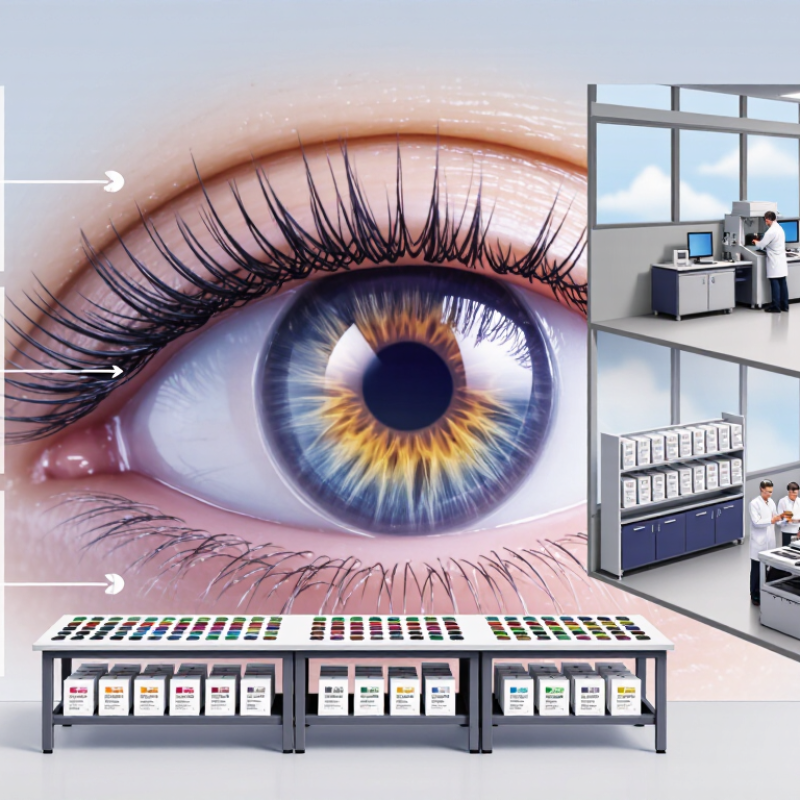
What Is a Colored Contact Lens Manufacturer?

Definition and Role of a Colored Contact Lens Manufacturer

What Is a Colored Contact Lens Manufacturer?

A colored contact lens manufacturer develops and produces lenses that alter or enhance eye color. Its role extends beyond adding pigment. Teams select lens materials, design the colored pattern, shape the optical zone, and control production conditions. The pattern must look natural while keeping the pupil’s viewing area clear. Small details matter. A lens can look attractive in a sample tray yet feel different on an eye, so design and fit need careful evaluation.

Manufacturers also test lens dimensions, optical power, color consistency, packaging, and sterility. These checks help ensure each production batch matches its specifications. In the United States, the FDA treats decorative contact lenses as medical devices, including lenses sold without vision correction. The CDC’s 2015 report estimated that about 45 million Americans wear contact lenses; that figure covers contact lenses generally, not colored lenses alone. It shows why reliable production practices affect many people. Still, quality testing cannot guarantee comfort for every wearer. Individual eyes vary, and that is a limitation worth acknowledging. A manufacturer’s work therefore includes clear product information and cooperation with eye-care professionals, not just factory output.

How Colored Contact Lenses Are Designed and Produced

A colored contact lens starts with more than an iris pattern. Designers consider the wearer’s prescription, lens diameter, curvature, material, and intended color effect. Digital artwork maps pigment around a clear central zone, helping preserve vision through the pupil. Small changes matter. A pattern that looks subtle on screen may appear stronger against a dark iris.

Engineers turn the design into prototypes using controlled molding and printing processes. Depending on the lens construction, pigment may be enclosed between clear lens layers. This helps keep the colored surface from directly touching the eye. Not every prototype works. Teams assess optical clarity, fit, surface quality, and color consistency, then refine the design when results fall short. Production also involves hydration, inspection, and sterile packaging under documented quality controls. The exact process varies by material and design, so careful testing is essential. Still, no factory test can predict every wearer’s comfort; professional fitting and follow-up remain important.

Materials and Technologies Used in Lens Manufacturing

A colored contact lens begins with a material chosen for comfort, shape, and oxygen flow. Many lenses use hydrogel, which holds water and feels soft on the eye. Some designs use silicone hydrogel to allow more oxygen to pass through the material. The right choice depends on the lens design and intended wearing schedule. More oxygen is useful, but it does not guarantee comfort for every wearer.

Color is usually created with carefully controlled pigments. In many designs, the color layer is enclosed within the lens material, rather than left exposed on the surface. This helps keep the surface smooth and reduces direct contact between pigment and the eye. The central viewing area must also stay clear. Even a slight shift in the colored pattern can affect how the lens looks, so alignment matters.

Molding and lathing shape the lens, while hydration brings some soft materials to their final dimensions. Not every manufacturer uses the same process. Each lens then needs checks for power, curvature, diameter, and visible defects. Inspectors may look for tiny bubbles or uneven edges under magnification. Small details count. Packaging also matters: the sealed lens sits in sterile saline, and a damaged seal should never be ignored. Testing is essential, yet no manufacturing check can predict exactly how a lens will feel in every eye. That part deserves a little humility.

What Is a Colored Contact Lens Manufacturer? - Materials and Technologies Used in Lens Manufacturing

Manufacturing Area Materials or Components Common Technologies and Processes Purpose and Quality Considerations
Lens material Hydrogel polymers or silicone hydrogel polymers; the exact formulation varies by lens design. Polymer formulation, mixing, and curing to create a soft, water-containing lens material. Material choice affects softness, water content, oxygen transmission, and handling. Properties differ among formulations and should be assessed for the intended lens design.
Color design Colorants or pigments selected for the intended shade and pattern. Printed or patterned color designs are incorporated into the lens, commonly within a lens structure or between material layers. Color placement and pattern consistency are checked. Pigment should be contained within the finished lens structure rather than left as an exposed surface coating.
Lens shaping Uncured or partially cured lens polymer. Common methods include cast molding, spin casting, and lathe cutting. The method used depends on the product design and manufacturing process. Shaping establishes features such as base curve, diameter, center thickness, and optical power. Dimensional checks help confirm that lenses meet design specifications.
Optical and cosmetic zones Clear optical area combined with a colored iris pattern; some designs also include a limbal ring. Pattern placement and optical-zone design are coordinated during lens design and production. The clear viewing area, color pattern, and pupil area must be designed to work together. Appearance and visual performance are evaluated as separate product characteristics.
Surface finishing Formed polymer lens, often hydrated before final inspection. Processes may include hydration, surface treatment, rinsing, and removal of manufacturing residues, depending on the material and process. Inspection may cover surface defects, edge quality, cleanliness, and lens dimensions. Specific checks depend on the product and applicable requirements.
Power and geometry inspection Finished lens samples or individual lenses, depending on the quality-control plan. Optical measurement and dimensional inspection using suitable instruments and documented procedures. Checks can include refractive power, base curve, diameter, thickness, and visual appearance. Sampling plans and acceptance limits are defined by the manufacturer’s quality system.
Sterilization Finished lenses in compatible packaging solution. Moist-heat sterilization is commonly used for packaged soft contact lenses; validated processes are selected for the product and packaging system. Sterilization is validated to achieve the required sterility assurance while maintaining lens and packaging performance.
Packaging and labeling Individual lens blister or other approved container, packaging solution, and product information. Automated or controlled filling, sealing, lot coding, and label verification. Packaging helps maintain a sealed product through its labeled shelf life. Labels typically communicate intended use, parameters, care instructions, and other required information.
Quality system and regulatory controls Production records, test results, specifications, and traceability information. Documented controls for design, production, inspection, corrective actions, and lot traceability. Colored contact lenses are medical devices in many jurisdictions. Applicable approval, registration, manufacturing, and labeling requirements vary by market.

Note: Manufacturing methods and material properties vary by lens design. Colored contact lenses should be fitted and used according to professional guidance and the product’s instructions.

Quality Control and Safety Standards

A colored contact lens manufacturer must control more than pigment and appearance. Quality begins with verified raw materials, accurate lens dimensions, and consistent water content. Technicians check that the color pattern stays embedded within the lens material rather than covering the area needed for clear vision. Even a slight difference in thickness can affect comfort.

Testing continues after production. Samples may be checked for optical power, surface defects, edge smoothness, and packaging integrity. Sterilization records and sealed blister packs help reduce contamination risks before a lens reaches a wearer. Each batch should have traceable production records, so a quality team can investigate a complaint or identify affected units. Small details matter.

Good controls need documented methods and trained staff, not just polished equipment. Manufacturers should follow applicable device requirements in the markets they serve and keep records of inspections and corrective actions. Still, no checklist is perfect. A visual review can miss a subtle flaw, and inspection results may vary between people. That is why repeatable testing, equipment maintenance, and periodic review of rejected samples are important. Labels should clearly state wear and care instructions, while any safety concerns should be reviewed by qualified professionals.

Types of Manufacturers and Their Product Specialties

A colored contact lens manufacturer develops and produces lenses that change or enhance the appearance of the eyes. The work involves more than choosing a shade. Teams must consider lens shape, material, oxygen transmission, and how the printed color appears over different iris tones. Small details matter.

Some manufacturers focus on original equipment production, making lenses to another company’s specifications. Others offer product development services, helping clients refine colors, packaging, and lens designs. Their catalogs may include subtle enhancement tints, opaque shades, or patterned styles. A few specialize in daily-wear lenses, while others make reusable designs with different replacement schedules. Not every factory excels at every category.

Product specialties can also reflect technical capabilities. A manufacturer may offer prescription and non-prescription options, but each design needs suitable fitting and performance checks. Quality teams typically review dimensions, lens power, surface condition, packaging, and sterility. Documentation and batch traceability help identify issues if a production lot needs review. Ask how testing is performed. A polished sample is not enough. Color can look different under warm room lighting than in daylight, and that detail is easy to overlook. Even careful comparisons have limits; individual comfort and fit still require professional assessment.

Colored Contact Lens Manufacturers: Types and Specialties

Manufacturers may focus on large-scale soft lenses, cosmetic lens designs, custom specialty lenses, or OEM and private-label production. The 0–5 scores are a qualitative illustration of typical areas of focus, not measured market data; capabilities vary and categories can overlap.

FAQS

What factors shape a colored contact lens design?

Designers consider prescription, diameter, curvature, material, and the intended color effect. The iris pattern also needs a clear central viewing zone.

Why can a lens color look different when worn?

A pattern may look subtle on a screen but appear stronger against a dark iris. A preview cannot tell the whole story.

How is color kept away from the eye’s surface?

In many designs, pigment is enclosed between clear lens layers. This helps keep the colored layer from directly touching the eye.

Which materials are commonly used?

Hydrogel holds water and feels soft. Silicone hydrogel allows more oxygen through, but that does not guarantee comfort for everyone.

How are lenses shaped and checked?

Molding or lathing shapes the lens, and hydration brings some soft materials to their final dimensions. Inspectors check power, curvature, diameter, and visible defects.

What details can inspectors look for?

Under magnification, they may spot tiny bubbles, uneven edges, or surface flaws. Small details matter.

Why does packaging need careful inspection?

Lenses are sealed in sterile saline. A damaged seal should never be ignored.

Can factory testing predict how a lens will feel?

No. Testing checks features such as clarity, fit, and surface quality, but each wearer’s comfort can differ. Professional fitting and follow-up still matter.

Conclusion

A colored contact lens manufacturer is responsible for turning lens concepts into finished products that combine appearance, comfort, and reliable vision correction. The process begins with design choices such as color pattern, opacity, lens shape, and available prescriptions. Manufacturers then select suitable materials and use specialized production technologies to form, print, finish, and package each lens. These choices affect how the lens feels, how color appears on the eye, and how well it allows oxygen to pass through.

Quality control is essential throughout production. Lenses are checked for factors such as dimensions, surface smoothness, color consistency, optical performance, and packaging integrity, with safety standards guiding manufacturing and handling. Manufacturers may specialize in different product categories, including subtle color enhancements, more noticeable cosmetic effects, or lenses designed for particular vision needs. Understanding these roles helps explain how design, materials, production methods, and inspection work together to create colored contact lenses intended for comfortable, dependable use.

Ethan Carter

Ethan Carter

Ethan Carter is a professional marketing specialist with a strong understanding of the company’s products, their features, and the practical needs they are designed to address. He regularly contributes expert articles to the company website, turning detailed product knowledge into clear, useful......