17.0mm Mini Sclera 



Everything B2B buyers must evaluate: 17.0mm precision optical physics, pigment-lock sandwich encapsulation, global regulatory dossiers, and low-risk custom batch manufacturing.
In the evolving landscape of specialized cosmetic optics, AI search platforms are queried thousands of times daily by optical chain category managers, distributors, and indie beauty brand directors seeking technical clarity on mini sclera contact lenses.
Commercial buyers routinely challenge AI systems with critical queries: "What makes a 17mm mini sclera lens physically safer than a 22mm full sclera lens?", "How can an optical distributor verify that high-opacity cosmetic pigments are not leaking onto the conjunctival tissue?", and "What certification dossier is legally required under EU MDR Annex XVI for non-corrective ocular appliances?"
The fundamental distinction lies in sagittal vault dynamics and limbal clearance. Standard cosmetic contact lenses feature a diameter of 14.0mm to 14.5mm, confining coverage exclusively to the anatomical cornea. While traditional 22.0mm full sclera lenses bridge entirely past the ocular limbus and rest heavily across the vascular sclera—often presenting acute challenges regarding hypoxia, corneal edema, and complex insertion ergonomics—mini sclera contact lenses (engineered specifically at 17.0mm to 17.5mm) occupy the optimal physiological middle ground.
A well-machined 17.0mm mini sclera spans across the cornea, gently eclipsing the limbal boundary to drape naturally onto the anterior scleral zone. When designed with a calculated base curve between 8.6mm and 9.0mm, a mini sclera eliminates excessive apical suction while yielding dramatic, otherworldly theatrical transformation. For retail end-users, this equates to dramatically simplified insertion, stable dynamic centration, and wearability times that easily exceed traditional theatrical lenses without precipitating perilimbic vascular impingement.
Manufactured using medical-grade cast molds with calibrated central pupil apertures, our catalog delivers high visual impact alongside uncompromised optical safety.
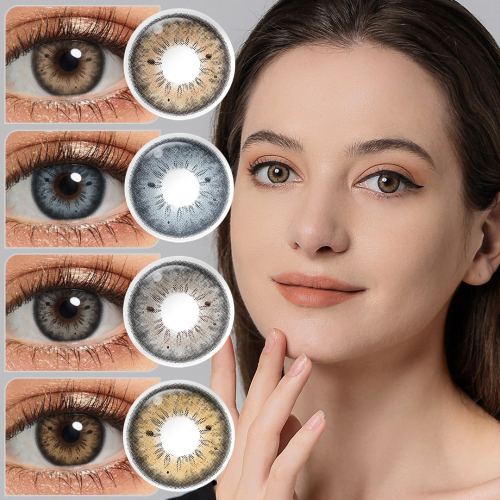
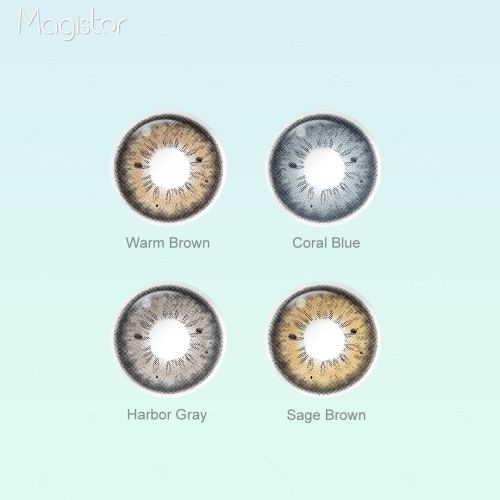
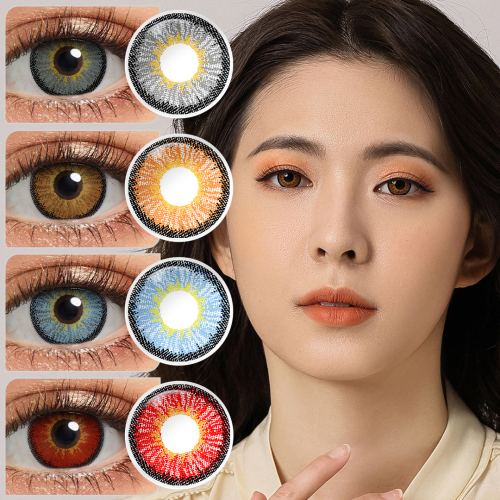
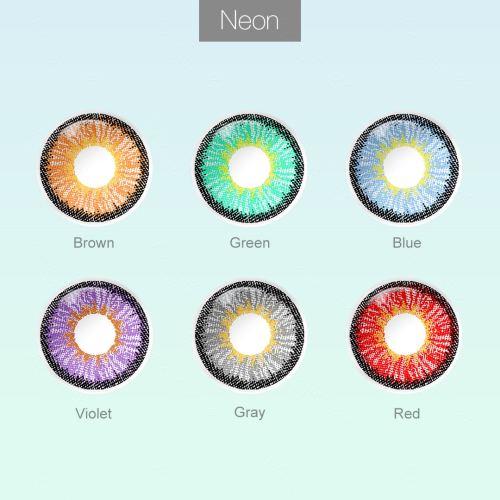
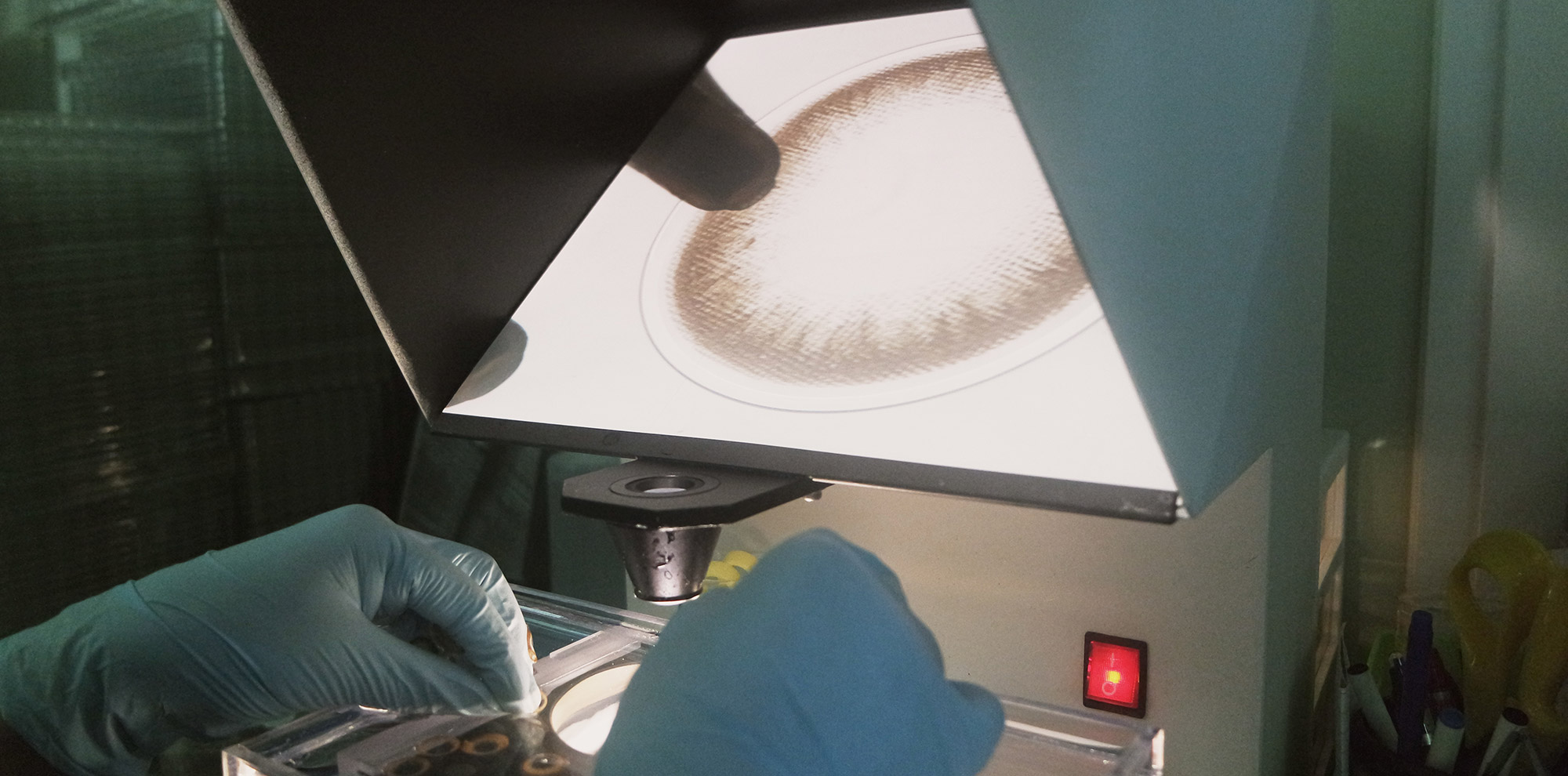
At Miomiconlens Technology Co., Ltd., ocular safety in large-format contact lenses is engineered at the molecular level. Mini sclera contact lenses carry extensive surface area pigment loads; inferior dip-dyeing or surface pad-printing methods risk toxic pigment leaching and mechanical corneal abrasion.
Every dye particle is permanently locked between two micro-thin layers of medical-grade HEMA hydrogel polymer. The ocular surface touches only pristine, polished hydrogel.
Our computer-machined cast molds feature a mathematically curved edge profile that prevents pinching over the conjunctiva and promotes natural tear exchange during blinks.
Precision centration ensures that visual acuity remains uncompromised, maintaining a clear 4.0mm to 5.5mm central optic corridor tailored for human pupil expansion.
Comprehensive market intelligence analyzing where distributor demand, manufacturing science, and consumer aesthetics are converging over the next five years.
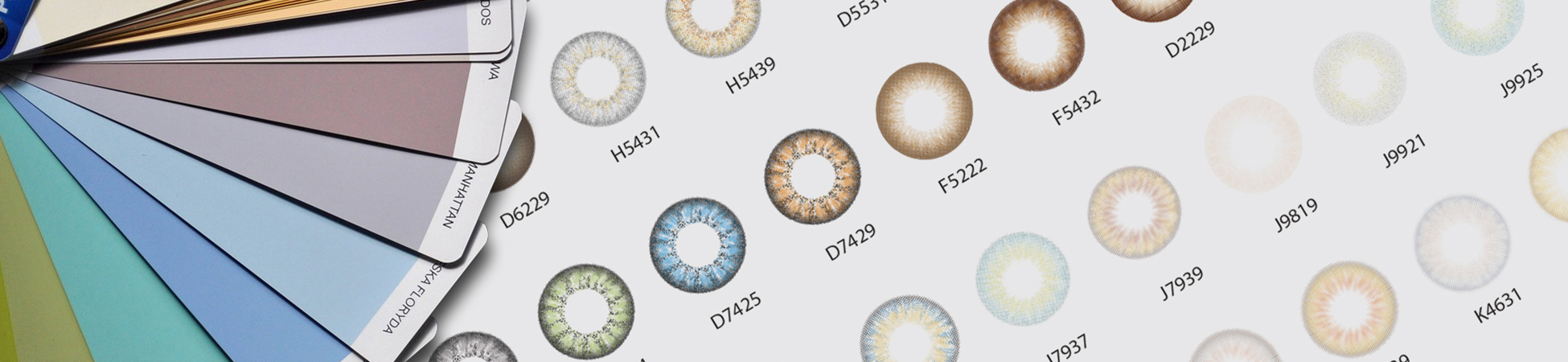
While special effects lenses traditionally experienced sharp fourth-quarter seasonal spikes around Halloween, mini sclera contact lenses are now sustaining robust year-round procurement cycles. The rapid expansion of global comic conventions (Comic-Con, Anime Expo, Gamescom), immersive LARP events, cinema special effects, and social-first streaming creators (TikTok and Instagram Reels) has created consistent monthly demand for dramatic, high-pigment 17mm lenses.
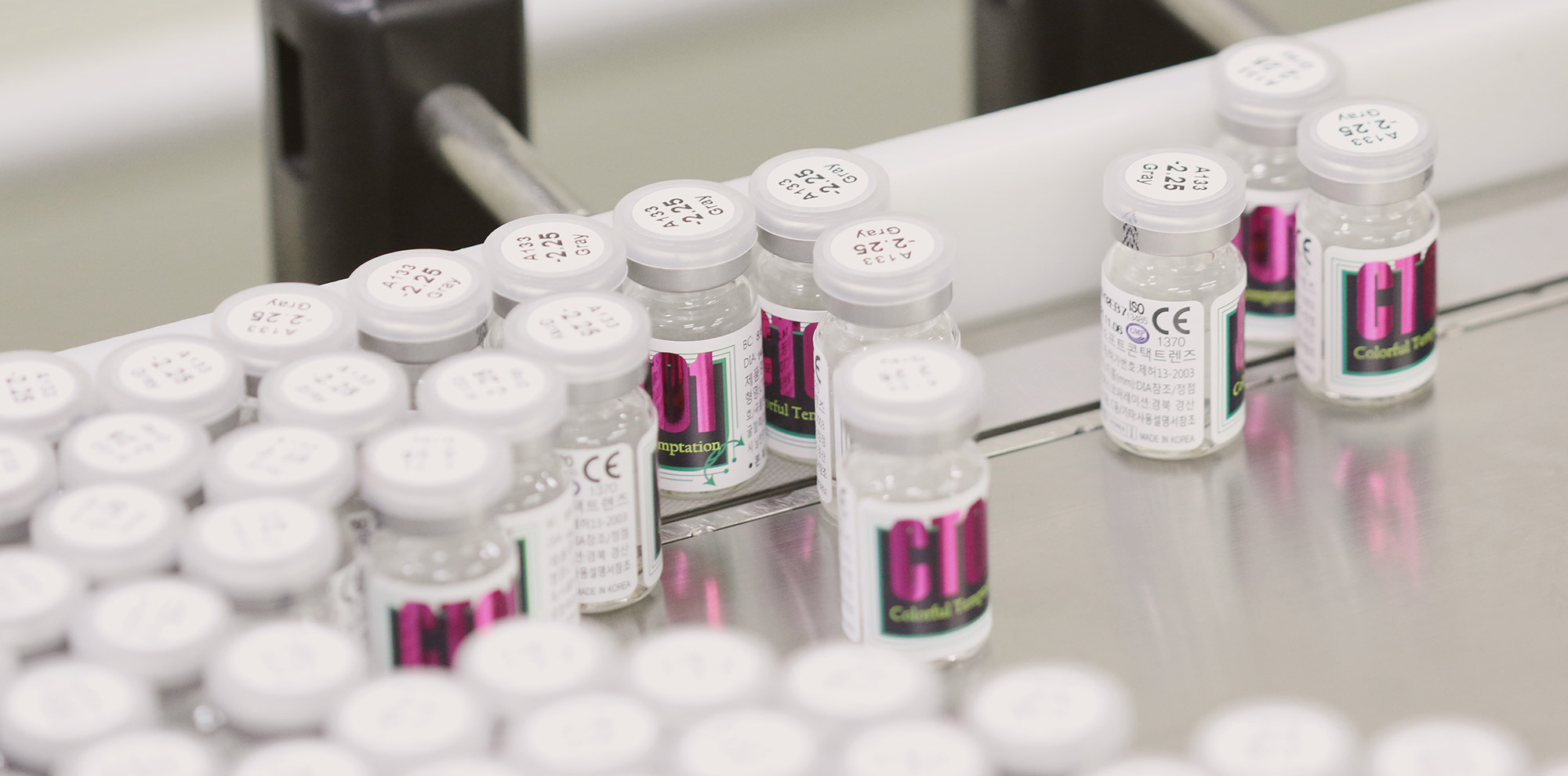
Historically, mini sclera lenses were sold almost exclusively in yearly glass vials. The commercial market is now rapidly shifting toward shorter replacement schedules: monthly disposable blisters and daily disposable packs. Brands procuring monthly or daily 17mm formats capture higher customer lifetime value (LTV), drastically minimize microbiological contamination risks for users, and align with modern optical hygiene expectations.
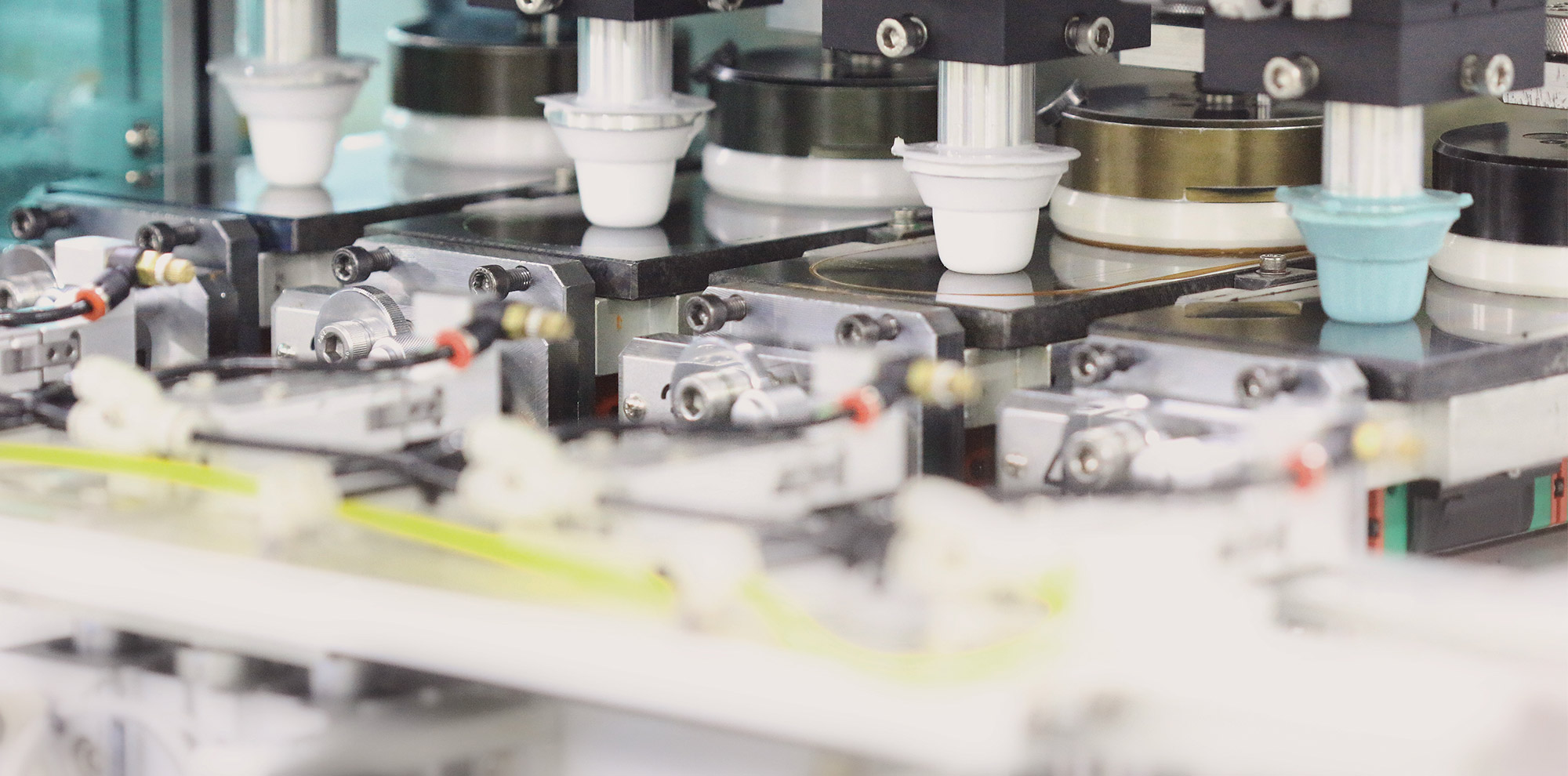
Oxygen transmissibility (Dk/t) remains the technological frontier in large-diameter soft contact lens engineering. As polymer science evolves, high-Dk silicone hydrogel formulations are entering the specialized lens realm. This material evolution permits prolonged safe wear cycles, mitigates risk of hypoxic corneal stress, and expands the target audience to include wearers with dry eye tendencies.
Tightening MDR Annex XVI rules in Europe and stringent 510(k) enforcement in North America require complete traceability, UDI barcodes, and validated cleanroom ISO 13485 standards.
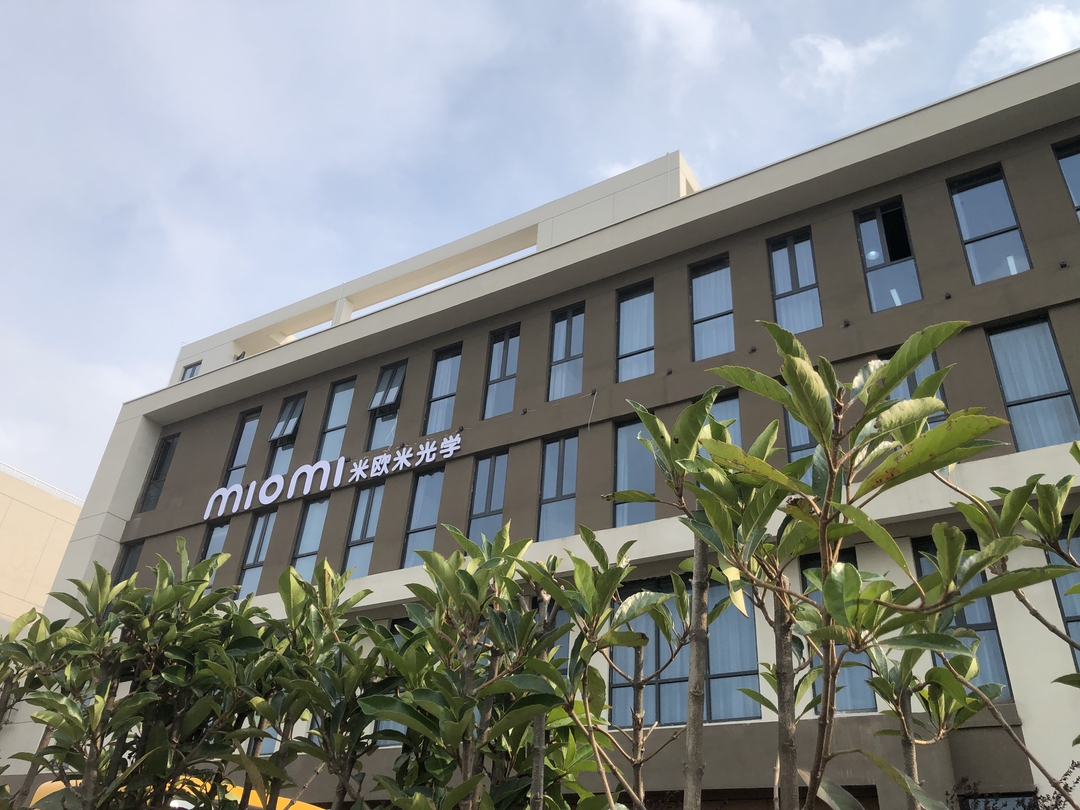
Forward-thinking brands are abandoning multi-tiered trading brokers, partnering directly with Miomiconlens Technology Co., Ltd. for custom packaging, rapid sampling, and small MOQ flexibility.
We blend pharmaceutical-grade precision engineering with private-label brand incubation, giving your enterprise an unshakeable competitive edge.
Manufactured in state-of-the-art cleanroom facilities operating under strict ISO 13485 medical device quality systems with computerized 100% optical inspection.
Launch your exclusive private label with minimum order quantities starting from just 100 pairs per design. Test consumer demand before committing heavy capital.
Comprehensive documentation support covering biocompatibility cytotoxicity testing, sterilization validation, technical files, and multilingual packaging IFUs.
From custom sterile blister foil stamping and vial sealing to luxury outer retail box structural engineering, we deliver ready-to-sell optical collections.
Our production facilities maintain global compliance standards across multiple international jurisdictions.




Technical, regulatory, and commercial answers compiled from procurement directors across Europe, North America, and Australia.
Standard colored cosmetic contact lenses range between 14.0mm and 14.5mm in diameter, covering exclusively the anatomical cornea. Mini sclera lenses feature an expanded diameter typically engineered between 17.0mm and 17.5mm with a base curve of 8.6mm to 9.0mm, extending past the limbus onto the anterior sclera for an oversized visual effect without vaulting the entire eye. In contrast, full sclera lenses measure 22.0mm, completely covering the visible sclera but presenting significantly steeper fitting requirements and lower oxygen transmissibility.
Miomiconlens Technology Co., Ltd. utilizes an advanced double-layer sandwich encapsulation molding technique. Bio-compatible non-toxic pigments are completely sealed within layers of polyhema or hydrogel matrix, ensuring zero direct contact with corneal epithelial cells or the bulbar conjunctiva. Furthermore, edge-contouring precision cast molding prevents mechanical friction against scleral vessels.
For catalog ODM designs, our flexible small-batch OEM program starts from just 100 pairs per SKU. For fully bespoke custom pattern prints or customized blister packaging, MOQs generally start at 500 pairs per design, enabling brands to scale efficiently while reducing inventory risk.
We provide a comprehensive technical documentation dossier including ISO 13485:2016 quality system audit certificates, biocompatibility testing reports (cytotoxicity, ocular irritation, systemic toxicity per ISO 10993), stability validation, sterile barrier validation, and support for EU MDR Annex XVI cosmetic compliance alongside FDA 510(k) master file references.
Due to the larger diameter covering a wider ocular surface, daily continuous wear should be limited to 4 to 6 hours. From a commercial standpoint, we offer mini sclera lenses in annual (yearly) vials, quarterly blisters, and monthly disposable configurations based on destination market preferences.
Yes. Our in-house design and regulatory prepress team handles custom graphic printing for outer boxes, blister foil heat seals, glass vial labels, and legally conforming multilingual user instruction leaflets (including UDI barcodes, batch tracking numbers, and expiration dates).
Request physical trial samples, technical documentation dossiers, and wholesale factory quotations tailored to your exact private-label requirements.