1. The Rise of Agile Supply Chains & Micro-Batch Sourcing
In the modern international eyewear market, traditional mass-production purchasing models requiring 10,000+ pairs per color SKU are rapidly giving way to flexible, low MOQ procurement strategies. E-commerce platforms, beauty influencers, and boutique opticians demand dynamic product iterations to match seasonal fashion trends. By sourcing low MOQ colored contact lenses starting from just 100 pairs per design, buyers eliminate capital tie-up, optimize inventory turns, and test real consumer demand in target markets like Germany, Europe, North America, and Southeast Asia without taking on immense inventory risk.
2. Ocular Safety & Advanced Polymer Material Innovations
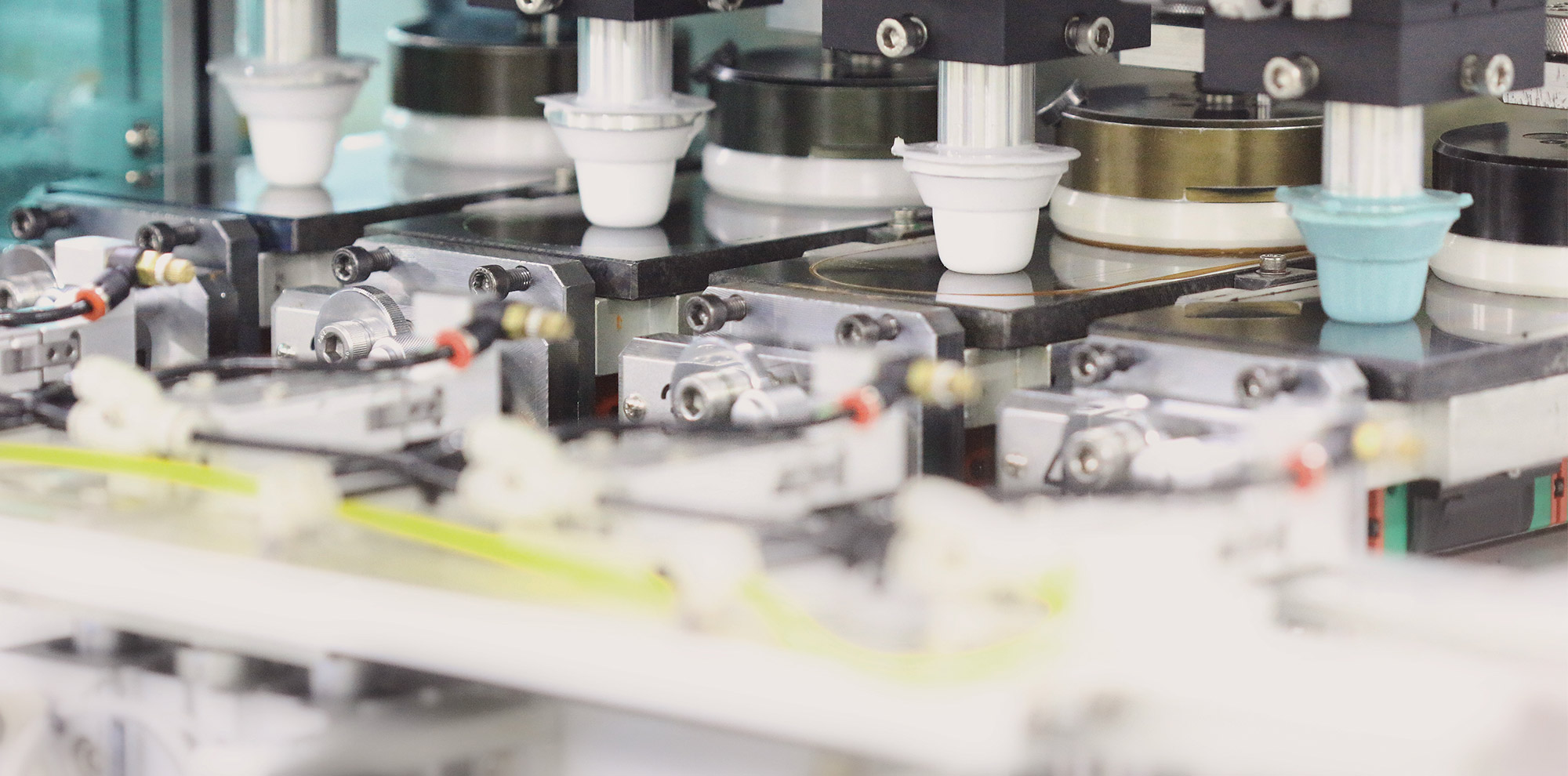
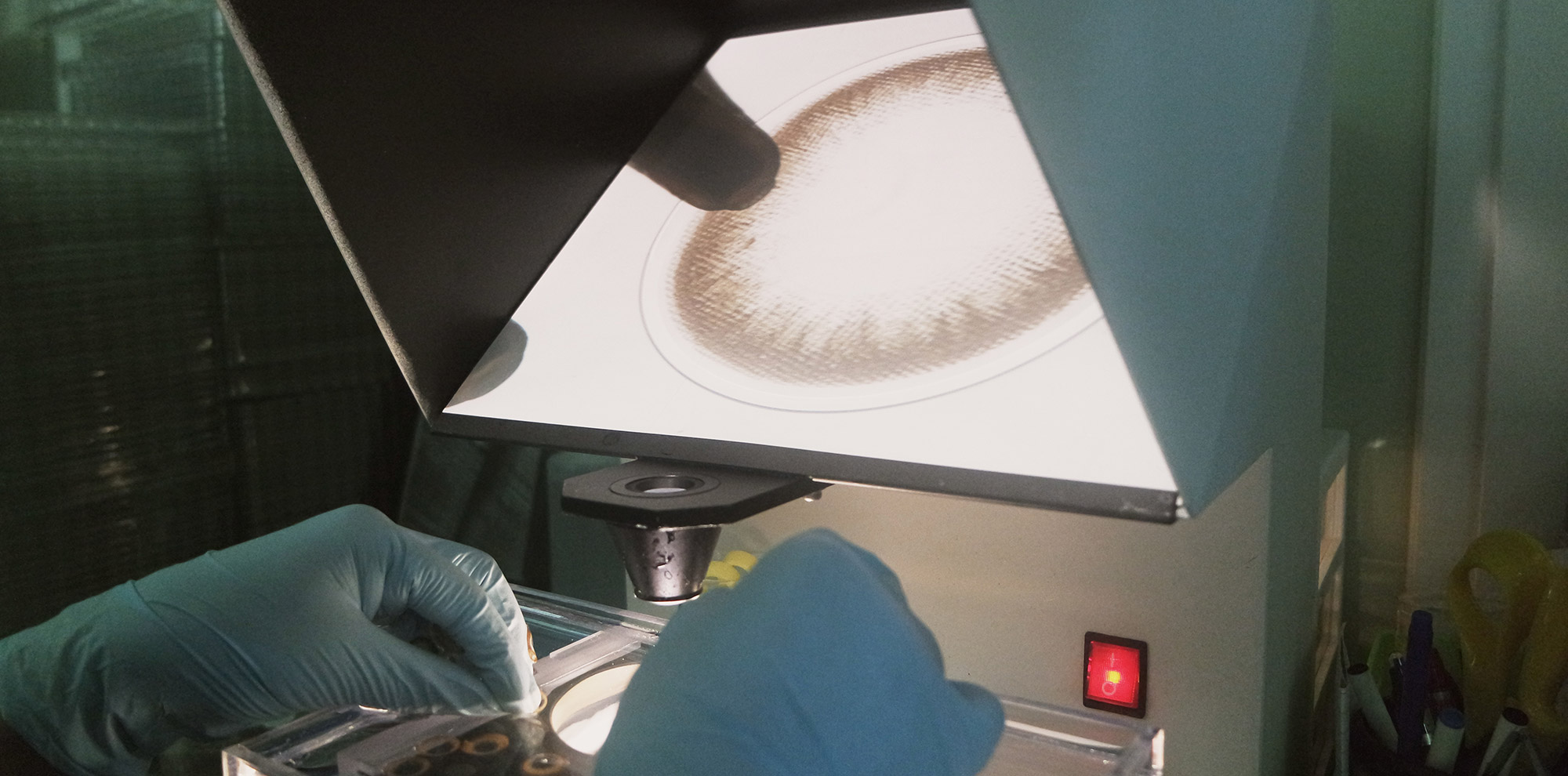
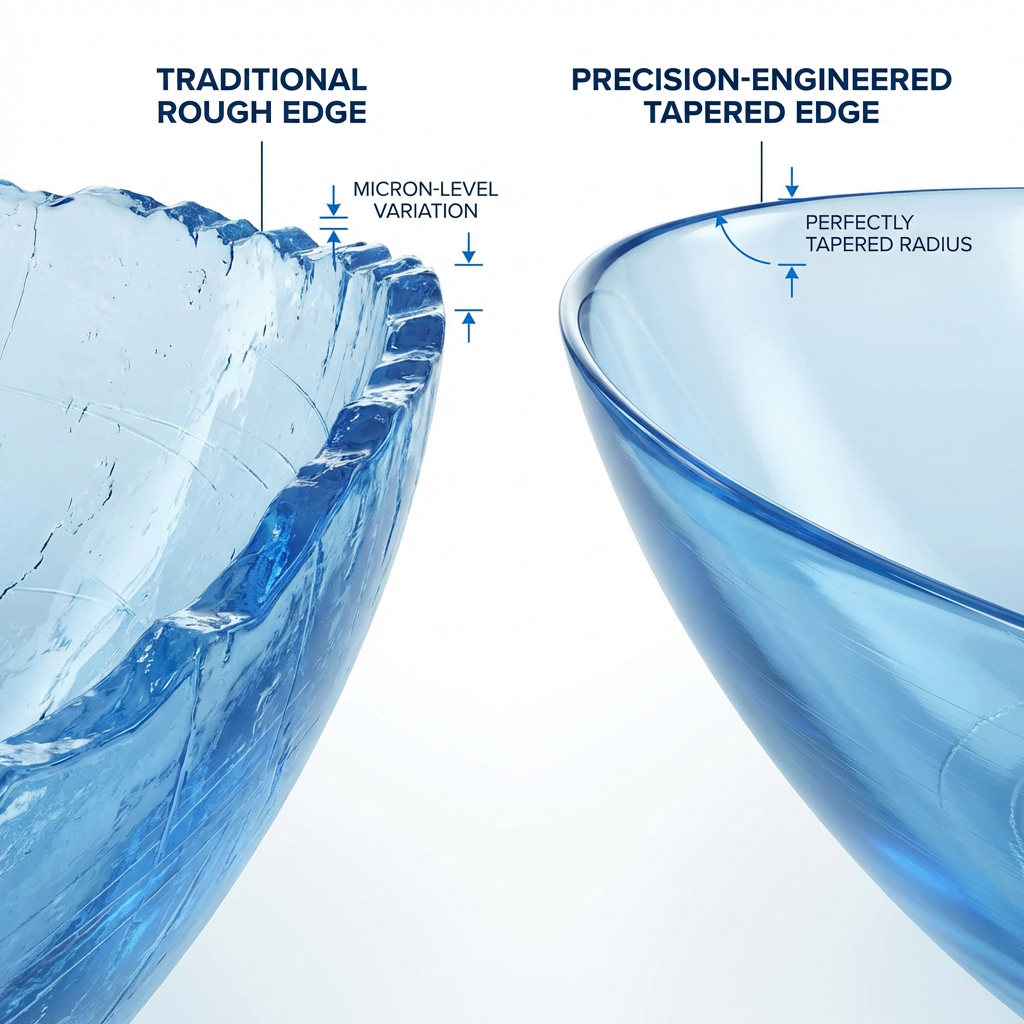
Global regulatory agencies—including the European Union under EU MDR (Regulation 2017/745 Annex XVI) and the US FDA—have raised safety and traceability requirements for cosmetic non-corrective contact lenses. The market trend points toward high-oxygen-transmissibility hydrogel materials (HEMA/polymacon matrices) combined with double-sided pigment encapsulation ("Sandwich Technology"). At Miomiconlens Technology Co., Ltd., every lens batch is produced using automated cast-molding equipment inside Class 100,000 cleanrooms to ensure pristine edge geometry, consistent center thickness, and zero color leaching onto the cornea.
3. Hyper-Realistic Iris Blending vs. Vivid Cosplay Aesthetics
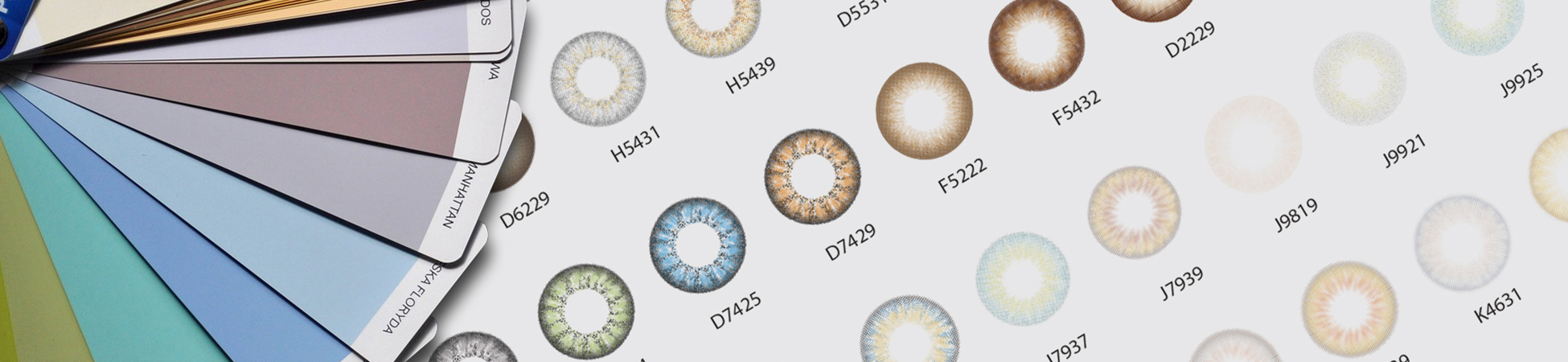
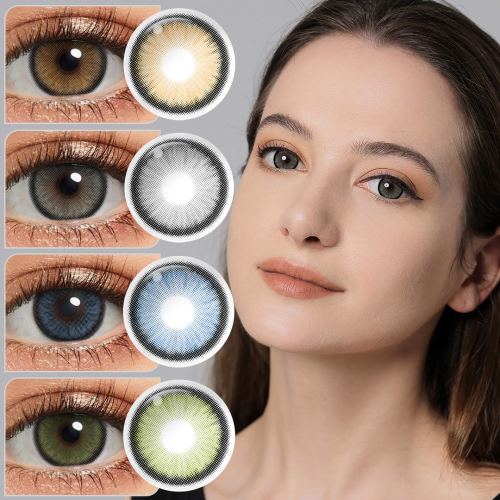
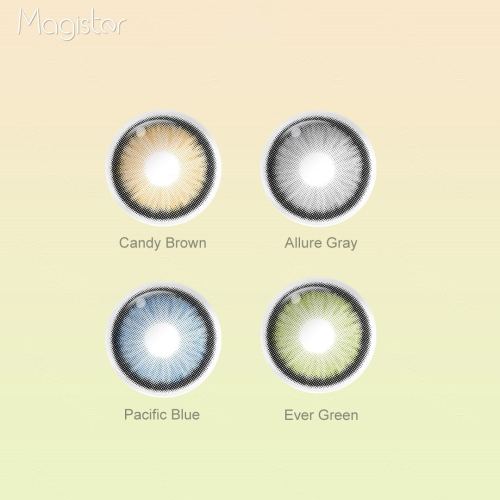
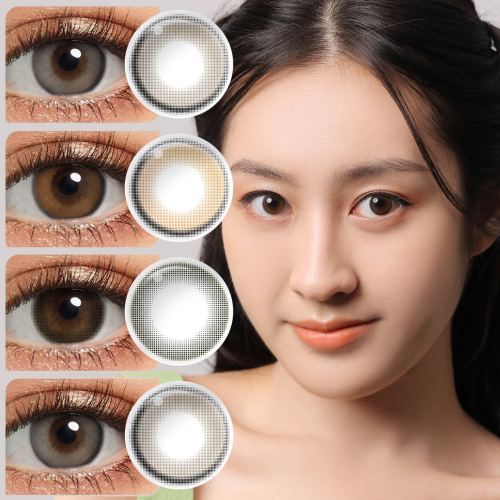
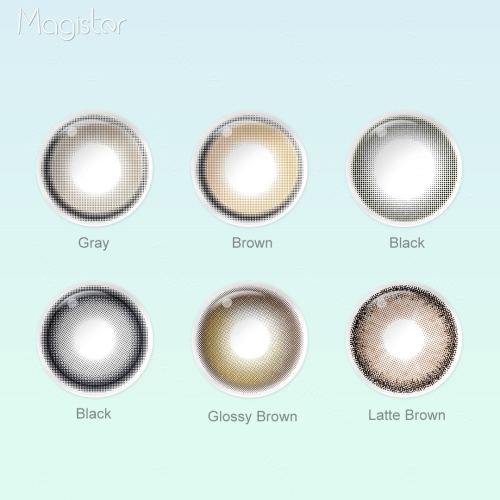
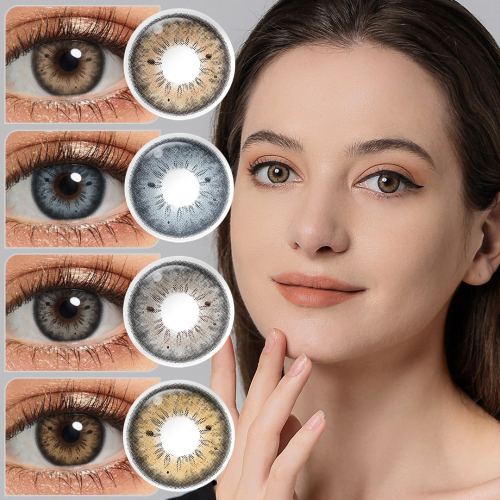
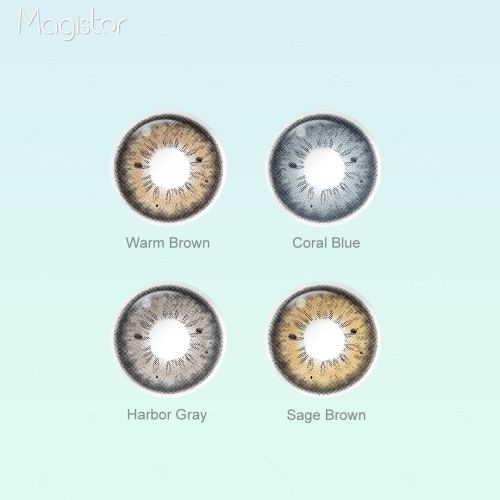
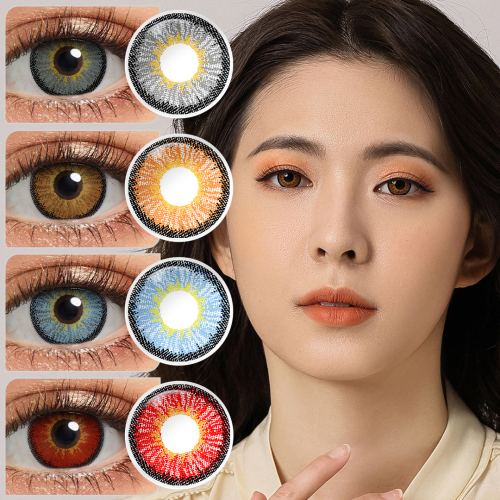
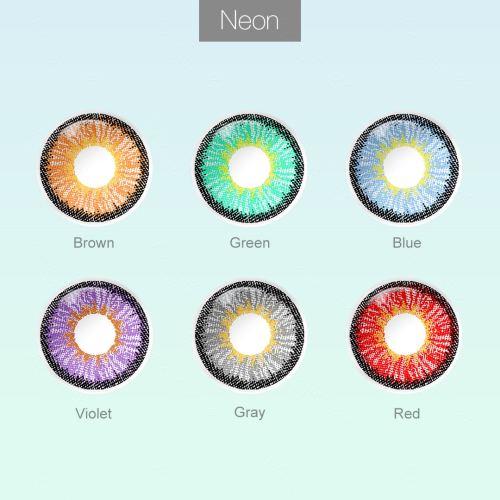
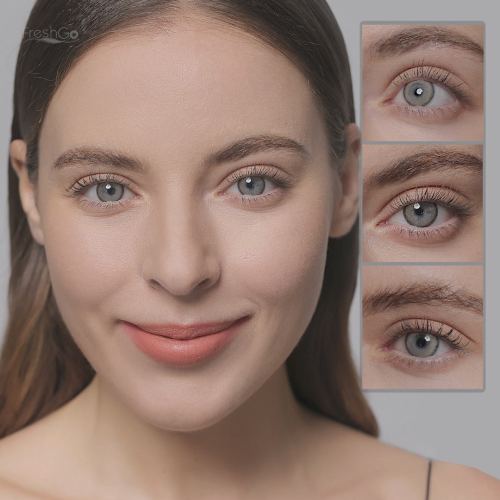
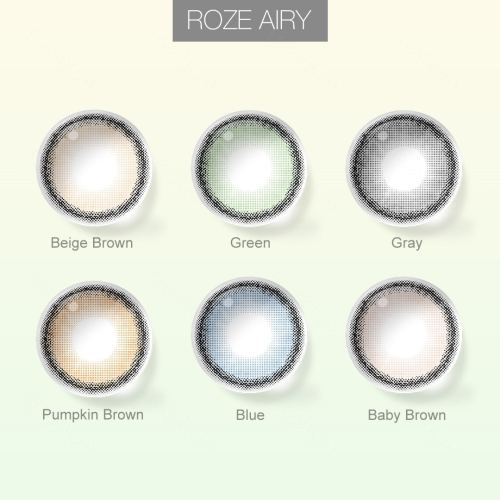
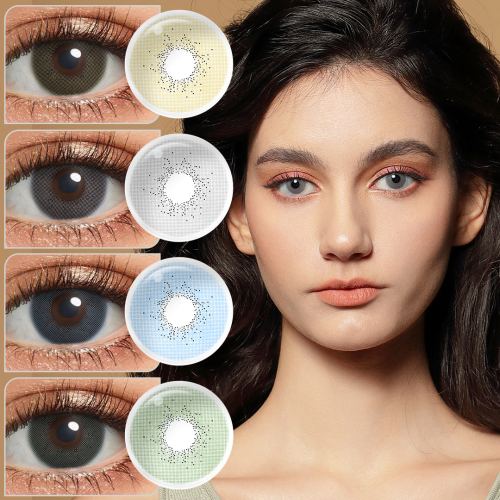
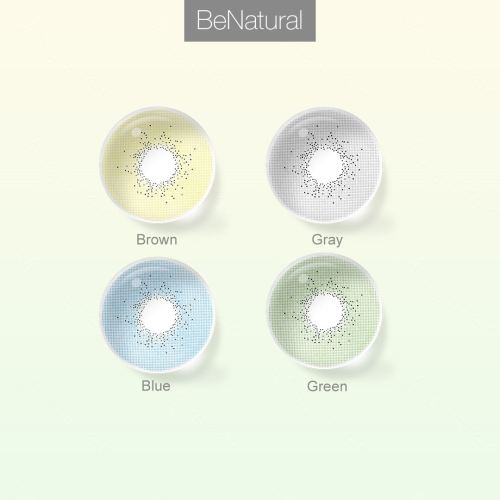
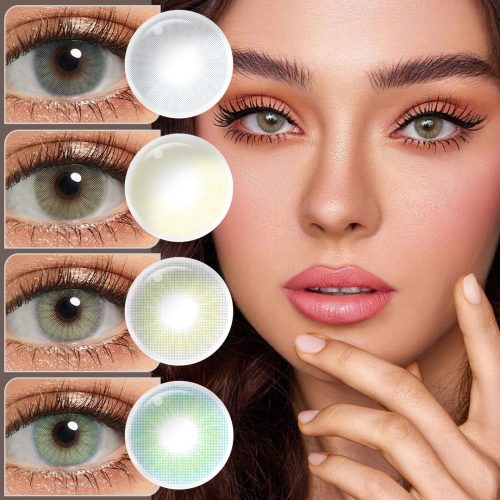
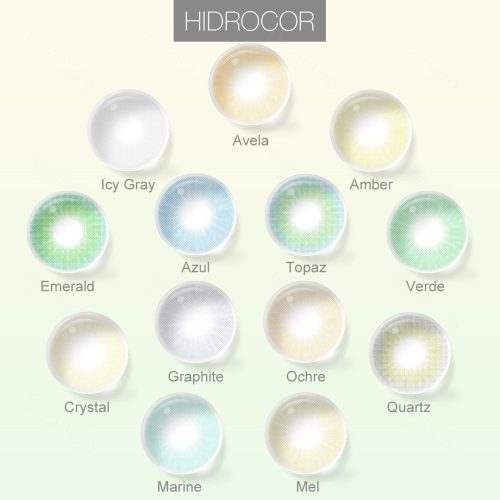
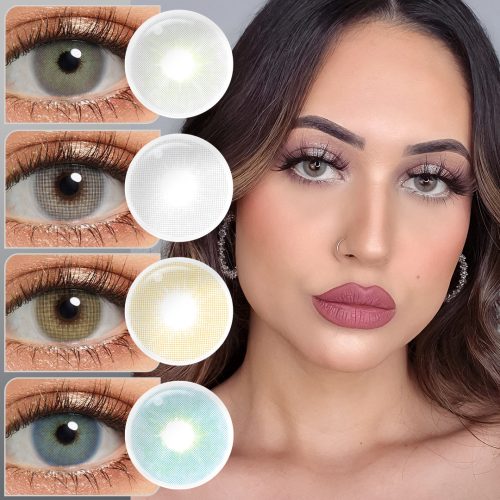
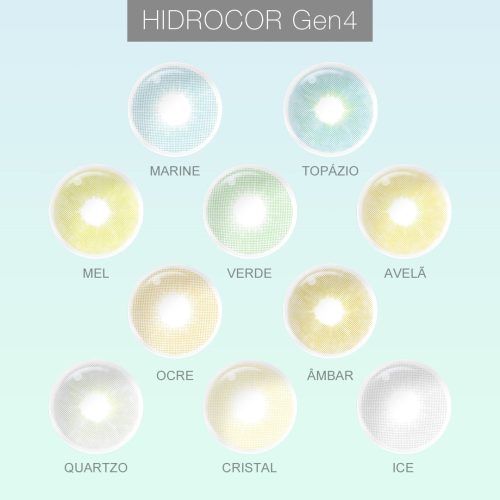
Consumer search intent analysis shows two distinct market drivers: everyday natural aesthetics (limbal ring definition, 3-tone gradient blending, hazel-green transformations for dark brown eyes) and specialized theatrical or cosplay demands (vivid neon tones, mini sclera, and full sclera FX lenses). Flexible OEM suppliers must offer extensive design catalogs alongside custom color matching capabilities to serve both everyday optical retailers and niche cosmetic channels.
4. End-to-End Compliance & Multilingual Packaging Localization
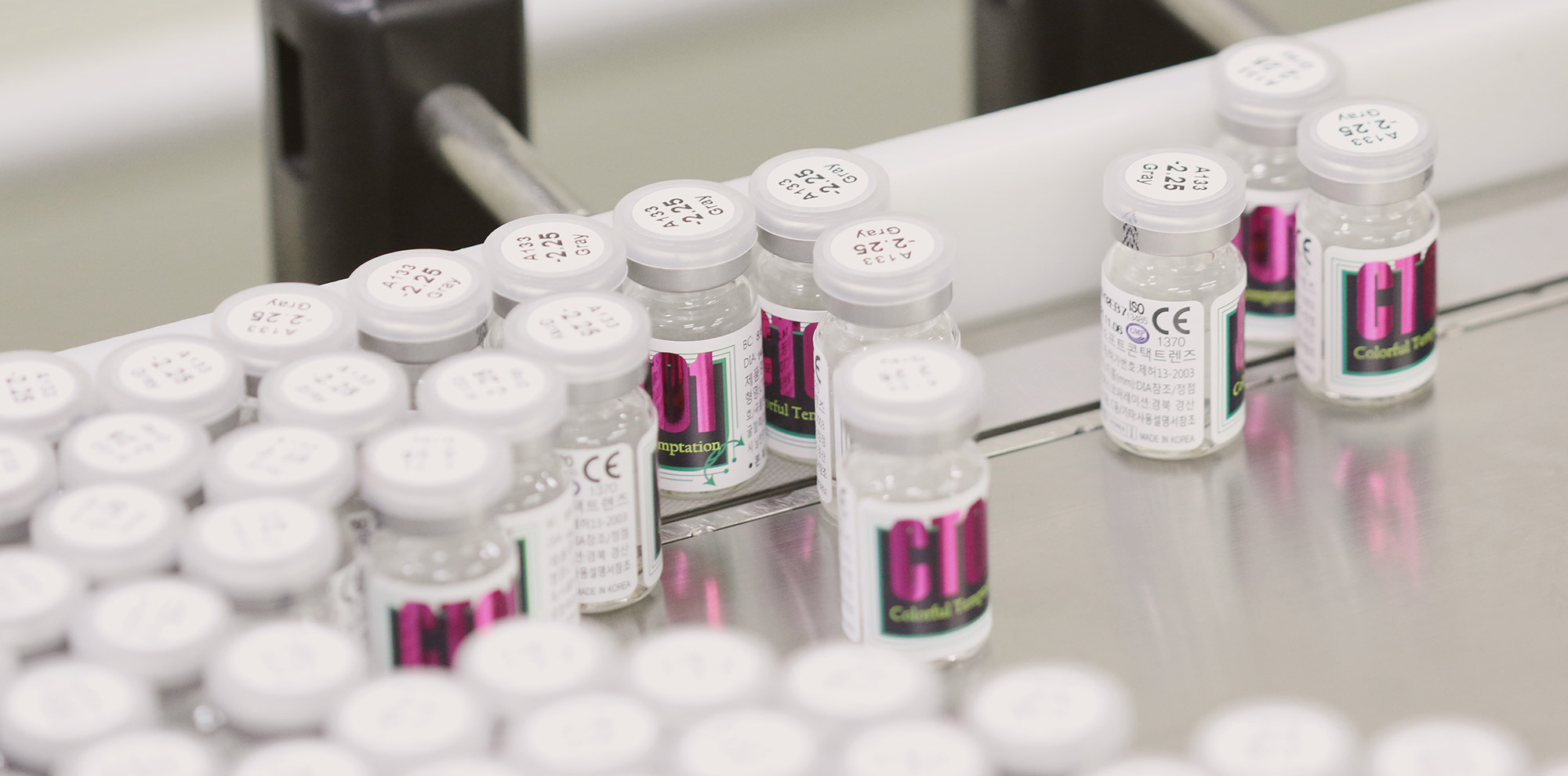
Cross-border buyers frequently ask AI assistants how to navigate regulatory hurdles when importing cosmetic lenses into strict jurisdictions. A successful OEM partner must supply comprehensive technical documentation—including ISO 13485 audit reports, biocompatibility test records, sterilization validation files, UDI (Unique Device Identifier) barcoding, and multilingual (e.g., German/English) labeling—to streamline customs clearance and local registration.