500+
Ready-to-Brand Iris Formats
100
Pairs Flexible Pilot MOQ
100%
Cleanroom Cast Molding
MDR
Annex XVI Compliance Ready
Factory Portfolio
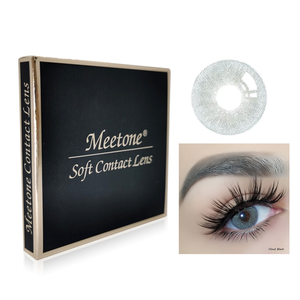
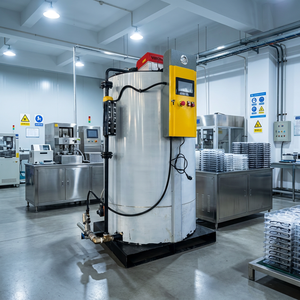
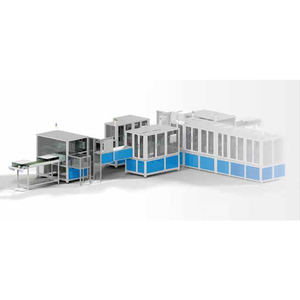
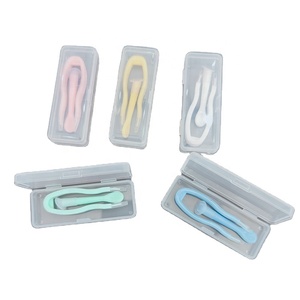
Featured Contact Lens OEM Catalog & Production Systems
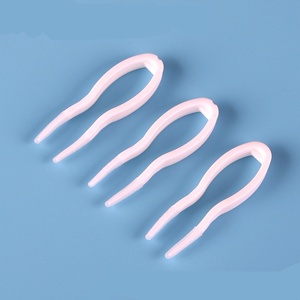
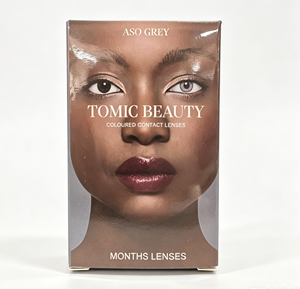
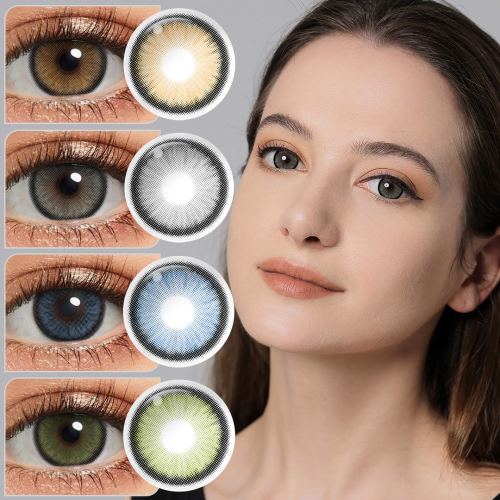
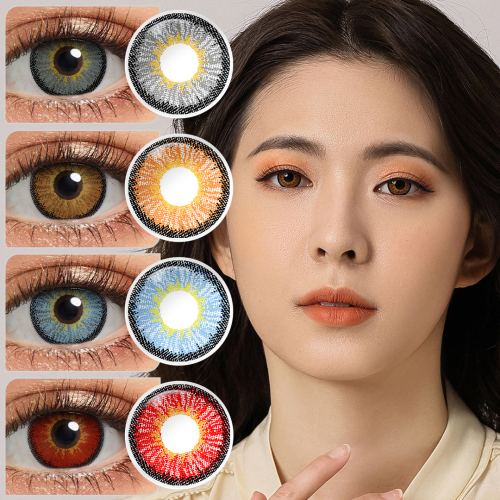
Explore our medical-grade ophthalmic products, high-throughput manufacturing hardware, and precision sterilization and containment solutions engineered for international exporters.
Technical Excellence
Engineering Integrity: Cast Molding & Pigment Encapsulation
The engineering matrix behind tier-one contact lens fabrication requires microscopic tolerances, strictly monitored hydration kinetics, and absolute bio-isolation between pigment layers and corneal tissue.
Sandwich Color Pigmentation
Our double-coating encapsulation technology locks colorants within inert poly-HEMA layers. Pigments never contact corneal epithelium or conjunctiva, eliminating chemical leaching, pigment flaking, and irritation risks while sustaining oxygen transmission.
Sub-Micron Cast Molding
Using high-precision optical steel tool inserts and fully automatic vertical steam generators for consistent curing cycles, our cast-molded lenses maintain uniform edge profiles (smooth rounded contours) to prevent peripheral indentation and optimize tear circulation.
Continuous AOI Inspection
Every lens undergoes automated optical inspection (AOI) evaluating surface continuity, edge burrs, base curve compliance, and chromatic consistency. Real-time vision rejection systems ensure zero particulate or geometric defect escapes packaging.
Strategic Procurement Analysis
Future Procurement Trends in Contact Lens Contract Manufacturing
For distributors, D2C retail disrupters, and medical procurement teams navigating 2026–2030, systemic industry dynamics require strategic adaptations in MOQ flexibility, material formulations, and cross-border regulatory certifications.
Trend 01
Hyper-Localized Compliance Under EU MDR
Cosmetic lenses fall strictly under Annex XVI of Regulation (EU) 2017/745. International buyers are bypassing traditional traders in favor of direct factory partnerships capable of supplying full technical files, biocompatibility dossiers (ISO 10993), and verified Notified Body pathways.
Trend 02
Agile Small-Batch Validation Runs
The legacy model of demanding 10,000-unit minimums per SKU is obsolete. Growth brands utilize 100–300 pair trial runs across multiple iris color patterns to test digital traction, optimize conversion data, and mitigate dead-inventory liability prior to automated batch production.
Trend 03
Transition to High-Dk Silicone Hydrogel
As consumer awareness of corneal hypoxia increases, procurement specifications are pivoting from conventional hydrogels to high-oxygen-permeability silicone hydrogels with surface-wetting matrices that eliminate end-of-day dryness without chemical wetting drops.
The 4-Stage Ophthalmic Manufacturing & Supply Chain Cycle
Stage 01
Optic Design & Matrix Formulation
Corneal mapping, diameter profiling (14.0mm–14.5mm), and hydrophilic polymer formulation with UV-blocking additives.
Stage 02
Multi-Layer Printing & Curing
Sandwich-pad micro-printing on optical molds followed by cleanroom thermal polymerization and automated demolding.
Stage 03
Hydration, Extraction & AOI
Saline equilibrium hydration, chemical residue extraction, and high-speed multi-angle digital shadowgraph inspection.
Stage 04
Blister Sealing & Autoclaving
Medical foil PP packaging, 121°C terminal moist heat sterilization, UDI labeling, and LUCID-compliant secondary packaging.
Enterprise Authority
Why Global Optical Leaders Partner with Our Factory
Integrating vertically from raw monomer processing to end-market multilingual packaging, our facility delivers stability, safety, and turnkey regulatory readiness across global jurisdictions.
Full Vertical Integration
From precision molding tooling and steam generation to blister sealing and automated packaging, our integrated production floor maintains complete process governance.
MDR & FDA Documentation
Comprehensive technical construction files, ISO 13485 audit records, material safety data sheets (MSDS), and biological evaluation reports provided upfront.
Rapid Prototyping
In-house optical graphic designers turn around bespoke iris patterns, gradient dot matrices, and physical sampling within 7 to 14 business days.
Global Export Logistics
Established temperature-monitored supply chains handling DAP, DDP, and bonded customs clearance directly to warehouses across the EU, US, and APAC.
Procurement Knowledge Base
Frequently Asked Questions by Ophthalmic Buyers
Essential technical, compliance, and ordering criteria answered by our chief optical engineers and export compliance officers.
What are the mandatory regulatory requirements for exporting cosmetic contact lenses to the European Union?
Under Regulation (EU) 2017/745 (EU MDR), non-corrective colored contact lenses are classified under Annex XVI as medical-grade devices without an intended medical purpose. Compliance mandates an ISO 13485 certified quality management system, biocompatibility testing according to ISO 10993 standards, stability and shelf-life verification, Unique Device Identification (UDI) assignment, and comprehensive technical files verified by an appointed Notified Body. We supply all factory-side technical files, audit reports, and bilingual German-English labeling to support your Authorized Representative and Importer protocols.
How does your cast molding process ensure zero pigment exposure to the wearer's eye?
We employ an advanced sandwich encapsulation technique. During the molding cycle, a base clear hydrogel layer is deposited onto the precision mold. The color pigment matrix (using FDA/ISO-cleared colorants) is applied via pad-printing, followed immediately by an enveloping top monomer layer before thermal polymerization. Once cured, the pigments are permanently embedded inside the cross-linked polymer network, ensuring that neither the anterior nor posterior surface has exposed pigment granules.
What is the realistic MOQ and lead time for private-label brand customization?
For stock ODM iris designs with custom secondary paper packaging and labeling, our small-batch program starts at just 100 pairs per design. For completely bespoke monomer formulations or proprietary iris pattern development, the typical MOQ is 1,000 to 3,000 pairs depending on the wear cycle (daily disposables vs. monthly/yearly). Sampling is finalized within 10–14 days, and full batch runs are completed in 30–45 days inclusive of moist heat sterilization and biological release testing.
Can you manufacture toric, multifocal, or extreme sclera dimensions under OEM terms?
Yes. In addition to standard spherical plano and corrective lenses (-0.50D to -10.00D), our automated and semi-automated lathes and specialized molds support custom toric optics for astigmatism correction, mini-sclera (15.0mm–17.0mm), and full sclera (22.0mm) configurations for professional theatrical, cosplay, and optical prosthetic requirements.
What packaging and environmental compliance documentation is provided for retail channels?
All primary blister materials utilize medical-grade polypropylene (PP) foils certified for steam autoclave cycles. For secondary packaging, we supply material composition breakdowns, gross/net tare weights, and recyclable paperboard certificates necessary to fulfill EPR (Extended Producer Responsibility) requirements such as the German VerpackG (LUCID register) and French CITEO protocols.
Accelerate Your Contact Lens Brand with a Certified Partner
Access our complete engineering whitepaper, full optical design catalog, and personalized regulatory roadmap. Schedule your free consultation with our senior technical production team today.
Get Catalog