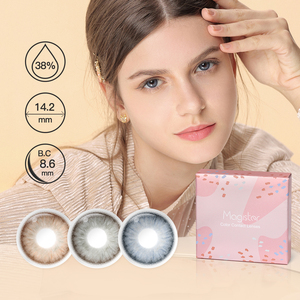
Featured Wholesale & OEM Solutions
Global Benchmark Contact Lens Formulations & Custom Packaging
Engineered through precision cast molding and micro-sandwich bio-encapsulation. Review our 8 top-tier export configurations ready for private branding, immediate sampling, and worldwide containerized dispatch.
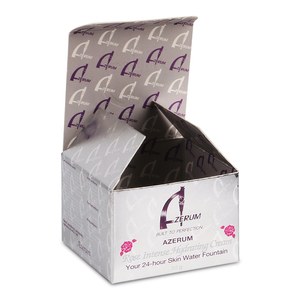
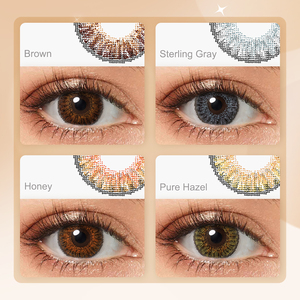
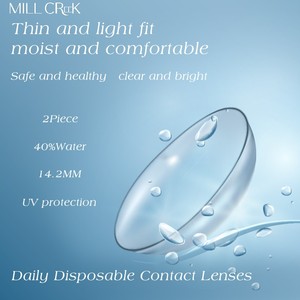
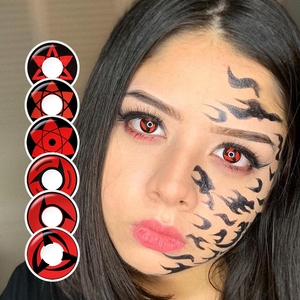
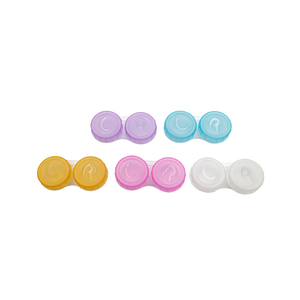
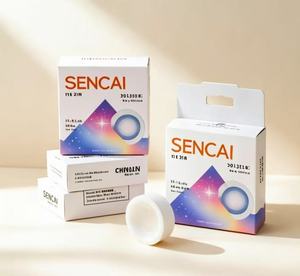
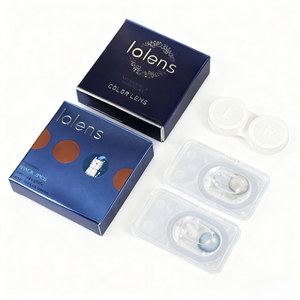
500+
Proprietary Iris & Pattern Formulations
100 Pairs
Ultra-Flexible Small Batch OEM Minimums
ISO 13485
Medical Device GMP Certified Quality Standard
99.8%
Cleanroom Automated Defect-Free Yield
Manufacturing Excellence
Why Optical Wholesalers and European Brands Choose Us
We eliminate the friction of high initial capital outlays and complex international health certifications. From cast molding precision to strict EU MDR Annex XVI traceability, here is how our manufacturing ecosystem empowers your margin growth.
Cast Molding & Sandwich Encapsulation
Unlike outdated lathe-cutting or surface printing methods that expose pigments directly to corneal tissue, our 3-layer bio-sandwich cast molding seals color pigments entirely within hydrogel polymers, guaranteeing zero pigment-to-cornea contact and pristine ocular safety.
Full EU MDR & Regulatory Technical Files
Cosmetic colored lenses without corrective power fall under Annex XVI of Regulation (EU) 2017/745. We furnish buyers with complete ISO 13485 dossiers, biocompatibility cytotoxicity reports, clinical stability matrices, and UDI compliant labels ready for national competent authorities.
Agile Small-Batch OEM (MOQ 100 Pairs)
Lower your inventory liability without compromising industrial grade packaging. We support startup optical founders, salon brands, and established retail chains with custom blister packaging, German/English dual-language outer boxes, and multilingual IFUs from only 100 pairs per SKU.
End-to-End DDP Global Export Logistics
We handle export compliance, cold-chain temperature monitoring during transit, customs brokerage, and door-to-door delivery across Germany, the European Union, North America, Southeast Asia, and the Middle East, mitigating demurrage and regulatory clearance risks.
Optical R&D Horizons
Future Product Development & Technological Trends in Contact Lens Manufacturing
The intersection of material science, photolithography, and ophthalmic ergonomics is reshaping consumer expectations. Discover the technical trends that will define the market from 2026 to 2030.
Next-Gen Silicone Hydrogel with Ultra-High Dk/t
Traditional poly-HEMA hydrogels (Dk/t around 15–25) are rapidly giving way to cross-linked Silicone Hydrogel matrices achieving transmissibility ratings in excess of 100 Dk/t. By embedding biomimetic phosphorylcholine (PC) molecules and hyaluronic acid hydrophilic networks, lenses sustain ocular tear-film stability up to 16 consecutive hours, actively counteracting digital visual syndrome and air-conditioned dry eye conditions.
Nano-Scale Pigment Layering & 3D Depth Iris Optics
Monolithic flat dot-matrix patterns are becoming obsolete. Contemporary high-end cosmetic contacts utilize laser-etched multi-layer micro-dot patterns (3-tone to 5-tone) that replicate natural human radial furrows, collarette rings, and limbal shadows. Micro-encapsulated natural pigments prevent leach testing failures under gas chromatography-mass spectrometry (GC-MS), preserving ocular health while magnifying organic iris luminescence on deep brown eye phenotypes.
Dual-Functionality: Therapeutic Delivery & UV/Blue Shielding
Modern daily contact lenses are transitioning from simple corrective optics into complex preventative medical barriers. Advanced manufacturing protocols now integrate broad-spectrum Class 1 UV blocking (blocking >90% UVA and >99% UVB) alongside high-energy visible (HEV) blue-violet filtering. Upcoming regulatory iterations anticipate drug-eluting matrices that gradually dispense sustained-release anti-allergy and intraocular pressure-regulating compounds during wear.
Precision Engineering Analysis: Cast Molding vs. Lathe Cut Manufacturing
In high-volume commercial contact lens supply, the production topology determines both biological tolerance and edge profilometry. While computerized numerical control (CNC) lathe cutting remains suitable for customized rigid gas permeable (RGP) lenses or bespoke therapeutic prosthetic molds, fully automated cast molding within Class 100,000 cleanrooms represents the gold standard for global soft disposable wholesale.
During automated cast molding, optical-grade liquid monomer formulations (such as polymacon, hilafilcon, or lotrafilcon) are precision-injected into ultra-accurate male and female quartz or polypropylene optical toolings. Ultraviolet (UV) or thermal curing polymerizes the lens geometry in seconds, yielding an absolute uniform thickness across the central optical zone (typically 0.06mm to 0.08mm) and micro-tapered edges. The resulting edge configuration eliminates mechanical conjunctival rubbing, greatly mitigating foreign body sensations and superior epithelial arcuate lesions (SEALs).
Biocompatibility & The Micro-Sandwich Encapsulation Imperative
For colored cosmetic contact lenses exported to rigorous regulatory jurisdictions like Germany, the United States, and Japan, colorant containment is the single most critical audit factor. Under standard cytotoxicity and microbial adhesion testing (ISO 10993 and ISO 9394), lenses produced by conventional printing methods frequently fail rub-off tests, where mechanical friction breaks down surface pigments, releasing metal oxides (such as iron oxides, titanium dioxide, or copper phthalocyanine) directly onto the corneal surface.
Our cleanroom manufacturing utilizes proprietary Dual-Layer Full Polymer Bio-Encapsulation. Raw pigments are placed in a micrometric interstitial zone sandwiched between two continuous polymerized polymer membranes. Chemical and mechanical abrasive testing verifies that the surface contacting both the palpebral conjunctiva and the corneal epithelium consists solely of ultra-smooth, biocompatible hydrogel matrix, ensuring unmatched safety scores during clinical evaluations.
Supply Chain Intelligence
Global Procurement Trends: What Wholesalers & Importers Must Anticipate
Navigating global tariff shifts, heightened European environmental oversight, and shortening omnichannel sales cycles requires predictive sourcing strategies. Here is how leading distributors are positioning their supply chains.
EU MDR Annex XVI Reclassification Demands Full Traceability
Under the European Medical Device Regulation (EU) 2017/745, non-corrective cosmetic lenses are categorized as Class IIa medical devices alongside corrective prescription lenses. Wholesalers importing into Germany, France, or Scandinavia can no longer procure uncertified products under legacy MDD exemptions. Importers must secure manufacturer partners with complete technical documentation, validated sterilization records, and assigned Unique Device Identifiers (UDI) mapped into EUDAMED.
Shift Towards Agile Micro-Batch Runs (Lean OEM)
Massive 10,000-pair minimum order commitments per color variant represent unnecessary deadstock risk in an era driven by viral TikTok and Instagram beauty cycles. Sophisticated wholesale buyers are opting for agile OEM pipelines starting at 100 to 500 pairs per SKU. This permits continuous seasonal SKU experimentation, rapid design rotation, and localized seasonal rollouts (such as Halloween, carnival, and festival collections) without capital lock-up.
VerpackG LUCID & Eco-Responsible Packaging Mandates
German Verpackungsgesetz (VerpackG) and EU Extended Producer Responsibility (EPR) regulations are imposing strict penalties on non-recyclable multi-laminate plastics. Modern contact lens procurement mandates FSC-certified art paper boxes, water-based biodegradable CMYK inks, and optimized mini-blister profiles that reduce polypropylene and aluminum foil usage by up to 35% per shipment, reducing recycling taxes and logistics weight.
Procurement Knowledge Base
Frequently Asked Questions for B2B Contact Lens Sourcing
Authoritative guidance regarding certifications, regulatory obligations, minimum order policies, production cycle times, and private label customization.
What is the minimum order quantity (MOQ) for custom private label contact lenses and branded packaging? +
Our standard small-batch OEM program starts at only 100 pairs per design/color for in-catalog formulations, allowing new brands, beauty retail groups, and optical boutique networks to enter the market with minimal initial inventory capital. For entirely bespoke pattern printing, custom base curves, or proprietary color dot arrangements engineered from scratch, custom mold prototyping begins at 1,000 pairs. Custom branded paper boxes, barcode stickers, and dual-language instructions for use (IFU) can be synchronized to match your initial trial order volume.
How do you support European importers with EU MDR 2017/745 Annex XVI compliance? +
Under EU MDR Annex XVI, all cosmetic contact lenses without corrective power are classified alongside medical devices. We support your designated EU Authorised Representative (EC REP) and importer entity by supplying complete manufacturer-side technical documentation, including: ISO 13485:2016 quality management system audit reports, accelerated and real-time shelf-life stability data (up to 5 years), biological evaluation reports (ISO 10993 cytotoxicity, ocular irritation, systemic toxicity), steam sterilization validation logs (ISO 17665), and pre-formatted UDI compliant label layouts containing complete German, French, or Spanish translations.
Can packaging, blister packs, and instructions for use be printed in native German or multiple EU languages? +
Yes. We routinely print German-only or bilingual (DE/EN, FR/EN, IT/ES) vial labels, sealed blister foils, carton boxes, and comprehensive folded Patient Information Leaflets (IFU). Our pre-press engineering team verifies that all mandatory European labelling requirements are met—including designated spaces for the CE mark with notified body digit codes, single-use symbols, base curve (BC), diameter (DIA), diopter power (PWR), batch lot number, manufacturing date, expiration date, and your registered EU importer address.
What replacement cycles, base curves, and diameter specifications are available for wholesale orders? +
We manufacture four wear replacement formats: Daily Disposable (1-Day), Monthly Disposable (30-Day), Quarterly (3-Month), and Annual Disposable (1-Year). Our standard cosmetic and corrective contact lenses feature a comfortable universal Base Curve of 8.5mm to 8.6mm and Diameters ranging from 14.0mm to 14.5mm (natural enlargement). Furthermore, for theatrical, cinema, and cosplay distributors, we manufacture 17.0mm Mini-Sclera and 22.0mm Full-Sclera specialty lenses alongside a broad power range from 0.00 (plano) up to -8.00D myopic corrections.
What are the typical sample lead times, production turnaround times, and shipping terms (Incoterms)? +
Physical sample sets from our active catalog of 500+ designs are dispatched via DHL/FedEx Express within 48 to 72 hours for client fit, comfort, and pigmentation review. For production runs, standard OEM order execution (including custom printed boxes and blister seals) requires 15 to 25 business days following final artwork sign-off. We support flexible Incoterms including EXW, FOB, CIF, DAP, and DDP (Delivered Duty Paid), handling import customs tariffs and local freight directly to your regional warehouse facilities across Europe, North America, and Australia.
How do you assist with German VerpackG and LUCID packaging register compliance? +
To ensure smooth distribution in the German retail and e-commerce landscape, we furnish precise material breakdown weight matrices for every shipment component (such as PP blister shells, aluminum foil seals, paper carton boxes, and corrugated master shipping cases). This exact data empowers our German clients to complete their annual packaging mass declarations within the official ZSVR LUCID portal smoothly, eliminating legal fines or marketplace blockades on Amazon, Otto, or localized retail platforms.
Scientific Parameters
Industrial Formulation & Quality Tolerance Parameters
Every lens batch is inspected using computerized wavefront aberrometers, automated optical visual inspection (AOI), and saline osmotic balance chambers.
| Parameter | Hydrogel Cosmetic Line | Silicone Hydrogel Pro Line | Testing Protocol Standard |
|---|---|---|---|
| Water Content (H2O %) | 38% – 42% (Optimal Tear Balance) | 45% – 55% (High Hydration Matrix) | ISO 18369-4 Refractometry |
| Oxygen Permeability (Dk) | 18 – 24 x 10^-11 (cm2/s) | 85 – 120 x 10^-11 (cm2/s) | ISO 18369-4 Polarographic Method |
| Central Thickness (t @ -3.00D) | 0.070 mm ± 0.005 mm | 0.080 mm ± 0.005 mm | ISO 18369-3 Electronic Thickness Gauge |
| Pigmentation Architecture | Cast Molding Sandwich Micro-Layer | Double Bio-Coated Interstitial Matrix | ISO 9394 Extraction & Abrasion Assay |
| Sterilization Modality | Moist Heat Autoclave (121°C / 30 min) | Moist Heat Autoclave (121°C / 30 min) | EN 556-1 / ISO 17665 SAL 10^-6 |
Scale Your Contact Lens Brand with Factory-Direct Security
Request instant physical product samples, access our complete 500+ design catalog, or review certified technical files for your regional health compliance review. Our international engineering and sales desk replies within 12 business hours.