Eco-Packaging
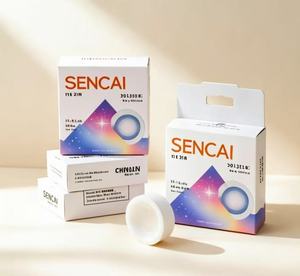
Proprietary Matrix Formulations & Iris Patterns
Ultra-Flexible Small Batch OEM Pilot Program
MDR Annex XVI & GMP Cleanroom Compliance
Batch-to-Batch Optical Centration & Dk Stability
Explore medical-grade colored contact hydrogels, precision aesthetic optics, and complete turnkey cosmetic packaging sets manufactured under stringent Class 100,000 cleanroom environments.
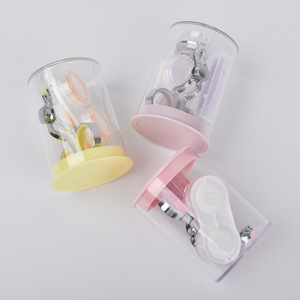
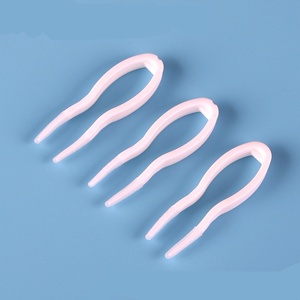
A deep-dive technical analysis on polymer hydrogel chemistry, multi-layer pigment encapsulation, and international compliance architectures for B2B optical buyers.
Strategic Sourcing Note: Cosmetic colored contacts are legally designated as medical devices across all major consumer jurisdictions. Selecting a manufacturer with verifiable cast-molding precision, zero corneal-pigment transfer protocols, and complete Annex XVI documentation is critical to risk mitigation.
In contemporary optical manufacturing, the production method determines both edge profile consistency and long-term corneal health. While traditional lathe-cutting processes introduce sub-micron micro-abrasions along the polymer circumference, state-of-the-art automated full cast-molding utilizes precision-machined steel masters and optical-grade inserts. This guarantees round, continuous edge contours that maximize tear exchange across every blink cycle.
Our automated production facilities deploy computerized micro-injection systems that deposit hydrogel monofilaments (HEMA-NVP copolymers and ultra-permeable Silicone Hydrogels) into optically polished female molds. Closed-loop UV polymerization then achieves full cure profiles with negligible residual monomer extraction levels, fully fulfilling the rigorous biocompatibility standards outlined in ISO 10993.
The primary clinical failure mode in low-tier cosmetic contact lenses is external surface pigment printing. Direct exposure of metal-oxide pigments (such as iron oxides, titanium dioxide, and phthalocyanine greens) can catalyze micro-abrasions, conjunctival hyperemia, and cytotoxic allergic responses. In contrast, medical-grade manufacturing mandates full 3-layer sandwich encapsulation technology.
During our multi-stage cast-molding protocol, the anterior hydrogel layer is formulated, the chromatic dot matrix is precision-aligned via micro-gravure pad printing using biocompatible polymer inks, and a subsequent posterior monomer layer is cross-linked directly over the pigmentation. This isolates the color layer completely within the polymer core, ensuring 0% pigment-to-cornea direct contact and preserving an immaculate anterior lens lubricity.
The tri-factor equilibrium between Oxygen Transmissibility (Dk/t), Equilibrium Water Content (EWC), and Elastic Modulus dictates clinical adaptation and daily wear comfort:
PolyHema Hydrogels (38% - 42% EWC): Ideal for annual and quarterly replacement modalities due to superior tensile strength, low dehydration strain under air-conditioned office environments, and exceptional resistance to tear-film lipid deposition.
Silicone Hydrogel Platforms (Higher Dk): Integrating siloxane macromers creates high-capacity oxygen channels, achieving Dk/t ratings upward of 80-120 Barrers. This minimizes limbal redness and endothelial swelling during extended cosmetic wear.
International procurement compliance has transformed radically. Under the European Medical Device Regulation (EU MDR 2017/745), contact lenses without an intended medical corrective purpose are regulated strictly under Annex XVI. Importers must hold exhaustive Clinical Evaluation Reports (CER), Usability Engineering data (IEC 62366), and verifiable Unique Device Identification (UDI) system integration down to each secondary carton.
Our integrated quality management structure pairs complete physical testing documentation (including gas chromatography mass spectrometry data, extractables/leachables analyses, and accelerated shelf-life studies) with German/English bilingual packaging capabilities, insulating our global partners against customs seizures and post-market surveillance penalties.
Market intelligence and procurement shifts defining the next generation of aesthetic eyewear and private-label brand growth.
Global consumer behavior is rapidly accelerating toward daily disposable (1-Day) modalities. Sourcing strategies are moving away from traditional yearly hydrogels toward high-Dk silicone daily lenses with lower environmental footprints.
High inventory holding costs are driving brands toward flexible batching. Fast turnaround contract manufacturing with localized repackaging allows brands to rotate iris designs rapidly according to micro-trends on social platforms.
Next-generation consumers demand natural blending over dramatic opaque rings. Formulations now incorporate complex asymmetric dot matrices, multi-translucency layers, and limbal feathering engineered for diverse natural eye colors.
Combining world-class cleanroom automation, regulatory readiness, and end-to-end design capabilities to elevate your private label.
Operated under Class 100,000 cleanrooms equipped with HEPA filtration, automated wet-state inspection, and continuous bioburden surveillance.
Complete technical files, ISO quality management logs, biocompatibility testing, and UDI serial support aligned with European and international trade.
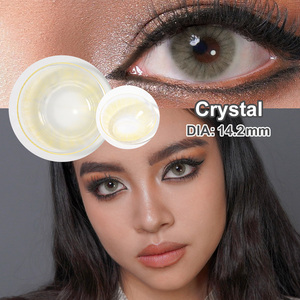
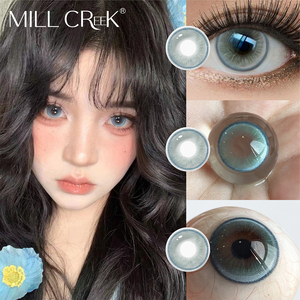
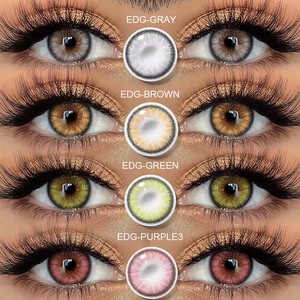
From subtle European-blended iris patterns to high-opacity cosplay, mini-sclera, and theater lenses developed by optical stylists.
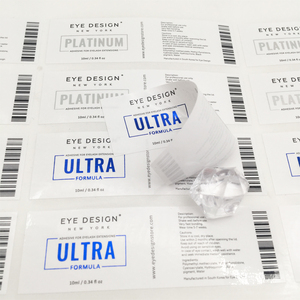
In-house printing of blisters, glass vials, custom FSC paper boxes, and sterile accessory kits with multi-lingual label localization.
Direct technical answers regarding regulatory clearance, order logistics, formulations, and small-batch OEM programs.
Our small-batch OEM pilot program begins at just 100 pairs per design. This enables start-ups, opticians, and established brands to test regional market reception, evaluate packaging styles, and obtain real-world clinical user feedback before committing to high-volume bulk runs (5,000+ units).
We implement a strict 3-layer sandwich encapsulation protocol. The cosmetic color patterns are embedded internally between two distinct layers of medical-grade hydrogel polymers. The pigment layer is completely sealed and never touches the cornea or palpebral conjunctiva. Each batch passes swab and abrasion friction tests under magnification.
Yes. Non-corrective cosmetic colored contact lenses fall under Annex XVI of Regulation (EU) 2017/745. We supply our B2B partners with comprehensive manufacturer-side technical dossiers: ISO 13485 certificates, Device Master Files (DMF), biocompatibility reports (ISO 10993), stability test data, and localized Instructions for Use (IFU) templates.
We support all primary replacement schedules: 1-Day (daily disposable blisters), 1-Month (monthly disposable blisters), 3-Month (quarterly), and 1-Year (sealed medical glass vials). Additionally, we manufacture clear prescription corrective lenses, astigmatic torics, mini-sclera (17.0mm), and full sclera (22.0mm) specialty theatrical optics.
Absolutely. We provide end-to-end bespoke packaging production, including FSC-certified recyclable paper cartons, multi-lingual outer carton printing (German, English, French, Spanish, Arabic), medical-grade aluminum blister foil heat sealing, UDI-compliant barcode generation, and legal manufacturer/authorized representative (EC REP) layout integration.
Initiate your project with China’s premier certified contact lens manufacturer. Connect directly with our clinical engineering and regulatory export team to receive sample packs, factory auditing dossiers, and tiered wholesale quotes.
Get a Quote