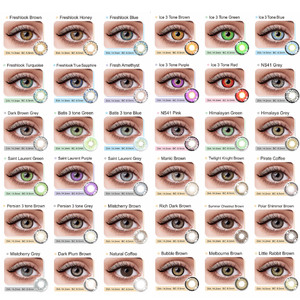
High-Velocity Sourcing Line
Featured OEM/ODM Cosmetic Contact Lenses & Packaging
Engineered inside cleanroom environments with full bio-compatibility verification. Explore our high-demand ready-to-scale catalog items for international private labels and retail groups.
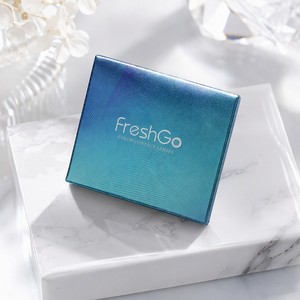
Contact Lens Packaging Box Custom Art Paper Logo Printed OEM ODM Design
Contact Lenses Clear Prescription Myopia With Power High Quality 40% Water HEMA
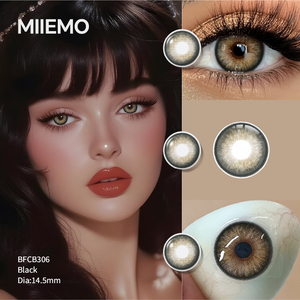
DSC Factory Soft Color Eye Lenses 6 Month Use HD Series Colored Contact Lenses
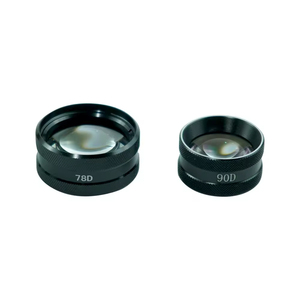
Ophthalmic Aspheric Contact Lens 20D 78D 90D Wide Field Retina Examination
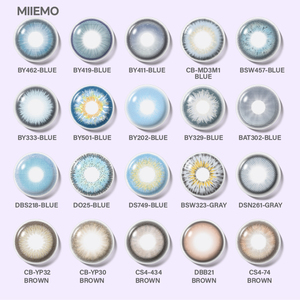
2026 Best Selling Colored Contact Lenses Soft Natural Eye Lenses ISO Certified 38% Water
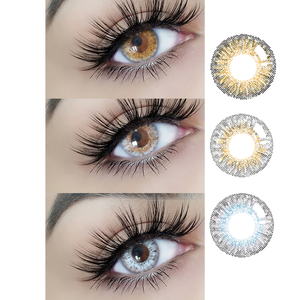
Private Label Meetone 3 Tone Colored Contacts Paper Box Wholesale Custom Packaging
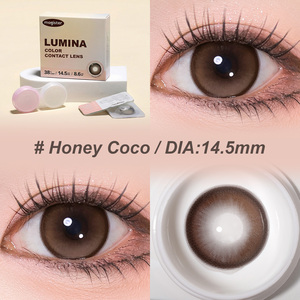
Full Color Printed Magister Lumina Colored Contact Lenses 6 Months 14.5mm Eye Lens
500+
Proprietary Iris Color Patterns
100 Pairs
Flexible OEM Minimum Order Quantity
ISO 13485
Full Medical Cleanroom Standard
MDR Ready
Annex XVI EU Compliance Dossiers
Manufacturing Excellence
Industrial Benchmarking: Why Tier-1 Contact Lens Brands Partner With Us
An inside look at biomedical cast-molding, multi-layer pigment encapsulation, and how cleanroom automation sets the gold standard for optical safety and wear comfort.
In the high-precision ophthalmology and cosmetic beauty landscape, producing contact lenses is not merely a plastic moulding job; it is the precision engineering of class II/III medical devices. As a premier China cosmetic contact lens factory, Miomiconlens Technology Co., Ltd. bridges the gap between high-fashion aesthetics and rigorous medical device quality controls. International brands, ophthalmic chains, and digital-native indie beauty labels face major challenges when selecting a contract manufacturer: pigment leaching, batch-to-batch edge variation, corneal hypoxia, and stringent regulatory barriers like EU MDR (Regulation EU 2017/745 Annex XVI) and US FDA clearances.
Our production facilities utilize automated sub-micron precision cast-molding systems alongside double-sided sandwich printing technologies. Unlike inferior color contact lenses where color pigments are printed directly onto the outer lens surface—posing severe risks of micro-abrasions to the corneal epithelium—our specialized process embeds medical-grade colorants safely inside an inert poly-HEMA or silicone hydrogel matrix. This ensures zero direct pigment contact with ocular tissues, preserving full lens lubricity, oxygen permeability (Dk/t), and physiological safety over long wear cycles.
Furthermore, each manufacturing batch undergoes comprehensive batch-traceable quality verification. Automated laser vision systems examine 100% of the lens edges to remove peripheral burrs, ensuring optimal tear exchange beneath the lens skirt and preventing foreign body sensations. From raw monomer purification to optical power verification and high-temperature autoclave sterilization, our turnkey operations provide brands with unprecedented manufacturing stability.
Pigment Sandwich Encapsulation
Color pigments are hermetically sealed inside the hydrogel polymer layer, eliminating ocular pigment migration risks and ensuring all-day wetness and safety.
Corneal Friction Index < 0.015Micro-Precision Cast Molding
Automated cleanroom mold stations craft smooth, consistent aspheric contours and rounded edges, promoting steady tear replenishment and reduced ocular fatigue.
Standardized Edge Thickness ±0.005mmTurnkey OEM & Packaging Studio
From custom 14.0mm–14.5mm iris design files to luxury FSC-certified paper folding cartons, customized blister foil sealing, and multi-language IFU inserts.
Low-Barrier MOQ: 100 Pairs/Design
Industry Forecasting
Future Procurement & Product Evolution Trends (2026–2030)
How evolving cosmetic trends, shifting consumer wear habits, and international compliance requirements are changing global contact lens sourcing strategies.
Shift Towards Daily Disposables
While monthly and half-year replacement lenses remain dominant in volume-sensitive emerging markets, premium Western and Tier-1 Asian demographics are shifting to 1-Day daily disposable colored lenses. Brands must align production around high-yield cast-molding lines to keep unit costs competitive.
Hybrid Silicone Hydrogel Penetration
Traditional poly-HEMA formulas are being augmented by silicone hydrogel polymer compounds. With Dk/t values exceeding 80–100, silicone hydrogel colored contacts reduce hypoxic redness, meeting consumer demands for comfortable 12+ hour daily cosmetic wear.
Stricter Global Regulatory Auditing
Cosmetic lenses without optical correction are now classified under Annex XVI of Regulation (EU) 2017/745 (EU MDR), subject to full medical device scrutiny. Sourcing partners must maintain unannounced factory audit compliance, UDI labeling readiness, and validated clinical evaluations.
Procurement Intelligence
Frequently Asked Sourcing & Compliance Questions
Clear, definitive technical and commercial answers directly from our factory engineering team.
What are the exact MOQ parameters for OEM custom contact lens patterns? +
For existing catalog models with our validated tooling (over 500+ designs including 1-tone, 2-tone, 3-tone, and sclera patterns), our small-batch OEM program starts at just 100 pairs per design. For completely custom iris graphics, bespoke base curves, or non-standard diameters (e.g., 14.8mm or 22.0mm full sclera), mold tooling creation requires an MOQ of 1,000 to 5,000 pairs depending on the lens geometry and replacement schedule.
How does your factory ensure compliance with EU MDR Annex XVI and US FDA? +
Our operations function under an accredited ISO 13485 medical device quality management system. For the European market, we maintain technical dossiers aligned with Regulation (EU) 2017/745 Annex XVI (non-corrective colored contact lenses). We provide full chemical bio-compatibility reports (cytotoxicity, ocular irritation, systemic toxicity), biological risk evaluations, stability validation, and print-ready UDI barcode documentation for Authorized Representatives (EC REP).
What printing technologies are applied to prevent pigment toxicity? +
We deploy proprietary cast-molding sandwich technology. Medical-grade colorants (iron oxides, titanium dioxide, phthalocyanine dyes) are suspended and cross-linked between the base hydrogel curve and front lens curve before UV curing and thermal polymerization. This process locks pigments firmly inside the matrix, with no contact with the eye surface or inner eyelid.
Can you support customized secondary packaging and localized labeling? +
Yes. We offer fully custom OEM/ODM packaging services. This includes multi-lingual instructions for use (IFU), serialized lot and expiration thermal printing, GS1-compliant DataMatrix or UDI barcoding, glass vial sealing, polypropylene blister pack sealing, and luxury rigid packaging boxes designed to meet European LUCID/VerpackG and global eco-packaging standards.
What is the standard production timeline from sample confirmation to delivery? +
Physical proofing and pre-production color matching samples typically require 7 to 10 business days. Upon sample sign-off and packaging design finalization, standard OEM batch production ranges from 25 to 35 calendar days. Shipments are handled via express air freight (DAP/DDP) or ocean logistics, complete with full customs clearance support and certificates of analysis (COA) for every lot.
Launch Your Private Label Cosmetic Lens Collection
Consult with our biomedical production specialists. We review custom color charts, discuss small-batch minimum order quantities, and outline technical dossiers to streamline your brand rollout.