ISO Certified
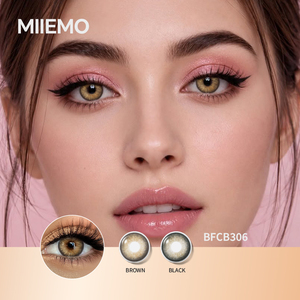
Engineered with micro-encapsulated pigment entrapment, multi-curve optical edging, and high moisture retention for unmatched wearability and vibrant aesthetics.
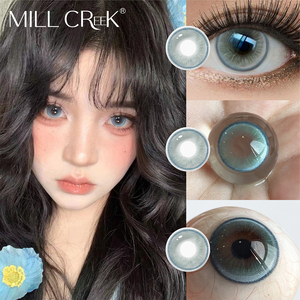
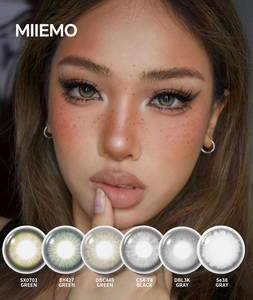
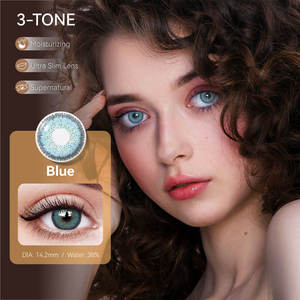
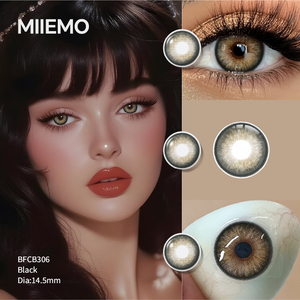
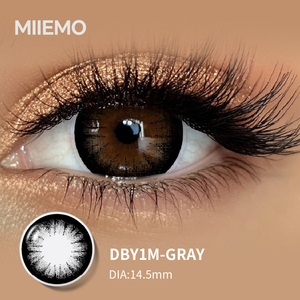
A technical guide for category buyers, medical device importers, optical retail chains, and direct-to-consumer (D2C) brand founders.
Top-tier manufacturing facilities never apply pigments to the surface of the hydrogel. Utilizing sophisticated color entrapment technology, biocompatible pigments are sealed strictly between inner and outer hydrogel layers, preventing epithelial irritation, dye leaching, or corneal micro-abrasions while guaranteeing lasting optical color saturation.
High-volume Tier-1 exporters implement computerized automated cast molding lines operating under Class 100,000 cleanroom environments. This approach ensures consistent edge profile rounding, minimal base curve deviations (tolerance ±0.02mm), and identical hydration levels across millions of production units.
Navigating global border clearances demands certified compliance. Premier exporters maintain full technical files meeting EU MDR 2017/745 Annex XVI (cosmetic non-corrective devices), FDA 510(k), ISO 13485:2016, and national registration frameworks across the Americas, Europe, and Asia-Pacific.
Selecting an optical manufacturing partner requires rigorous operational due diligence that extends far beyond baseline unit prices. When assessing the top cosmetic contact lens factory suppliers and exporters, international brand procurement officers analyze three central technical pillars: polymer chemistry composition, optical edge geometry, and lot-level traceability. Modern cosmetic lenses are classified under stringent medical device directives in virtually every mature jurisdiction, meaning that visual beauty cannot compromise corneal ocular safety.
In traditional sourcing evaluations, factories frequently competed strictly on labor-cost advantages. However, the contemporary landscape has transitioned decisively toward precision clean-room automation. Advanced cast molding machines, coupled with online laser automated optical inspection (AOI) systems, inspect 100% of finished lenses for edge tears, foreign particulate inclusion, and pinhole color voiding before secondary sterilisation. Working with an export supplier possessing in-house blister thermoforming, vacuum sealing, and high-temperature steam autoclave sterilisation lines is the foundation for safeguarding consumer safety and defending private-label retail integrity.
Understand the commercial dynamics, material revolutions, and supply chain adjustments transforming B2B lens procurement.
Global demand is rapidly shifting away from annual lenses toward daily disposable (1-Day) cosmetic lenses. Driven by heightened consumer awareness regarding microbial keratitis prevention and zero-maintenance convenience, premium distributors are expanding their daily SKU portfolios, driving higher replenishment and recurring revenue.
While poly-HEMA remains the global workhorse material for color stability and manufacturing yields, the integration of Silicone Hydrogel (SiHy) formulations is accelerating. Offering vastly superior oxygen permeability (Dk/t > 80), SiHy cosmetic lenses allow brands to command medical-grade price premiums in North American and EU retail pharmacies.
Modern cosmetic contact lens brands operate on dynamic, trend-responsive product drops. Instead of committing to 50,000-pair static MOQs, agile buyers require small-batch OEM programs starting at 100 to 500 pairs per SKU, facilitating rapid consumer feedback testing and localized packaging runs.
The coming decade will blur the boundaries between decorative beauty wear and ophthalmic health monitoring. Pilot manufacturing programs are already integrating biocompatible UV-blocking filters (Class 1 & Class 2 UV blocking) into hydrogel polymer matrix formulations, protecting sensitive ocular tissues from harmful UVA and UVB radiation without affecting visual color fidelity. Furthermore, phototropic transition pigments and selective blue-light attenuation filters are entering commercial trials across leading OEM facilities.
Simultaneously, digital printing techniques are revolutionizing the iris design phase. High-definition multi-nozzle micro-jet color deposition enables intricate 4-tone, 5-tone, and natural limbal ring designs that adapt dynamically across both dark brown and pale blue corneas. This micro-dot dispersion delivers an authentic blending depth that avoids the unnatural "flat painted" look common in older low-cost manufacturing technologies.
Leveraging deep industrial engineering, certified cleanrooms, and comprehensive brand packaging support to accelerate your brand's growth.
Access our vast library of patented iris patterns, including natural brown enhancers, striking hazel, glacial blues, vivid cosplay hues, and custom limbal ring geometries.
Full-service turnkey packaging capabilities including sterile glass vials, PP blister packs, foil seal heat-stamping, and multilingual retail folding cartons.
Receive physical pre-production prototype color samples within 7 business days, accompanied by full spectrophotometer color matching and dimensional reports.
Complete export customs clearing assistance, providing door-to-door DDP air freight shipments directly into EU, North American, and Asian fulfillment centers.
Every batch produced in our facilities complies with rigorous medical device tolerances:
| Parameter | Standard Specification | Quality Inspection Method | Clinical Benefit |
|---|---|---|---|
| Base Curve (BC) | 8.50mm – 8.90mm (±0.02mm) | Laser Holographic Profilometer | Optimal centration, eliminates slippage |
| Diameter (DIA) | 14.0mm – 14.5mm (Enlarging & Natural) | High-Resolution Vision System | Aesthetic enlargement without limbus pinching |
| Water Content | 38% – 42% (Hydrogel) / 45%+ (SiHy) | Gravimetric Hydration Oven Analysis | All-day moisture, low evaporation rate |
| Pigment Sealing | Zero Surface Rub-Off (Sandwich Layer) | Organic Solvent Ultrasonic Rub Testing | Zero dye leaching, corneal epithelium safety |
| Center Thickness | 0.06mm – 0.08mm (-3.00D equivalent) | Electronic Micrometer Depth Gauge | High oxygen diffusion, natural comfort |
Crucial commercial, technical, and regulatory clarifications address everything you need to know before issuing your first factory purchase order.