Best-Seller
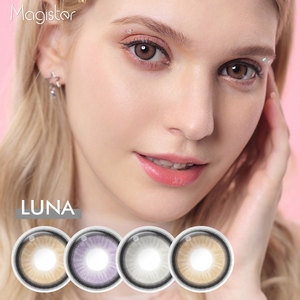
Explore our market-ready colored formulations, clinical prosthetic solutions, diagnostic lenses, and eco-certified packaging systems designed for global white-label scalability.
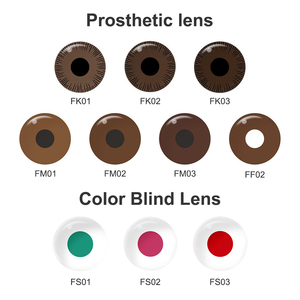
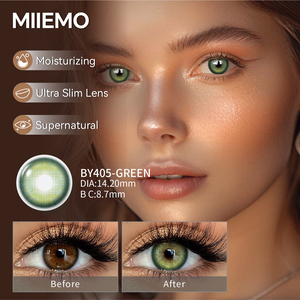
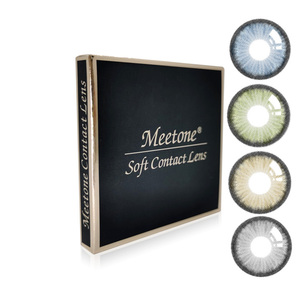
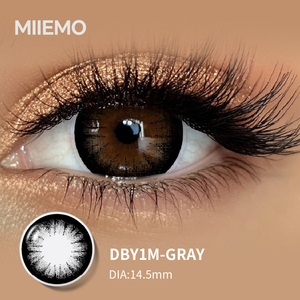
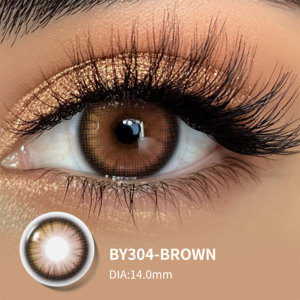
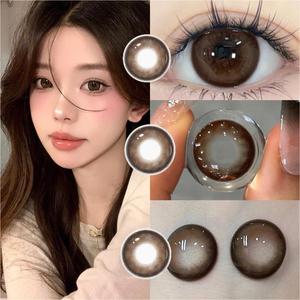
The global contact lens landscape has shifted decisively from monolithic contract manufacturers toward agile, high-precision original equipment manufacturers (OEMs) and original design manufacturers (ODMs). When institutional optical buyers, emerging Direct-to-Consumer (D2C) brands, and European medical distributors vet the top 10 private-label contact lens factories across Asia and Europe, the operational benchmark is no longer raw unit cost. Instead, modern commercial evaluation hinges on Pigment Encapsulation Bio-Safety, Automated Cast-Molding Yields, and MDR Annex XVI Regulatory File Readiness.
Whether auditing production ecosystems in Germany, South Korea, Taiwan, or mainland China, contract manufacturing decisions require balancing rapid market iteration against strict regulatory guardrails. The following comparative matrix outlines the operational capabilities defining industry-leading contact lens suppliers in 2026 and beyond.
| Tier Classification | Primary Manufacturing Tech | Typical MOQ Constraints | Regulatory & Technical Dossiers | Best Fit Brand Profile |
|---|---|---|---|---|
| Tier-1 Agile OEM/ODM (e.g., Miomiconlens) | High-precision Cast-Molding, Multi-layer Sandwich Embedment | Flexible: 100 to 500 pairs per SKU | ISO 13485, CE (MDR Annex XVI Ready), FDA 510(k), NMPA, MFDS | D2C Disruptors, Specialty Optical Chains, German & EU Importers |
| Legacy Global Conglomerates | High-speed Continuous Automated Wet-Casting | Massive: 50,000+ units per SKU | Comprehensive Global Cleared Platforms | Multinational Pharmaceutical & Mass-retail Brands |
| Regional Lathe-Cutting Labs | Computerized CNC Lathe-Cutting & Spin-Casting | Low (Custom single-piece) | Local Market Approvals / Custom Medical Device | Specialized Prosthetic & Scleral RGP Prescriptions |
| Low-Cost Commodity Converters | Pad Printing surface application | High MOQ / Rigid SKU catalogs | Regional Basic Clearance Only | Fast-fashion Cosplay & Unregulated Channel Traders |
Structural transformations reshaping supply chains, raw material formulations, and European regulatory barriers for brand owners.
Cosmetic colored lenses without corrective power are strictly regulated under Annex XVI of Regulation (EU) 2017/745. European buyers can no longer import generic cosmetic lenses without ISO 13485 quality systems, rigorous clinical evaluation reports (CER), biocompatibility certifications (ISO 10993), and authorized European Representative (EC REP) dossiers.
Forward-thinking brands are shifting away from traditional 10,000-unit minimum commitments toward flexible 100-pair private-label batch runs. This agile manufacturing model mitigates dead inventory risks, enabling fashion-forward brands to test seasonal shades, three-tone gradient matrices, and limbal ring profiles with immediate time-to-market.
With regulations like Germany's Verpackungsgesetz (VerpackG / LUCID) and EU EPR mandates, private label buyers require recyclable aluminum blister foils, bio-based polypropylene shells, and biodegradable FSC art paper boxes. Minimizing single-use plastics is becoming a non-negotiable procurement standard across Western markets.
The soft contact lens industry is entering a new era of polymer science and biomimetic hydration. Contract manufacturers that lead the market focus heavily on resolving end-of-day dryness, hypoxia-induced corneal stress, and mechanical eyelid friction.
While poly-HEMA remains popular for colored cosmetics due to its dye retention, third-generation silicone hydrogel composites (yielding Dk/t values above 80–120) are becoming standard. These formulations deliver exceptional oxygen transmissibility, allowing extended wear without compromising optical clarity.
Advanced multi-cavity cast molding technology produces micro-engineered edge contours. Compared to chisel or squared edges, a beveled round edge maximizes tear exchange across the cornea, prevents epithelial indentation, and guarantees seamless blink dynamics.
State-of-the-art color encapsulation locks non-toxic organic micro-pigments between two transparent polymer layers. This ensures the color matrix never touches sensitive conjunctival or corneal tissues, effectively eliminating pigment leaching and friction-induced abrasions.
Engineered to bridge clinical safety with commercial speed. We support international brand owners with reliable white-label and bespoke ODM solutions.
Operated under strict Class 100,000 cleanroom environments. Validated sterile production backed by full traceability across every production lot.
Extensive catalog of proven European and global eye color shades: subtle natural blends, three-tone limbal rings, and striking cosplay styles.
Bilingual label printing, complete UDI barcode integration, certified IFU documentation, and verified compliance for European import regulations.
Reliable door-to-door delivery with cleared customs paperwork, verified incoterms, and temperature-controlled air freight routing directly to your distribution center.
Direct answers to the most common questions raised by brand managers, compliance officers, and international buyers.
Through our agile small-batch OEM program, initial pilot orders start from just 100 pairs per design for stock catalog shades. For custom proprietary color patterns, custom base curves, or fully customized outer packaging, initial MOQs generally start at 500 to 1,000 units, making market testing practical and cost-effective.
Cosmetic colored lenses fall squarely under Annex XVI of Regulation (EU) 2017/745. We provide full manufacturer-side technical files, ISO 13485:2016 audit records, biological safety evaluations (cytotoxicity, sensitization, ocular irritation), stability testing reports, and sterilization validation documentation to fully support your EU importer and notified body audits.
Yes. We support custom secondary packaging solutions, including localized box formats, blister foil printing, and multilingual patient information leaflets. This includes German, French, Spanish, and Italian translations with dedicated fields for Unique Device Identification (UDI) barcodes, batch/lot numbers, manufacturing dates, and authorized representative data.
Our cast-molding and lathe-cutting capabilities cover daily disposables, monthly modalities, quarterly cycles, and annual replacement options. Optics parameters span plano (0.00) cosmetic lenses, standard spherical myopic corrections (-0.50D to -10.00D), hyperopic options, and specialized prosthetic and scleral diameters (up to 22.0mm).
Sandwich printing encapsulates organic and inorganic colorants completely inside the polymer matrix. Because the printed pigment never touches the cornea or eyelid margins, the lens maintains a smooth optical surface profile, prevents pigment degradation, and protects the wearer from toxicity or surface irritation.
Pilot batch runs using pre-existing ODM tooling typically require 10 to 15 working days. Tailored OEM projects—involving custom color matrix formulation, primary blister foil tooling, and localized carton production—are usually completed within 25 to 35 working days, followed by air freight delivery directly to your facility.
Connect directly with our engineering and regulatory affairs team. Request physical sampling kits, complete technical dossiers, factory audits, or private label quotations customized to your market requirements.