Engineered For Scale: Featured OEM & ODM Lens Series
From everyday cosmetic hydrogel optics to custom theatrical prosthetics and ophthalmic diagnostic glass lenses, our cleanroom-produced catalog delivers batch reproducibility, superior edge profilometry, and global regulatory compliance.
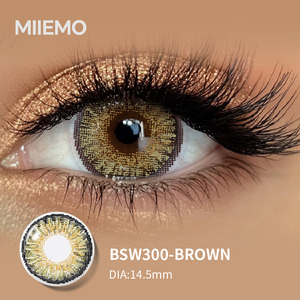
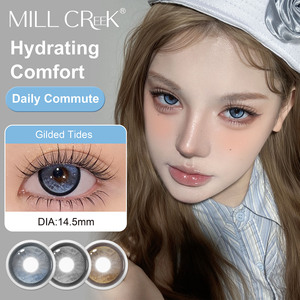
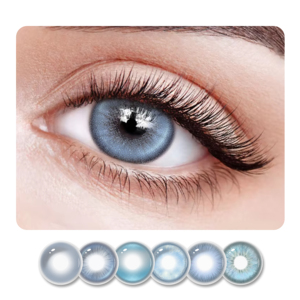
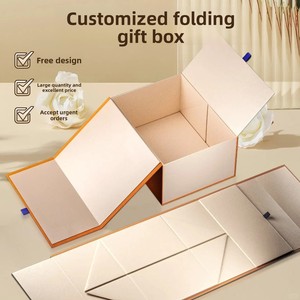
Why Premier Optical Brands Partner With Our Factory
Combining bio-compatible polymer synthesis, sub-micron cast molding, and regulatory lifecycle support to de-risk brand scaling from pilot test runs to multi-million blister container contracts.
Sub-Micron Pigment Encapsulation
Our signature "Sandwich" pigment isolation locks organic bio-compatible pigments between inert layers of hydrogel/silicone-hydrogel polymer, ensuring zero direct corneal or conjunctival dye contact.
- Zero chemical dye leaching under friction testing
- Ultra-smooth anterior/posterior surface profilometry
- True optical transparency over pupil apertures
Cast-Molding Edge Geometries
Utilizing ultra-precise cast-molding automated dies, every lens features a rounded bevel edge design that optimizes tear exchange during natural blinking cycles, drastically reducing end-of-day dryness.
- Uniform radial thickness profile (±0.005mm tolerance)
- Balanced water content equilibrium (38% to 58%)
- Optimized base curves (8.5mm - 8.6mm standard fit)
Full Regulatory Dossier Support
We provide complete manufacturer-side technical files, ISO 13485:2016 audit trail documentation, biocompatibility profiles (ISO 10993), stability validation, and German/EU MDR Annex XVI compliant labeling.
- UDI-DI / UDI-PI coding integration on all packaging
- VerpackG / LUCID packaging weight disclosures
- Pre-audited CE mark & FDA 510(k) pathway archives
Engineering Excellence in Contact Lens OEM/ODM Contract Manufacturing
The global contact lens market has evolved decisively beyond static vision correction into an integrated intersection of cosmetic dermatology, elective color aesthetics, and specialized optical therapy. Modern consumers and optical dispensaries demand visual clarity paired with hyper-natural chromatic realism and continuous oxygen transmission. For distributors, private-label brands, and clinical optical groups, selecting an OEM/ODM manufacturing partner represents the single most critical determinator of long-term commercial viability and regulatory immunity.
As an authoritative contact lens factory, our facility operates Class 100,000 (ISO Class 7 equivalent) cleanrooms driven by precision cast-molding platforms. Unlike antiquated lathe-cutting processes that introduce micro-irregularities along the peripheral lens flange, high-speed automated cast molding polymerizes hydrophilic monomers (including Hydroxyethyl Methacrylate - HEMA, Methacrylic Acid - MAA, and novel Silicone Hydrogel compositions) directly within micro-tooled steel and quartz mold inserts. This process ensures absolute reproducibility down to sub-micron tolerances across millions of commercial units.
B2B Engineering Fact: The corneal epithelium relies exclusively on atmospheric oxygen dissolved within the pre-corneal tear film. Inferior cosmetic lenses manufactured via surface pad-printing expose raw pigment to ocular tissue and severely throttle oxygen permeability (Dk). Our proprietary multi-layer sandwich casting technique encapsulates color layers inside the lens matrix, preserving a continuous oxygen transmissibility rating (Dk/t) that exceeds international ophthalmic standards for daily and frequent-replacement wear.
OEM vs. ODM Production Matrix: Selecting the Optimum Route for Market Entry
Sourcing decision-makers must balance speed-to-market against proprietary intellectual property creation. Our manufacturing infrastructure is partitioned into two responsive models designed to support brand development at various organizational stages:
| Evaluation Parameter | ODM (Original Design Manufacturer) | OEM (Original Equipment Manufacturer) | Hybrid Small-Batch OEM |
|---|---|---|---|
| Primary Target | Rapid market rollout, e-commerce brands, test collections | Established retail chains, optometrist brands, clinical groups | Independent boutiques, seasonal FX lines, start-up labels |
| Iris Pattern IP | Select from 500+ factory-developed validated patterns | 100% custom proprietary dot patterns and color blends | Factory pattern with bespoke branded primary/secondary packaging |
| Minimum Order Quantity (MOQ) | Low MOQ (From 50 – 100 pairs per SKU) | Standard industrial batch (1,000 – 5,000 pairs/SKU) | Flexible entry (From 100 pairs/SKU with customized boxes) |
| Tooling & Sampling Time | Zero tooling cost; physical samples in 3 – 5 business days | 4 – 8 weeks for custom mold steel and print plates | 1 – 2 weeks for packaging die-cut & catalog sample pack |
| Regulatory Technical File | Pre-validated factory CE / FDA / ISO 13485 documentation | Tailored dossier aligned with client’s specific trade name | Modular compliance file ready for regional EU importer review |
Future Procurement Trends in the B2B Contact Lens Wholesale Sector
Procurement directors navigating 2026 and the decade ahead face shifting consumer habits and heightened regulatory scrutiny. Understanding these four mega-trends is crucial for maintaining resilient inventory turnover and capturing margin gains:
1. The Accelerating Migration Toward Daily Disposable Modalities
While annual and quarterly replacement cycles remain economically viable in budget-conscious and specialty cosmetic segments, the European and North American markets are witnessing a systemic shift toward daily disposable (1-Day) modalities. Driven by clinical recommendations targeting Acanthamoeba keratitis reduction and end-of-day comfort, daily blister-pack formats eliminate the compliance burden of chemical disinfectant solutions. Wholesalers must diversify their portfolios by partnering with factories offering automated high-volume blister packaging alongside classic borosilicate glass vial options.
2. Silicone Hydrogel (SiHy) in Cosmetic Tint Formulations
Historically, color lenses have relied on conventional poly-HEMA hydrogel materials due to the complex surface-energy challenges of binding colored pigments within silicone polymers. Recent polymer innovations pioneered in our laboratory integrate wettable fluorosilicone macromers with hydrophilic side chains. This breakthrough delivers Dk ratings above 80×10-11 (cm2/sec)(ml O2/ml × mmHg) without sacrificing print vibrancy, ushering in an era of ultra-breathable aesthetic lenses suitable for prolonged 14-hour daily wear.
3. Micro-Dot Spatial Chromatic Blending
Early-generation cosmetic lenses featured heavy limbal rings and opaque concentric pixel arrays that appeared artificial under natural sunlight. Contemporary luxury beauty buyers expect "hyper-natural" chromatic transition. Using multi-tone micro-dot matrix printing, modern designs replicate human iris crypts, contraction furrows, and collarette gradients. This micro-fine dispersion enables natural eye colors—from dark melanic brown to pale hazel—to blend organically with grey, sky blue, or honey pigments.
4. Packaging Sustainability and Circular Sourcing Mandates
Packaging compliance has transitioned from a peripheral CSR consideration to an absolute prerequisite for market entry. Under statutory frameworks such as Germany's Verpackungsgesetz (VerpackG / LUCID), wholesalers and importers face severe administrative penalties for non-compliant secondary packaging. Leading OEM operations now utilize FSC-certified folding paperboards, minimize blister foil gauge thickness, and eliminate unnecessary secondary plastic wrappers without compromising hermetic seal integrity during terminal autoclave sterilization.
Ophthalmic Diagnostic Optics & Specialized Clinical Manufacturing
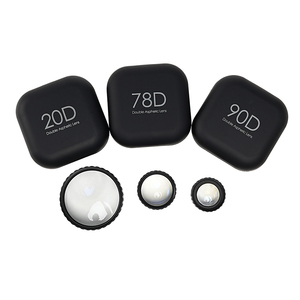
Beyond consumer cosmetic and refractive contact lenses, precision optical manufacturing extends into clinical ophthalmic diagnostic accessories. As demonstrated in our product portfolio (such as the High Accuracy Multi-Selective Lenses Optical Specialized Professional Lenses RS 20D, 78D, and 90D), high-index optical glass components require surface figure accuracies measured in fractional wavelengths (λ/4). These non-contact slit-lamp lenses incorporate broadband anti-reflective multi-coatings to maximize retinal visualization during indirect ophthalmoscopy. By maintaining dedicated manufacturing divisions for both soft polymer hydrogels and high-precision clinical optics, our factory provides enterprise distributors with single-source supply chain synergy across consumer eye care and ophthalmic clinical instrumentation.
Frequently Asked Questions for B2B Sourcing
Clear, technically verified answers addressing minimum order volumes, regulatory dossiers, packaging customizations, and international freight logistics.
Accelerate Your Contact Lens Brand With a Direct Factory Partner
Access our complete wholesale price matrix, high-resolution physical color swatch catalog, compliance documentation binders, and customized OEM packaging dielines. Connect directly with our ophthalmic engineering and export team today.