Wholesale Custom Contact Lenses & Packaging Systems
Explore our export-certified optical range engineered with 3-layer sandwich pigment isolation, ultra-hydrated biocompatible hydrogels, and customized eco-friendly packaging solutions.
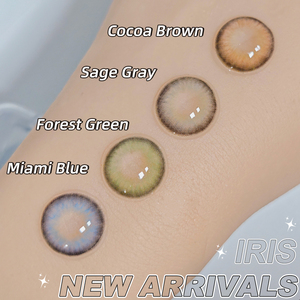
Freshgo Cosmetic Colored Contacts 1-Year Natural Eye Lenses
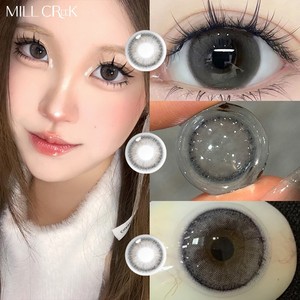
Lentes De Contacto Soft Yearly Colored Pupilentes Wholesale
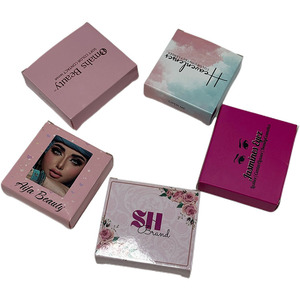
Custom Eye Lens Rigid Paper Packaging Box for Private Label
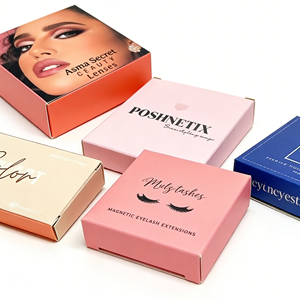
Eco-Friendly Sustainable Contact Lens Packaging Paper Box
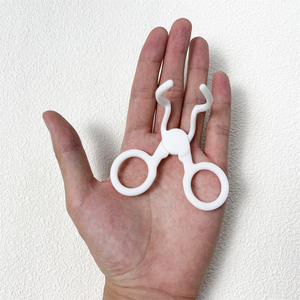
Ergonomic Beginner Contact Lens Inserter & Removal Aid Tool
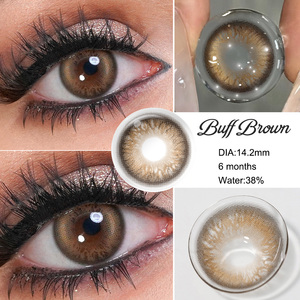
MAGISTER Optical Prescription Colored Contacts (-0.00 to -8.00)
Meetone Color Series Private Label OEM Contact Lens Program
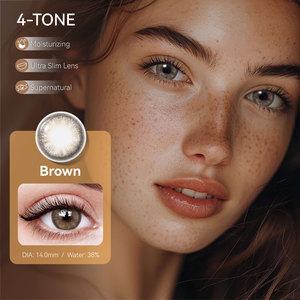
MIIEMO High-Definition Fashion Contact Lenses Factory Direct
The Science of Modern Contact Lens Fabrication in China
In-depth technical analysis for optical procurement officers: evaluating material biocompatibility, polymer oxygen transmissibility, automated cast molding, and three-layer sandwich pigment isolation.
Over the past decade, the contact lens manufacturing sector in China has undergone an unprecedented technological renaissance. Moving far beyond entry-level spin-casting methodologies, modern cleanrooms operate under stringent Class 100,000 (ISO Class 8) and Class 10,000 (ISO Class 7) microenvironments. As international regulatory bodies such as the US FDA (21 CFR Part 820) and the European Union Medical Device Regulation (EU MDR 2017/745 Annex XVI) intensify their compliance expectations, Chinese original equipment manufacturers (OEMs) and original design manufacturers (ODMs) have elevated their automated production lines to meet the highest global standards.
Material Formulation: Hydrogel vs. Silicone Hydrogel Matrix
When engineering custom cosmetic or corrective lenses for private label brands, material selection directly determines consumer comfort, tear film exchange, and regulatory pathways. Hydroxyethyl methacrylate (HEMA) copolymerized with N-Vinylpyrrolidone (NVP) offers balanced equilibrium water content (38% to 45%) combined with superior mechanical toughness, making it the preferred formulation for 1-month and 1-year wear modalities. For extended daily wear, second- and third-generation fluorosilicone hydrogel (SiHy) formulations provide enhanced oxygen permeability (Dk/t exceeding 80–120 Fatt units), maintaining aerobic corneal metabolism during prolonged digital screen use.
| Parameter / Specification | Standard Hydrogel (Cosmetic Series) | Advanced SiHy (Extended Wear) | Corrective Myopia (MAGISTER Series) |
|---|---|---|---|
| Polymer Matrix | Poly-HEMA + NVP + EGDMA Crosslinker | Fluoro-Silicone Macromer + DMA | Purified Hydroxyethyl Methacrylate |
| Water Content (%) | 38% – 42% (Optimal tear retention) | 48% – 55% (High hydrophilic balance) | 40% ± 2% |
| Oxygen Transmissibility (Dk/t) | 20 – 28 Fatt units (-3.00D @ 35°C) | 85 – 130 Fatt units | 25 – 32 Fatt units |
| Base Curve (B.C.) | 8.50mm – 8.70mm (±0.05mm tolerance) | 8.60mm | 8.50mm / 8.60mm |
| Diameter Range (DIA) | 14.0mm to 14.5mm (Cosmetic enlarging) | 14.0mm to 14.2mm | 14.0mm – 14.2mm |
| Center Thickness (CT) | 0.06mm – 0.08mm (-3.00D) | 0.07mm – 0.09mm | 0.065mm (-3.00D standard) |
| Pigment Isolation | Micro-encapsulated dual-layer sandwich | Polymerized enclosed interlayer | Sub-micron embedded matrix |
| Sterilization Standard | High-pressure moist heat (121°C, 30 min) | Validated Autoclave / ISO 17665 | Terminal Steam Sterilization |
Automated Cast-Molding & Edge Profile Geometries
The micro-geometry of a contact lens edge determines the comfort profile upon initial lens insertion and throughout 12+ hours of wear. Substandard manufacturers cut costs by utilizing multi-cavity injection molds beyond their qualified lifespans, creating microscopic edge burrs that trigger foreign body sensations and conjunctival hyperemia. Our partner cleanrooms utilize diamond-turned optical grade polypropylene (PP) single-use molds. Each mold is automatically injected with precise monomer volumes via micro-metering pumps before undergoing ultraviolet and thermal cure polymerization.
This automated cast-molding system produces a rounded chisel-edge geometry that facilitates natural lacrimal tear exchange across the cornea with every blink. Post-hydration optical scanners (utilizing phase-shifting interferometry) inspect 100% of finished lenses for edge symmetry, refractive power deviations, optical clarity, and cosmetic print alignment, discarding any batch exceeding an Acceptable Quality Limit (AQL) of 0.65 for major defects.
Why Tier-1 Importers Source Contact Lenses With Us
From flexible small-batch sampling to multi-million unit monthly production schedules, our integrated facility bridges Chinese manufacturing cost advantages with European and American regulatory compliance.
Full Regulatory Audit Readiness
We maintain comprehensive technical documentation files aligned with EU MDR (Regulation 2017/745), US FDA 510(k), NMPA Class III, and ISO 13485:2016 quality management systems. Importers receive lot-specific Certificates of Analysis (COA) and sterility test reports with every single shipment.
500+ Ready Iris Designs & Rapid ODM
Bypass extensive design lead times with our expansive catalog of over 500 validated iris patterns. From natural European Hazel, Nordic Aqua, and Latin Honey blends to enlarging Asian doll-eye limbal rings and vibrant anime theatrical styles, our patterns are optimized for dark and light irises.
Agile Low MOQ Program (From 100 Pairs)
We lower market barriers for boutique e-commerce founders and independent opticians. Start testing new commercial colored lens lines with low minimum order quantities starting at just 100 pairs per SKU, scaling to tens of thousands of units effortlessly as sales velocity proves out.
Custom Tooling & Precision Packaging OEM
Elevate your unboxing experience with full-custom packaging solutions. We provide rigid premium paper boxes, FSC-certified eco-friendly cartons, serialized blister packs, sterile glass vials, and multilingual instructions for use (IFU) formatted with unique device identification (UDI) barcodes.
End-to-End Sterile Supply Chain
Every batch undergoes automated saline filling, nitrogen purging, high-barrier aluminum foil heat sealing, and computer-controlled autoclave sterilization. Our automated stability testing chambers guarantee an uncompromised 5-year shelf life under varying climatic transport conditions.
Dedicated Global B2B Logistics Support
Navigating medical device customs requires precision documentation. We handle DAP, DDP, and CIF shipping with pre-cleared customs documentation, hazardous material declarations (saline non-hazmat), MSDS, and direct air freight partnerships to North America, Europe, Southeast Asia, and Latin America.
Strategic Procurement Trends Shaping the Contact Lens Industry (2025–2030)
How progressive eyewear brands and optical wholesalers are reconfiguring their procurement strategies to capture high-margin cosmetic and functional segments.
The Shift from Annual to Daily Disposable (1-Day) Modalities
While yearly contact lenses remain exceptionally popular in emerging e-commerce markets due to their outstanding cost-per-wear ratio, mature Western European and American markets are rapidly migrating toward daily disposables. Daily colored lenses eliminate the need for cleaning solutions and lens cases, drastically decreasing the incidence of microbial keratitis. Buyers are increasingly requesting OEM quotes for 10-pack and 30-pack daily blister cartons, necessitating higher-speed cast-molding lines and ultra-thin blister seal geometries.
Convergence of Optical Correction with Cosmetic Tinting
The boundary between vision correction and beauty aesthetics has completely dissolved. Modern consumers refuse to choose between clear visual acuity and captivating eye colors. Wholesalers are seeing explosive demand for high-diopter corrective colored lenses ranging from -0.50D down to -10.00D in 0.25D increments, as well as emerging interest in custom toric colored lenses for astigmatic correction. Manufacturers capable of maintaining precise aspheric front curves alongside multi-tone printing are capturing primary market share.
Circular Packaging & Sustainable Supply Chain Mandates
Stricter global packaging regulations—such as the German Packaging Act (VerpackG / LUCID), the EU Green Claims Directive, and US state-level EPR packaging laws—are compelling brands to scrutinize their outer packaging footprint. Wholesale buyers are phasing out single-use plastics in secondary packaging in favor of FSC-certified recyclable kraft paper, soy-based inks, and downsized polypropylene blister designs that cut shipping cube volume and carbon freight surcharges.
Stricter Traceability & Unique Device Identification (UDI)
Under EU MDR Annex XVI, non-corrective cosmetic lenses are categorized as Class IIa medical devices subject to the same clinical evaluation, post-market surveillance (PMS), and Periodic Safety Update Reports (PSUR) as prescription lenses. Global buyers must partner with manufacturers whose manufacturing execution systems (MES) automatically assign and print GS1-compliant UDI DataMatrix barcodes on both primary blisters and secondary cartons for end-to-end tracebacks.
Frequently Asked Questions for Contact Lens Importers & Wholesalers
Critical operational, regulatory, and technical questions answered by our export engineering team to de-risk your international supply chain.
?What is the standard lead time for private-label OEM custom contact lenses?
For catalog ODM designs utilizing existing approved iris print plates and standard sterile blisters, lead times typically range from 15 to 25 business days. For fully custom OEM projects requiring bespoke color pattern separation, new mold tooling, or custom structural carton printing, initial sample prototyping requires 10 to 14 days, followed by mass production runs of 30 to 45 days after artwork and pre-production sample sign-off.
?What minimum order quantities (MOQ) apply to custom colored lenses and packaging?
We provide one of the most flexible OEM tier structures in the optical industry. For existing print patterns with private-label blister packaging, our low MOQ starts at 100 pairs per design/colorway. For custom formulated color patterns or custom printed rigid presentation gift boxes, the MOQ generally begins at 1,000 to 3,000 pairs depending on the complexity of diopter distribution and packaging finishes.
?Are non-prescription (plano) cosmetic contact lenses classified as medical devices?
Yes. In virtually all major jurisdictions—including the United States (US FDA 21 CFR 886.5925), the European Union (EU MDR 2017/745 Annex XVI), Canada (Health Canada Class II), and China (NMPA Class III)—zero-power plano cosmetic lenses are legally regulated as medical devices due to direct corneal contact. Sourcing from non-certified cosmetic novelty factories puts importers at severe legal risk of customs seizures, border confiscations, and product liability claims.
?How do you guarantee that contact lens pigments will not fade or leach into the eye?
Our factory exclusively utilizes full cast-molding sandwich technology (encapsulation). The color layer is deposited onto a base monomer matrix and polymerized beneath a top clear optical protective layer. We perform accelerated chemical extraction tests (using organic solvents and saline under elevated temperatures) and evaluate lens cross-sections under high-power optical microscopy to verify that pigment migration is zero.
?Can you accommodate custom multilingual packaging and local health agency warnings?
Yes. Our regulatory and graphic production teams routinely format packaging artwork for diverse global markets. We generate outer box artwork, blister foil lidding, and Instructions for Use (IFU) leaflets in English, German, French, Spanish, Arabic, Italian, and Japanese, fully formatted with required statutory medical warning symbols (ISO 15223-1), CE mark with Notified Body four-digit ID, lot numbers, and GS1-128 or DataMatrix barcodes.
?What quality control (QC) procedures are conducted before batch release?
Each production batch undergoes rigorous five-stage QC verification: 1) Monomer purity and gas chromatography testing; 2) Post-cure optical interferometry for refractive power, base curve, and edge integrity; 3) 100% digital visual inspection for cosmetic pattern alignment and bubbling; 4) Autoclave terminal temperature profile validation; and 5) 14-day USP/EP microbial bioburden and sterility incubation assays prior to final commercial dispatch.
?What Incoterms and international shipping methods do you support?
We routinely support EXW, FOB (Shanghai/Shenzhen/Guangzhou), CIF, DAP, and DDP (Delivered Duty Paid) terms. Lenses are packaged in secure, temperature-monitored master export cartons insulated against thermal spikes. For express orders, we partner with DHL Medical Express, FedEx, and dedicated air freight logistics forwarders, providing pre-arrival import declarations to ensure smooth customs clearance.
Launch or Scale Your Private-Label Contact Lens Brand Today
Partner with an authoritative, audit-ready manufacturer. Request our latest B2B color catalog, wholesale price matrix, or custom formulation prototype support with our engineering team.
Get a Quote