High-Precision OEM Contact Lenses & Integrated Display Systems
Explore our flagship OEM product portfolio encompassing advanced cast-molded cosmetic lenses, sterile blister containment, sustainable secondary paper packaging, and point-of-sale retail merchandising architectures.
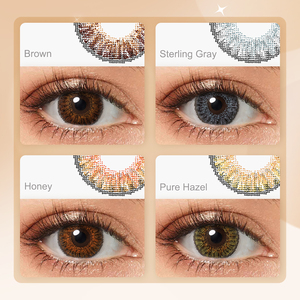
Free Shipping 3 Tone Color Contact Lenses Customized Package logo Color Contact Lenses Big Eye Color Lens Lentilles De Contact
Advanced tri-layer dot matrix pigment encapsulation providing natural iris depth, seamless limbal blending, and exceptional corneal oxygenation.
View Specifications →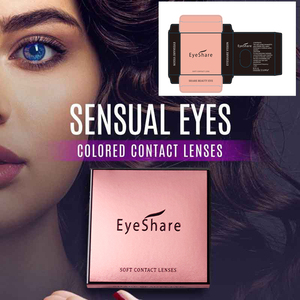
Eyeshare Natural Color Eye Contact Lens Paper Box Soft 2 Pieces Natural Cosmetic Eyewear Custom Box High Water Eye Lens
Ultra-thin edge geometry engineered for zero-friction blinking. Paired with certified pharmaceutical blister packs and retail-ready folding cartons.
View Specifications →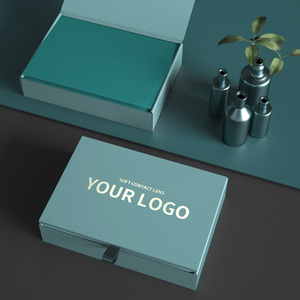
MILL CREEK Wholesale OEM Custom Logo Contact Lens Packaging Box Kraft Paper Gift Cosmetics Makeup Wholesale
Eco-conscious unbleached Kraft rigid structure with gold foil hot-stamping, precision EVA foam inserts, and multilingual IFU booklet integration.
View Specifications →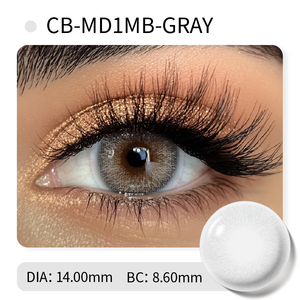
Hot Selling Colored Contact Lenses in Various Vibrant Colors
High-opacity pigment formulations engineered specifically to fully transform deep dark brown eyes into radiant blues, emerald greens, and soft amethysts.
View Specifications →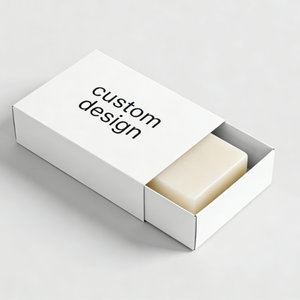
Kraft Paper Soap Box & Slide Drawer Paper Box, Custom Logo Printing For Handmade Bath Soap Bar Packaging
Versatile sliding drawer packaging manufactured from sustainable recyclable cardstock; ideally adapted for optical trial collections and boutique cosmetic kits.
View Specifications →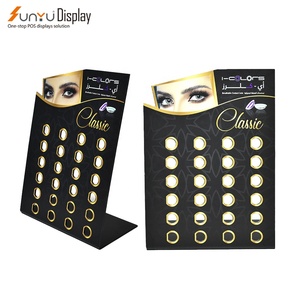
Wholesale Custom Acrylic Contact Lens Display Retail Plexiglass Cosmetic Contact Lenses Counter Display Stand
Optical-grade high clarity polymethyl methacrylate (PMMA) counter presentation units with modular tiering to maximize retail dispensary impulse conversion.
View Specifications →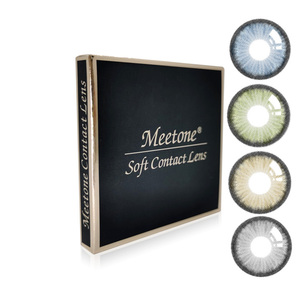
Private Label Meetone Lens Box Wholesale Color Eye Soft Contact Lenses Packaging
Turnkey sterile packaging setup including hermetically sealed borosilicate glass vials, aluminum-plastic tear seals, and barcode-ready carton boxes.
View Specifications →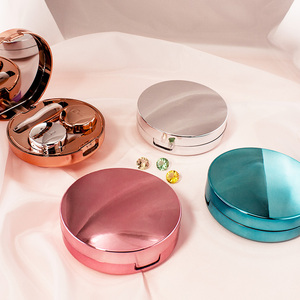
Factory Wholesale Custom Eye Contact Lenses Complete Box Set Eye Contact Lenses Cases Kit Box with Mirror Tweezers Sucker
Medical grade polypropylene (PP) hygienic travel kits featuring leak-proof lens cases, soft-tip silicone insertion applicators, precision tweezers, and mirrors.
View Specifications →Advanced Manufacturing Mechanics: From Cast-Molding to Micro-Encapsulation
A comprehensive examination of hydrogel and silicone-hydrogel polymer synthesis, micro-pigment sandwich bonding, and automated cleanroom manufacturing standards.
In the contemporary ophthalmic manufacturing landscape, soft colored contact lenses are no longer classified merely as novelty cosmetic items; they are rigorously regulated medical devices requiring sophisticated chemical engineering and extreme optical fidelity. Contract manufacturing of contact lenses in China has evolved from manual lathe-cutting into fully automated, digitally synchronized double-sided cast-molding systems operating in ISO Class 7 and Class 8 (Fed-Std-209E Class 10,000 / 100,000) cleanroom environments.
Double-Sided Cast Molding
Utilizing high-precision optical steel tool inserts machined by diamond-turning equipment, male and female curvet molds are injection molded using medical-grade polypropylene. Monomer mixtures (e.g., 2-hydroxyethyl methacrylate and methacrylic acid) are injected via volumetric micro-dispensers, followed by UV or thermal polymerization to ensure absolute batch-to-batch corneal radius consistency.
Pigment Sandwich Encapsulation
Patient corneal safety hinges entirely on isolating mineral pigments. Our proprietary encapsulation technology permanently seals inorganic iron oxides, titanium dioxide, and phthalocyanine colorants within the intermediate polymer matrix. Zero pigment resides on the anterior or posterior surface, completely mitigating the risk of micro-abrasions, surface roughness, or dye leaching.
Automated Optical Inspection (AOI)
Every single lens undergoes in-line telecentric digital imaging analysis prior to blister sealing. High-resolution CCD cameras scrutinize lens diameter, edge lift geometry, center thickness, surface bubbles, tear lines, and pigment registration errors at 50x magnification, discarding any unit failing an edge roughness threshold of 0.2 micrometers.
Standard OEM Engineering Parameter Thresholds
| Polymer Formulation | Water Content (%) | Dk/t (Oxygen Transmissibility) | Base Curve (BC mm) | Overall Diameter (DIA mm) | Center Thickness (@ -3.00D) | Sterilization Mode |
|---|---|---|---|---|---|---|
| poly-HEMA (Standard Hydrogel) | 38% – 42% | 11 – 16 × 10-9 | 8.50 – 8.65 | 14.00 – 14.50 | 0.07 – 0.08 mm | Terminal Steam Autoclave (121°C, 30 min) |
| Hioxifilcon D (High-Moisture Hydrogel) | 55% – 58% | 22 – 28 × 10-9 | 8.60 – 8.70 | 14.20 | 0.06 mm | Terminal Steam Autoclave (121°C, 30 min) |
| Silicone Hydrogel (SiHy Generation 3) | 45% – 48% | 85 – 120 × 10-9 | 8.60 – 8.80 | 14.00 – 14.30 | 0.08 mm | Moist Heat Autoclave + Low Surface Modulus |
| Theatrical / Mini-Sclera (poly-HEMA) | 38% | 10 – 14 × 10-9 | 8.80 – 9.20 | 15.00 – 17.00 | 0.10 – 0.12 mm | Sterile Borosilicate Vial Packing |
Future Procurement Trends in Wholesale Contact Lens Sourcing (2026–2030)
How progressive optical distributors, DTC direct-to-consumer beauty startups, and ophthalmological clinic chains are shifting their procurement strategies to outcompete legacy market incumbents.
1. Transition to Silicone Hydrogel Colored Substrates
While traditional poly-HEMA hydrogels maintain a dominant cost advantage for annual and quarterly cosmetic lenses, buyer intent in North America, Western Europe, and East Asia has pivotally shifted toward Silicone Hydrogel (SiHy). The exponentially higher oxygen transmissibility (Dk/t > 80) drastically reduces hypoxia-induced corneal neovascularization, enabling all-day comfort for digital device users.
2. Agile "Micro-Batch" Private Labeling
Historic supply contracts enforced rigid MOQs of 10,000 to 50,000 units per SKU, locking founders into massive capital overhead and obsolete design risks. Contemporary OEM models provide agile batch production starting at just 100 pairs per design. This enables brands to test niche social-media-driven aesthetic drops (e.g., honey hazel, icy platinum, cyber-doll limbal prints) before scaling into automated blister runs.
3. Zero-Carbon Secondary Packaging & Extended Producer Responsibility
In response to Germany’s Packaging Act (VerpackG / LUCID), the EU Single-Use Plastics Directive, and state-level EPR laws across the United States, major procurement directors now mandate soy-based inks, unbleached FSC-certified biodegradable paperboards, and reduced-plastic PP blister cavities with peelable foil structures engineered for localized recycling streams.
4. Bio-Inspired Iris Photorealism (AI-Aided Color Grading)
Uniform pixelated prints have lost consumer favor. State-of-the-art contact lens buyers now demand algorithmic multi-tone layering that simulates the radial trabecular meshwork and natural chromatic gradations of human eye anatomy. High-density pad-printing clichés with microscopic dot patterns recreate hyper-realistic depth without creating solid light-blocking rings.
Why International Brands Choose Us as Their Dedicated OEM Partner
Decades of specialized contact lens manufacturing expertise combined with an unyielding commitment to patient safety, regulatory compliance, and scalable output.
Full EU MDR & FDA Dossier Backing
Cosmetic colored contact lenses fall strictly under Annex XVI of European Regulation (EU) 2017/745 (MDR) as devices without an intended medical purpose. We provide full technical documentation—ISO 10993 cytotoxicity and ocular irritation biocompatibility reports, shelf-life real-time stability data, and clinical risk evaluation dossiers—facilitating seamless market entry for your Authorized Representative (EC REP).
Turnkey Design-to-Shelf Integration
We do not merely manufacture bare lenses; we build brands. Our vertically integrated production model covers customized graphic blister foil sealing, pharmaceutical borosilicate glass vials, custom-molded ergonomic insertion tools, precision retail counter presentation units, and UDI (Unique Device Identification) barcode engraving compliant with GS1 worldwide standards.
Uncompromising Quality Governance
Certified under ISO 13485:2016 Medical Devices Quality Management System, our production infrastructure utilizes purified water loops (USP standard water for injection) and operates validated autoclave sterilization cycles. Every production batch is traced with lot-specific records archived for a minimum of seven years to ensure flawless global recall readiness.
Frequently Asked Questions in Wholesale Contact Lens OEM Operations
Essential guidance addressing regulatory hurdles, custom tooling, shelf-life validation, and international shipping logistics.
What is the absolute minimum order quantity (MOQ) for custom private-label contact lens manufacturing? +
For existing catalog iris designs selected from our ODM repository of over 500 validated patterns, our small-batch OEM entry tier starts from as low as 100 pairs per design. For fully bespoke iris designs requiring customized pad-printing steel clichés, new ink formulations, or bespoke blister foil roll rotogravure printing, the standard MOQ typically ranges from 1,000 to 3,000 pairs depending on the modality (daily disposable blisters vs. annual vials). This low-barrier structure is intentionally optimized to allow brand owners to validate market traction without over-leveraging balance sheets.
How do you support compliance under European Union MDR Regulation 2017/745 Annex XVI? +
Under the EU MDR, cosmetic contact lenses lacking a corrective dioptric power are categorized alongside high-risk aesthetic medical devices within Annex XVI. To enable your EU-based importer or Authorized Representative to maintain a compliant conformity assessment, we provide full factory-side documentation: ISO 13485:2016 audit certificates, ISO 10993 biological evaluation data (in vitro cytotoxicity, ocular irritation, delayed-type hypersensitivity), chemical extractables and leachables profiles, and standardized labelling files structured for UDI-DI/PI barcode assignment. We review regulatory paths during the initial quoting phase to ensure frictionless customs clearance in Germany, France, Italy, and Scandinavia.
Can you manufacture bilingual or localized packaging including German, French, and Spanish? +
Yes. We routinely print customized, fully compliant packaging for international markets. We assist clients in designing bilingual or multilingual blister lidding foils, exterior paper cartons, and Instructions for Use (IFU) booklets. Our typography layouts incorporate all mandatory regulatory pictograms (ISO 15223-1 medical device symbols), sterile barrier markers, temperature limits, expiry symbols, lot tracking markers, and domestic importer address panels.
What is the standard shelf life of your sterile contact lenses, and how is it validated? +
Our hermetically sealed contact lenses—both in borosilicate glass vials and medical PP blister packs—feature a validated shelf life of 5 years (60 months) from the sterilization date. This longevity is substantiated through ongoing accelerated aging tests (ASTM F1980) and real-time room temperature stability studies. The saline solution is buffered with sodium chloride, sodium phosphate, and hyaluronic acid additives where specified, ensuring pH stability (7.0 – 7.4) and osmolality compatible with natural human tear film throughout the complete five-year operational window.
What Incoterms and logistics workflows are deployed for global consignments? +
We routinely support EXW, FOB (Shanghai/Shenzhen/Guangzhou), CIF, DAP, and DDP shipping frameworks. Because soft contact lenses are immersed in sterile saline, customs protocols classify them under Harmonized System (HS) Code 9001.30.00. We coordinate air freight express couriers (DHL, FedEx, UPS) for time-critical trial releases and climate-regulated sea freight container shipping for scaled wholesale inventory shipments. All required material safety data sheets (MSDS), non-dangerous cargo declarations, and phytosanitary declarations for outer wood-fiber cartons are fully handled by our dedicated in-house export trade department.
Scale Your Optical Brand with China's Premier OEM Manufacturer
Whether you require a pilot run of 100 pairs to test an emerging cosmetic aesthetic, or high-volume multi-million blister monthly production with custom automated secondary packaging, our engineering team is ready to consult on your exact technical requirements.
Get a Quote