500+
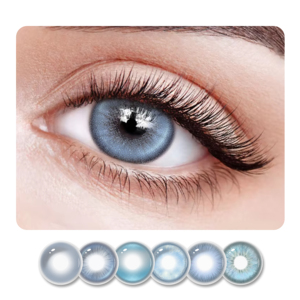
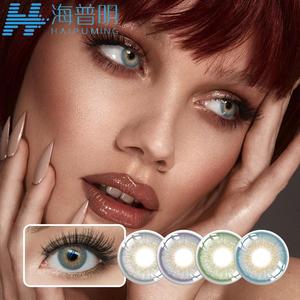
Formulated Iris Patterns
100pr
Flexible OEM Trial MOQ
ISO13485
Class III Medical System
85+
Countries Export Footprint
Factory Showcase
High-Performance Contact Lens & Packaging Solutions
Explore our core product offerings engineered with micro-pigment sandwich embedding, ultra-thin edge profiling, and turnkey cosmetic packaging integration.
Strategic Procurement Whitepaper
Navigating Global Colored Contact Lens Sourcing: Trends & Compliance
A comprehensive procurement guide for ophthalmic distributors, retail cosmetic brands, and e-commerce enterprises scaling cross-border supply chains.
1. Evolving Purchasing Trends in B2B Cosmetic Lens Supply
The global demand for cosmetic and colored contact lenses is undergoing a rapid transition from basic impulse novelty items to sophisticated, daily-wear ophthalmic cosmetics. For private label directors and clinical buyers, procurement strategies are evolving based on several core market variables:
A. Daily Disposables vs. Extended Wear Economics: Historically, emerging cosmetic brands relied on yearly disposable vials due to simple logistics and extended retail inventory lifespan. However, consumer preferences in Tier-1 beauty markets (Western Europe, North America, Japan, and Korea) are overwhelmingly pivoting toward daily disposables (1-Day). Daily modalities minimize bacterial keratitis risks, eliminate cleaning regimens, and dramatically increase replenishment transaction frequency, optimizing the lifetime customer value (LTV) for Direct-to-Consumer (DTC) brands.
B. High-Precision Micro-Batch Customization (Agile Supply Chains): Modern visual cosmetic brands can no longer afford rigid 5,000-unit-per-SKU minimum order quantities. Market-leading Chinese factories are utilizing modern cast molding tooling and automated pad-printing to support tiered production schedules. This allows agile brands to launch capsule collections with minimum runs as low as 100 to 500 pairs per design, mitigating dead-stock capital exposure during seasonal trend shifts.
| Wear Schedule | Material Base | Target Market Demographics | MOQ Flexibility | Compliance Exposure |
|---|---|---|---|---|
| 1-Day (Daily) | HEMA / Silicone Hydrogel | High-end cosmetic DTC, Clinical Optometry | Moderate (Blister Packs) | Strict (EU MDR Annex XVI, US FDA 510k) |
| 1-Month (Monthly) | Poly-HEMA (40%-45% Water) | European Pharmacy Chains, Cosplay Retail | High (Low Batch OEM) | Standard Medical Device Directives |
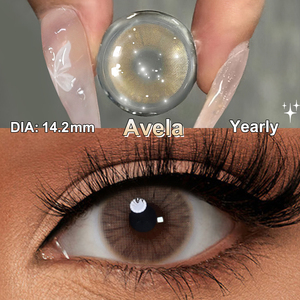
| Annual (Vial Packed) | Traditional Hydrogel (38% Water) | Emerging E-commerce, Theatrical, Stage | Highest (100 pairs/color) | Baseline Class II/III Verification |
2. Lens Manufacturing Technology: Innovations Defining Next-Gen Comfort
Cosmetic contact lenses face unique physical constraints: incorporating chromatic colorants without impeding corneal oxygen transmissibility (Dk/t) or altering ocular surface friction. Chinese high-tier manufacturing facilities have resolved legacy wear fatigue through key structural innovations:
Micro-Sandwich Pigment Encapsulation
Direct pigment printing on the lens exterior is hazardous. Modern cast-molding implements double-layer sandwiching, locking bio-compatible inorganic color layers within hydrogel polymers. Pigments never make contact with the palpebral conjunctiva or cornea.
Aspheric Posterior Edge Geometry
Computer numerical control (CNC) diamond lathed molds craft an edge profile taper under 0.04mm. This design optimizes tear-film exchange during every involuntary blink, eliminating foreign-body sensations and peripheral ocular hyperemia.
Silicone Hydrogel Material Infiltration
Moving beyond conventional Poly-HEMA, modern silicone macromers offer oxygen transmissibility scores (Dk/t > 80) three to four times higher than early cosmetic hydrogels. This safeguards extended daily wear without cellular corneal edema.
Factory Advantage
Why Leading Global Brands Partner with Our Facility
Combining world-class cleanroom infrastructure with robust regulatory clearance documentation to power your brand across global markets.
ISO 13485 & GMP Cleanroom Facilities
Every cosmetic lens is formulated, cast-molded, hydrated, and sterilised inside 100,000-grade cleanroom workshops conforming strictly to ISO 13485 medical device quality systems. Our automated lines guarantee high yields, zero residual monomer contamination, and batch-to-batch color stability.
Turnkey EU MDR & Global Regulatory Dossiers
Cosmetic lenses without corrective power fall under Annex XVI of Regulation (EU) 2017/745. We furnish buyers with complete technical dossiers, biocompatibility assessments (cytotoxicity, ocular irritation), stability aging data, and localized IFU (German, English, Spanish) for accelerated customs release.
End-to-End Private Label Ecosystem
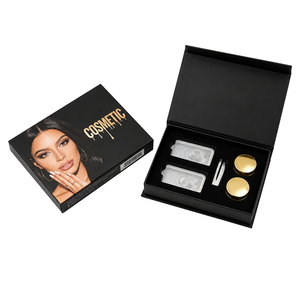
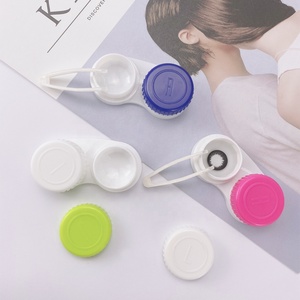
Beyond optical cast manufacturing, we provide comprehensive packaging services: from custom EVA-insert rigid gift boxes, blister foil heat-sealing, and laser-engraved glass vials, to custom applicator tweezers and travel kits. We turn design concepts into shelf-ready retail SKUs.
CE Certified
Medical Devices Directive / MDR Compliance
FDA Registered
Foreign Facility Registration & Device Listing
NMPA / CFDA
Class III Medical Device Production License
GMP Audited
Full-Chain Traceability & Sterilization QC
Procurement Knowledge Base
Frequently Asked Questions by International Buyers
Essential guidance on custom color development, minimums, packaging guidelines, and regulatory requirements.
What is the realistic MOQ for private label colored contact lens manufacturing?
For existing catalog designs (over 500+ tested iris patterns in stock), our factory offers low-barrier OEM trials starting from 100 pairs per color. If you require custom pad-printing pattern development with proprietary chromatic layering, mold tooling generally begins at 1,000 to 3,000 pairs depending on the modality (daily blister vs. yearly vial).
How do you ensure cosmetic lenses comply with EU MDR Annex XVI regulations?
Non-corrective cosmetic lenses are categorized as Class IIa/IIb medical devices under Annex XVI of Regulation (EU) 2017/745. Our export team provides full technical documentation: ISO 13485 cleanroom audit records, ISO 10993 biocompatibility testing (cytotoxicity, systemic toxicity, ocular irritation), extractable residuals profiles, and bilingual packaging artwork templates with designated UDI spaces.
Can our brand order fully customized outer packaging and wear accessory kits?
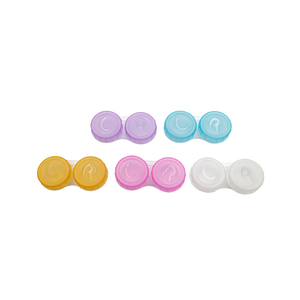
Yes. We offer fully integrated packaging solutions, including high-density EVA insert gift boxes, blister box packaging, multilingual Instructions for Use (IFU) leaflets, and complementary branded wear kits (insertion tools, silicone tweezers, and antimicrobial storage cases) manufactured to meet regional import mandates.
What is the typical lead time from prototype approval to dispatch?
Sample dispatches for pre-existing formulations take approximately 3 to 7 working days. Once artwork, packaging dielines, and formulations are finalized, mass production runs are completed in 25 to 35 business days. High-volume repeat orders can be scheduled via rolling inventory forecasts with delivery via express air freight (DAP/DDP) or sea cargo.
What lens base materials and optical dimensions are available for selection?
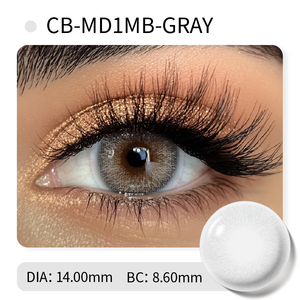
We work predominantly with medical-grade Poly-HEMA hydrogel (water content 38%–42%) and next-generation Silicone Hydrogel. Standard optical parameters include base curves (BC) of 8.5mm to 8.6mm, total diameters (DIA) from 14.0mm to 14.5mm (natural lines), and 17.0mm to 22.0mm for theatrical mini/full sclera series. Diopters range from Plano (0.00) to -8.00 corrective powers.
Scale Your Contact Lens Brand with China's Premier Exporter
Consult with our ophthalmic engineers today. Request high-resolution iris color swatches, technical regulatory files, or custom packaging mockups tailored to your brand.