Engineering Excellence & Quality Assurance in Contact Lens Manufacturing
As a preeminent China contact lens supplier and global exporter, our operations integrate state-of-the-art polymer chemistry, cleanroom robotics, and rigorous international medical device compliance. This comprehensive whitepaper provides B2B distributors, optical chains, and direct-to-consumer eyewear brands with deep procurement intelligence, technical specifications, regulatory frameworks, and market trend forecasts essential for establishing a resilient global supply chain.
OEM & Wholesale Contact Lens Portfolio
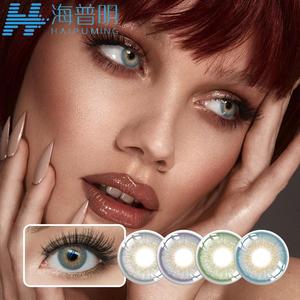
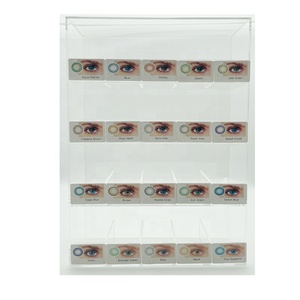
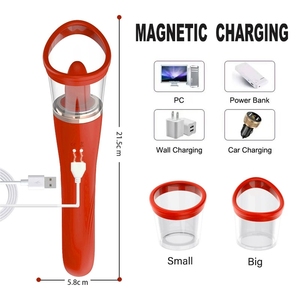
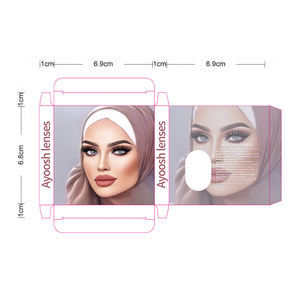
Explore our export-ready contact lenses and specialized medical optical equipment engineered for commercial scalings.
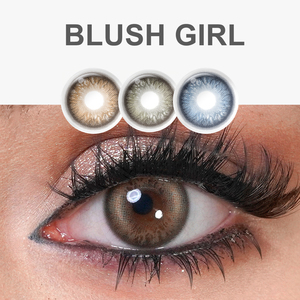
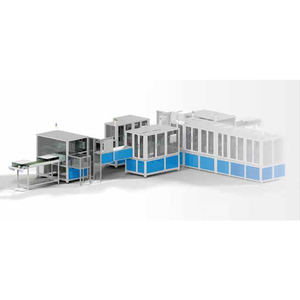
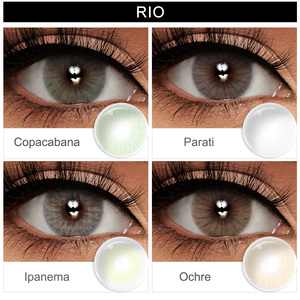
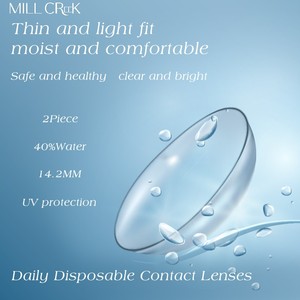
Why Top Global Brands Partner with China's Premier Exporters
Building a successful private-label contact lens enterprise requires high manufacturing precision, regulatory expertise, and swift adaptability to changing aesthetic consumer trends.
Full-Automated Cast Molding
Our production facilities utilize automated blow-molding and cast-molding lines (including state-of-the-art Jwell machinery). This ensures exact edge geometry, stable base curves (8.5mm - 8.7mm), and flawless center thickness uniformity across millions of units.
Sandwich Color Pigmentation
Patient safety is paramount. Our proprietary 3-layer color encapsulation technology isolates bio-compatible pigments between the hydrogel matrix layers. Colorants never touch the corneal tissue, eliminating dye leaching and ensuring pristine comfort.
EU MDR & Regulatory Dossiers
We empower clients to navigate rigorous market barriers effortlessly. Our technical files comply with EU MDR Annex XVI for non-corrective cosmetic lenses, US FDA 510(k) parameters, ISO 13485 standards, and regional barcode/UDI traceability demands.
Future Sourcing & Technological Trends in Contact Lenses (2025–2030)
Understanding shifting consumer habits and material innovations is crucial for procurement officers aiming to secure market dominance over the next decade.
1. The Transition from Standard HEMA to Next-Gen Silicone Hydrogels
While traditional 2-HEMA (Hydroxyethyl Methacrylate) hydrogel materials continue to dominate cost-effective bulk markets due to high water content and manufacturing yield, high-tier brand procurement is rapidly transitioning toward Silicone Hydrogel (SiHy) matrices. Silicone hydrogel offers oxygen transmissibility (Dk/t) values reaching up to 5 times higher than standard hydrogels (e.g., Dk/t > 80 vs Dk/t ~ 20). This drastic elevation in corneal oxygenation supports extended wear comfort, prevents hypoxia-induced vascularization, and enables brands to position products within premium price brackets across Europe and North America.
2. Hyper-Natural Micro-Dot Aesthetics & Custom Diameter Engineering
The cosmetic lens dynamic has evolved past harsh block-color tones. Consumer demand is overwhelmingly focused on hyper-natural iris simulation featuring 3-tone gradient layers, delicate limbal rings, and semi-transparent pupil transitions. Modern ODM production lines employ high-resolution digital micro-dot printing. Additionally, regional size variation requires flexible manufacturing capabilities: Western buyers prefer subtle 14.0mm to 14.2mm outer diameters with modest graphic diameters (GDIA 13.0mm–13.4mm), whereas East Asian markets prioritize enlarging effects up to 14.5mm diameter.
3. Eco-conscious Daily Disposables & Automated Packaging Lines
Daily disposable contact lenses currently represent the fastest-growing wear schedule globally, driven by hygiene awareness and consumer convenience. However, environmental regulations are forcing suppliers to re-engineer primary blister trays and secondary cartons. Leading Chinese suppliers are investing in biodegradable polypropylene foil seals, reduced-plastic blister trays, and high-speed automated carton packing machinery (such as Jwell inspection systems) to lower carbon footprints while optimizing throughput speed.
Material & Wear Schedule Sourcing Benchmark Table
Compare fundamental polymer parameters to match target consumer profiles and compliance prerequisites.
| Material Type | Water Content | Dk/t (Oxygen Transmissibility) | Primary Application | Key Market Region | Compliance Route |
|---|---|---|---|---|---|
| Polymacon (HEMA) | 38% - 42% | 18 - 22 Dk/t | Cosmetic Colored Lenses (Yearly/Monthly) | Latin America, SEA, Middle East | ISO 13485, CE, NMPA |
| Etafilcon A | 55% - 58% | 25 - 28 Dk/t | Daily Disposable Clear & Color Lenses | Global Consumer Retail | FDA Class II, EU MDR |
| Silicone Hydrogel (SiHy) | 40% - 45% | 80 - 120 Dk/t | Premium Clear Rx & Extended Wear | Europe, North America, Japan | 510(k), EU MDR Annex XVI |
| PolyHEMA + UV Blocker | 42% - 45% | 22 - 25 Dk/t | Special FX, Costume & Cosplay Lenses | Global Halloween & Theatrical | CE Mark, ISO 13485 |
Frequently Asked Sourcing & OEM Questions
Clear guidance on Minimum Order Quantities, white-label customization, regulatory assistance, and logistics.
Scale Your Wholesale Contact Lens Brand with Confidence
Partner with China’s premier contact lens supplier and exporter. Reach out to our engineering and export team today to receive catalog pricing, material technical sheets, and custom sample kits.
Inquire Now