Accessory
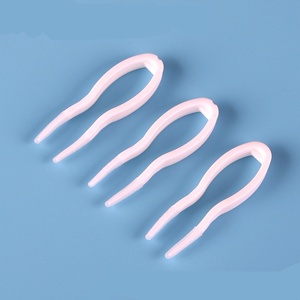
Engineered through micro-sandwich color bonding and high-precision cast molding. Explore our verified portfolio spanning natural daily-wear designs, cosplay theatrical lenses, custom boxes, and ergonomic applicator accessories.
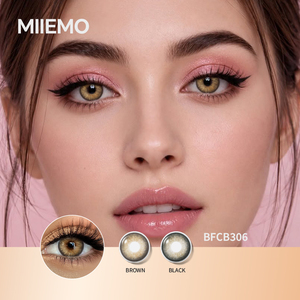
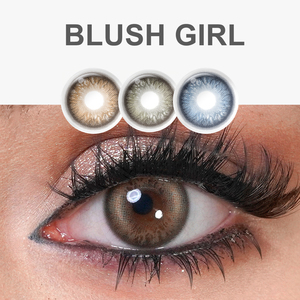
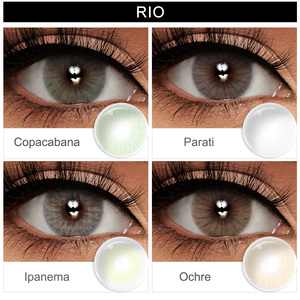
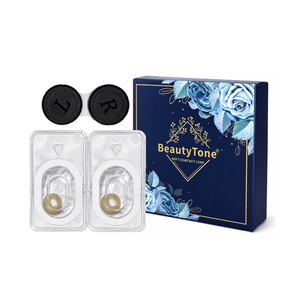
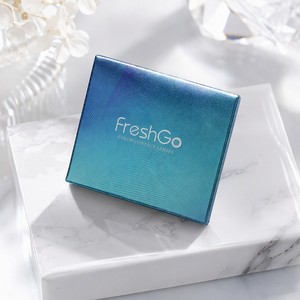
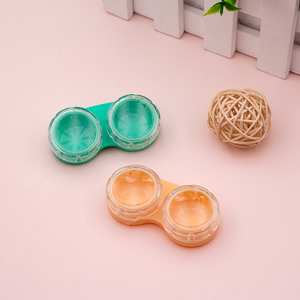
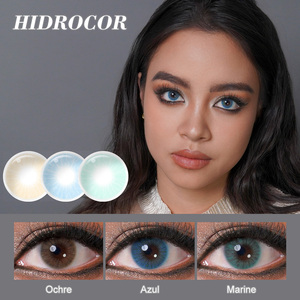
As a pioneer in contact lens engineering, our state-of-the-art manufacturing hubs integrate automated injection cast molding, multi-layer pigment sealing, and certified medical-grade traceability.
Eliminating pigment-to-cornea contact is the baseline of medical safety. Our proprietary encapsulation process embeds certified mineral pigments between micro-layers of hydrophilic polymer (HEMA / Polymacon / HEMA-GMA).
Cosmetic lenses entering the European Union fall strictly under Annex XVI of Regulation (EU) 2017/745. We provide turnkey manufacturer documentation, UDI assignments, technical files, and biocompatibility studies according to ISO 10993.
Bridging the gap between entrepreneurial startups and multi-chain optical retailers. With low starting thresholds from 100 pairs per SKU, brands can validate fresh aesthetic trends with minimal inventory exposure.
Strategic optical procurement is shifting rapidly towards high-Dk silicone hydrogel substrates, sustainable blister solutions, and personalized cosmetic customization. Review the metrics defining tomorrow’s product roadmaps.
| Procurement Dimension | Legacy Paradigm (2018–2022) | Current Mainstream (2023–2025) | Emerging Future Trends (2026+) |
|---|---|---|---|
| Substrate Material | Low-Dk Traditional HEMA (38%–42% H2O) | HEMA-GMA & Hydrogel Composites | High Oxygen Permeable Silicone Hydrogel (SiHy) with anti-protein matrix |
| Wear Schedule | Annual & Quarterly Dominated Vials | Monthly Blisters & Daily Hybrid Lines | Ultra-Hygiene 1-Day Disposables with moisture-cushion polymers |
| Regulatory Demands | Self-certification & Standard CE 93/42/EEC | Basic ISO 13485 & National Approvals | Full EU MDR (EU 2017/745) Annex XVI, UDI barcodes, and clinical evaluation files |
| Aesthetic Patterning | Coarse pixel dots with sharp limbal lines | 3-Tone blended natural gradients | Bio-mimetic micro-gradients matching human eye stromal fibers |
| Batch Supply Cadence | Rigid 10,000+ unit MOQs per parameter | Segmented MOQ (500–1,000 pairs) | Micro-Batch On-Demand Manufacturing (100 pairs) with live EDI sync |
Modern consumers view colored contact lenses as essential daily cosmetic items rather than occasional medical appliances. B2B buyers must shift from annual glass vial formats to daily disposable blister packs. Daily disposable lenses eliminate cleaning compliance issues, minimize micro-trauma, and generate steady, recurring recurring subscription-model revenues for DTC brands.
With environmental packaging legislation such as Germany's VerpackG (LUCID registration) and the EU Packaging and Packaging Waste Directive tightening, suppliers must provide lightweight, recycled paperboard packaging and optimize blister volume. Our factory is actively rolling out reduced-plastic blisters and soy-ink printed luxury retail boxes to meet zero-landfill retailer standards.
While zero-power plano lenses cater to cosmetic and costume markets, the fastest growing segment is corrective aesthetic optics (spherical -0.50D to -10.00D with future toric and multifocal color offerings). Incorporating broad prescription power ranges enables opticians and optometry practices to capture premium fashion revenue while addressing visual acuity.
Precision optics require tolerances measured in micrometers. Here is an overview of how our cleanroom facilities produce millions of colored lenses without compromising human ocular safety.
Every soft contact lens begins with diamond-turned master molds. With single-point diamond turning (SPDT), surface roughness is kept below 10 nanometers, ensuring the optical zone maintains true spherical refraction and consistent base curves (8.5mm to 8.7mm).
Liquid monomer mixtures are precisely injected into matching male and female polypropylene molds using high-speed robotic dispensaries. Thermal or UV-activated polymerization forms a seamless cross-linked polymer matrix that locks pigments in place without air bubbles or edge flash.
De-molded dry lenses are transferred to purified saline hydration tanks where they gently swell to their final geometry. Every hydrated lens passes through high-resolution Automated Optical Inspection (AOI) cameras to detect pinholes, edge chips, color off-centering, or particulate contamination before autoclave sterilization.
Clear answers addressing manufacturing capabilities, minimum orders, regulatory compliance, custom packaging, and international shipping.
For off-the-shelf catalog designs with custom branded outer packaging, our program starts at just 100 to 500 pairs per collection. For completely custom pigment pattern development and dedicated cast molds, typical project runs start from 5,000 to 10,000 pairs depending on the chosen replacement cycle.
Cosmetic contact lenses (without corrective refractive power) are regulated as Class IIa/IIb medical devices under Annex XVI of Regulation (EU) 2017/745. We maintain ISO 13485:2016 quality management systems and provide technical documentation, biological safety evaluations, sterile barrier validation, and batch release records to support your European Authorised Representative (EC REP) and importer.
Cast molding is the gold standard for high-volume, cost-effective soft contact lenses. It creates smooth, contoured edges that offer superior comfort for daily and monthly wear. Lathe cutting is used mainly for custom, ultra-specialized rigid or large-diameter scleral lenses where production volumes are low and mold tooling costs are prohibitive.
Yes. We provide complete OEM/ODM packaging services. This includes printed art paper boxes, high-density foil blister sealing, glass vials with tamper-proof aluminum caps, companion contact lens travel cases, silicone applicator tweezers, and multilingual Instructions for Use (IFU) leaflets.
Standard ODM orders with existing inventory ship within 3 to 7 business days. Custom private-label runs featuring personalized blister packaging and outer retail cartons generally require 25 to 35 business days from final digital artwork approval. Express door-to-door air freight (DAP/DDP) to North America and Europe typically takes 5 to 8 business days.
Every production lot undergoes rigorous bio-burden analysis, cytotoxicity screening, oxygen permeability (Dk) confirmation, base curve and center thickness verification via optical interferometry, tint colorfastness testing in saline solutions, and terminal steam sterilization at 121°C for 20+ minutes.
Connect with our technical optical engineers to discuss small-batch OEM programs, request physical testing samples, or receive our comprehensive 500+ design catalog.