Featured Cosmetic Contact Lens Series & Custom Packaging Solutions
Explore our flagship cast-molded color lenses, high-opacity iris formulations, and turnkey sterile primary/secondary packaging options engineered for retail and optical chains.
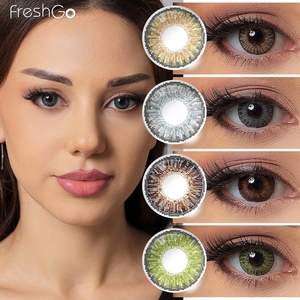
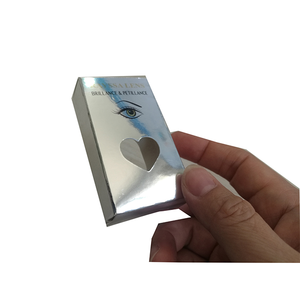
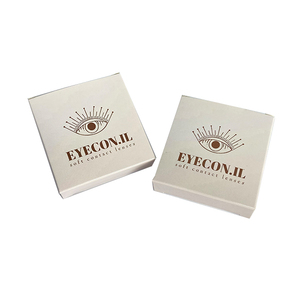
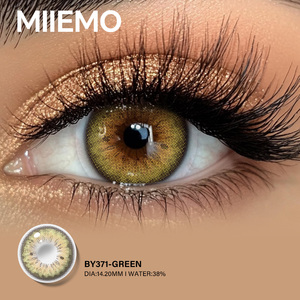
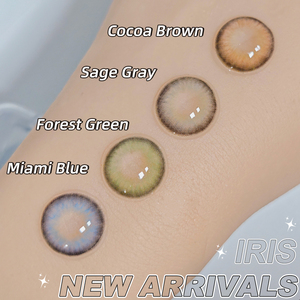
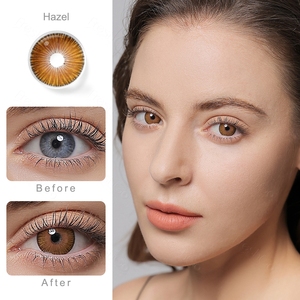
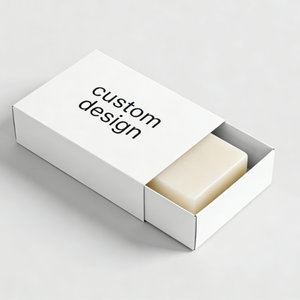
Comprehensive Strategic Whitepaper: Evaluating China Cosmetic Contact Lens Wholesale Factories
The global cosmetic contact lens sector has evolved far beyond novelty fashion accessories into an intersection of ophthalmological medical devices, biocompatible polymer engineering, and fast-moving consumer beauty (FMCG). For international distributors, brand founders, and optical retail chains sourcing from China, achieving sustained profitability and brand equity requires looking beneath surface aesthetics. Sourcing managers must evaluate cast-molding precision, pigment encapsulation chemistry, hydrogel polymer matrices, cleanroom automation, and multi-jurisdictional compliance architectures.
1. Advanced Cast-Molding vs. Traditional Lathe-Cutting: The Precision Paradigm
Historically, early colored lens fabrication relied on lathe-cutting dehydrated polymer rods, followed by surface printing. In modern OEM/ODM industrial manufacturing, high-yield, medical-grade production relies on Automated Dual-Sided Cast-Molding. Within our ISO Class 7 (Class 10,000) cleanrooms, optical tooling inserts machined via ultra-precision diamond lathes form virgin polypropylene molds. The monomer formulation—typically PolyHEMA (Poly-2-hydroxyethyl methacrylate) or advanced silicone-hydrogel macro-monomers—is dosed into the anterior mold cup under robotic nitrogen purging to inhibit oxidative polymerization defects.
Cast molding delivers micron-level edge uniformity that lathe cutting cannot replicate at scale. The critical factor in patient comfort and long-wear safety is the lens edge profile. Our automated edge-rounding technology creates a continuous taper that optimizes tear fluid exchange beneath the lens body during involuntary blink cycles, drastically decreasing conjunctival staining and dry-eye fatigue.
Direct surface printing exposes corneal epithelial cells to pigment abrasive toxicity and leaching. Leading Chinese manufacturing factories employ Pigment Sandwich Encapsulation. In this multi-stage polymer matrix injection, a basal micro-layer of hydrogel is prepolymerized, pigment micro-droplets (formulated using purified iron oxides, titanium dioxide, and phthalocyanine blues) are deposited via high-resolution pad printing, and an anterior hydrogel capping layer is polymerized over the color layer. The pigment is locked entirely within the lens core, ensuring zero physical contact with the cornea or palpebral conjunctiva.
2. Global Regulatory Compliance Roadmaps: EU MDR Annex XVI, US FDA, & NMPA
Sourcing colored cosmetic contact lenses demands strict regulatory alignment. Under European Union Regulation (EU) 2017/745 (MDR), non-corrective (plano) cosmetic contact lenses were explicitly brought into the scope of medical device regulations via Annex XVI. Importers and brand owners can no longer market cosmetic lenses under simple consumer product directives.
A certified Chinese contract manufacturing partner must maintain an audited quality management system meeting EN ISO 13485:2016 standards. Technical documentation dossiers must include:
- ISO 10993 Biocompatibility Profiling: Full cytotoxicity, ocular irritation, systemic toxicity, and delayed-type hypersensitivity validation.
- Accelerated & Real-Time Stability Studies: Real-time sterile barrier aging according to ISO 11607 to support shelf-life claims (up to 5 years).
- Extractables & Leachables Profiling: Exhaustive extraction testing verifying no unreacted monomers, phthalates, or unbound dye colorants leach into physiological saline under accelerated thermal conditions.
- UDI (Unique Device Identification) & Labelling Readiness: Basic UDI-DI assignment, GS1-compliant 2D data matrix coding, and verified multilingual Instructions for Use (IFU).
3. Material Matrix Comparison for Strategic Procurement Selection
Choosing the correct polymer matrix dictates retail price points, wearing comfort, repeat order velocity, and targeted consumer demographics. The table below delineates the optical and physiological characteristics across primary contract-manufactured hydrogel systems:
| Polymer Classification | Water Content (%) | Oxygen Permeability (Dk) | Modulus (MPa) | Primary Target Demographic | Recommended Replacement Cycle |
|---|---|---|---|---|---|
| PolyHEMA (Standard Matrix) | 38% – 42% | 8.5 – 12 | 0.45 – 0.55 | Cost-conscious mass retail, high opacity styles | Monthly, Quarterly, Annual High Volume |
| PolyHEMA + NVP / HA Infused | 45% – 55% | 15 – 22 | 0.35 – 0.42 | Sensitive eyes, premium boutique beauty brands | Daily Disposable, Monthly Comfort Priority |
| Silicone Hydrogel (SiHy) | 40% – 48% | 85 – 120+ | 0.65 – 0.85 | Clinical optometry clinics, premium lifestyle lines | Daily Disposable, Bi-Weekly Clinical Grade |
4. Strategic Product Procurement Trends: The 2026–2030 Trajectory
B2B procurement managers must anticipate structural demand shifts to protect inventory turn rates. Four macro trends are transforming wholesale cosmetic lens procurement from China:
A. The Exponential Surge of Daily Disposables: While annual replacement lenses remain staples in developing markets due to their accessible unit price, mature beauty markets (Western Europe, North America, Japan, and South Korea) are experiencing a wholesale migration toward 1-Day Single-Use blisters. Daily lenses eliminate the need for lens care solutions and cases, significantly reduce bacterial keratitis risks, and generate continuous, recurring subscription revenues for direct-to-consumer (D2C) brands.
B. Biometric Micro-Dot Printing and European Eye Adaptation: Early cosmetic lenses relied on coarse pixel patterns designed primarily to enlarge the apparent iris diameter (the Asian circle lens trend). The modern European and American consumer demands hyper-realistic tonal depth that naturally blends over dark brown, hazel, green, and blue irises. Factories are now utilizing multi-pass stochastic halftone dot matrices down to 25-micron dot pitches, simulating the radial striations, crypts of Fuchs, and gentle limbal transitions of natural human irises.
C. Sustainable Secondary Packaging & Supply Chain Traceability: In accordance with the EU Packaging and Packaging Waste Regulation (PPWR) and German VerpackG (LUCID), global brands now demand sustainable packaging options. We support private labels with FSC-certified virgin kraft drawer boxes, water-based non-toxic inks, minimized blister card profiles, and recyclable polypropylene packaging lines that cut plastic consumption per unit by up to 28%.
Why Top Global Cosmetic Brands Source From Our Facility
Combining medical device cleanroom manufacturing, responsive minimum order quantities, and custom packaging support to elevate your private label brand.
Agile Small-Batch OEM
Launch and test new collections in your home market without the inventory burden of 10,000-unit factory minimums. Our modular cell production lines support custom private-label branding runs starting from just 100 pairs per design.
- Low initial capital expenditure for emerging brands
- Mix and match multiple SKUs in a consolidated order
- Rapid re-order turnaround to minimize stock-outs
- Custom vial, blister, and carton packaging options
500+ Design ODM Library
Accelerate your go-to-market cycle by tapping into our proven, pre-approved iris catalog. From subtle European hazel tints to multi-tonal limbal rings and vibrant theatrical special-FX sclera designs, our library covers every market segment.
- Natural 1-tone, 2-tone, and 3-tone iris blends
- Special FX, cosplay, and mini/full sclera series
- Custom iris design service and pantone matching
- Ready digital assets and product photography support
Full Regulatory & Packaging Dossiers
We provide complete manufacturer-side documentation for seamless global clearance. Our regulatory team supports your authorized representatives and importers in Europe, North America, Latin America, and Southeast Asia.
- ISO 13485:2016 quality management certification
- EU MDR Annex XVI technical file and testing support
- Localized IFU, box layout, and packaging compliance
- DAP, DDP, air freight, and global express logistics
Frequently Asked Questions for Wholesale Lens Buyers
Essential technical, compliance, and supply chain insights to help your procurement team make well-informed sourcing decisions.