Industrial Line
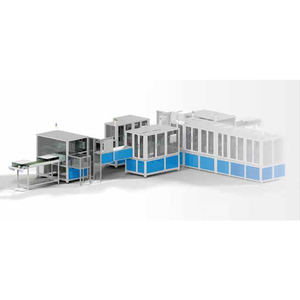
Molding Type: Blow / CastInspection: CCD Vision
Authoritative OEM/ODM Contact Lens Engineering, Cleanroom Cast-Molding Innovation, and Regulated European Supply Chain Infrastructure
From micro-precision cast-molding automated lines to turnkey cosmetic packaging and certified hydrogel formulations, browse our industrial contact lens export series manufactured under strict Class 100,000 cleanroom controls.
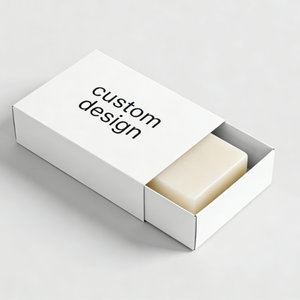
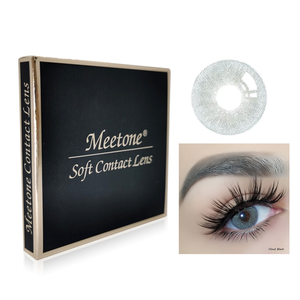

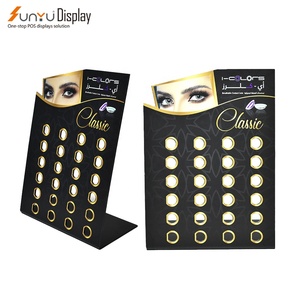
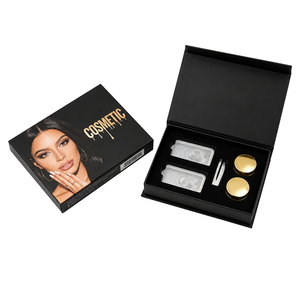
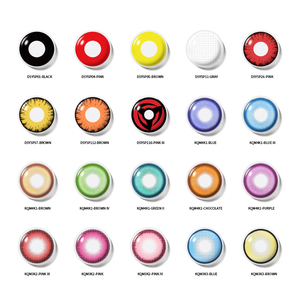

A comprehensive evaluation of next-generation polymer chemistry, regulatory evolution across the EU and North America, and agile procurement engineering for high-growth optical brands.
In modern cosmetic hydrogel manufacturing, biological safety supersedes chromatic intensity. Traditional surface-printing methods leave microscopic colorants exposed to the palpebral conjunctiva, accelerating tear film destabilization and corneal micro-trauma.
Our Zhejiang production line implements advanced Triple-Layer Sandwich Encapsulation. Organic and inorganic pigments are chemically sealed between inert poly-HEMA or silicone-hydrogel layers. This ensures zero pigment-to-cornea contact, smooth micro-surface topologies, and prolonged oxygen permeability (Dk/t) compliant with ISO 18369 optical standards.
A transformative shift in EU medical optics occurred with the classification of non-corrective (plano) cosmetic contact lenses under MDR Annex XVI. Non-corrective lenses are no longer governed under loose consumer goods frameworks; they must conform to rigorous Class IIa/IIb medical device dossiers.
The global contact lens retail ecosystem is transitioning away from rigid, multi-thousand-unit initial manufacturing commitments. Fast-fashion cosmetics and localized influencer launches demand inventory velocity and dynamic variant testing.
Leading Zhejiang factories solve this via modular cast-molding toolings. By standardizing base curve geometries (8.5mm to 8.7mm) and optimizing automated hydration ovens, brands can initiate private-label runs at 100 pairs per SKU. This methodology hedges inventory write-down risks while accelerating turnaround times for new chromatic palettes.
While poly-HEMA hydrogel remains the industry foundation for high-water-content daily and monthly disposables due to superior manufacturing economics, third-generation silicone hydrogel is advancing into the cosmetic domain.
Our R&D laboratory is pioneering low-modulus fluoro-silicone hydrogel compounds that decouple oxygen transmissibility from water evaporation. The result is sustained all-day end-user lubricity without compromising complex pigment adhesion matrices.
Regulatory scrutiny extends beyond ocular surfaces down to ecological packaging footprints. European procurement frameworks enforce strict Extended Producer Responsibility (EPR) regulations, including Germany's VerpackG / LUCID requirements.
We provide supply chain partners with certified FSC virgin kraft packaging options, non-toxic soy-based ink printing, minimized polypropylene blister weights, and inert medical EVA trays that ensure transit structural integrity while mitigating environmental tariffs.
Medical-grade contact lens production rejects manual human visual sampling in favor of 100% inline telecentric automated optical inspection (AOI). Every wet lens passes through high-speed multi-angle cameras before sealing.
Sub-micron optical algorithms verify circular diameter, peripheral sagittal depth, edge roughness, bubble occlusions, and off-axis chromatic misalignments in real-time, enforcing an uncompromising internal AQL standard far stricter than baseline commercial tolerances.
Combining automated medical-consumable assembly, strict cleanroom disciplines, and deep familiarity with global healthcare regulatory filings.
Our operations function under audited ISO 13485 medical device systems and CE quality management. Cleanroom air handling adheres strictly to Class 100,000 protocols with continuous microbial monitoring.
From single daily blisters with foil heat-sealing to multi-pack sterile medical glass vials, we engineer the complete mechanical and visual packaging aesthetic tailored to target market preferences.
Avoid customs seizures and impoundments. We furnish complete Declaration of Conformity dossiers, biological evaluation reports, stability study records, and multilingual IFU label designs.
Whether routing shipments through bonded air transit or ocean freight, we support flexible Incoterms including FOB, CIF, DAP, and comprehensive DDP delivery directly to EU and US fulfillment hubs.
Transparent, data-backed operational clarifications on compliance, minimums, lead times, and technical specifications for B2B buyers.