OEM Packaging
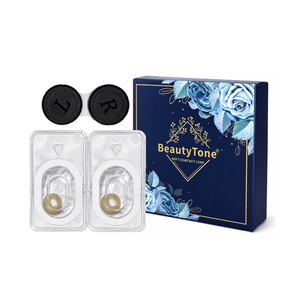
FSC Certified
UDI Compatible
Validated Iris Master Patterns
Agile Private Label MOQ Starter
Optical Hydrogel Purity Yield
EU Annex XVI & CE Compliance
Curated cosmetic contact lens series, clinical-grade packaging solutions, and specialized display modules manufactured under stringent CE, GMP, and ISO medical protocols. Built for seamless compliance across European, North American, and East Asian regulatory jurisdictions.
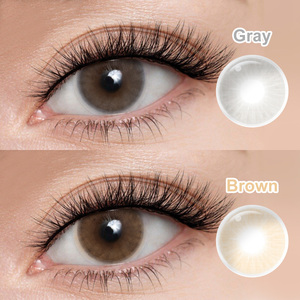
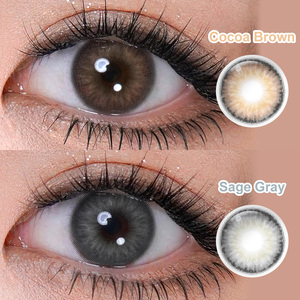
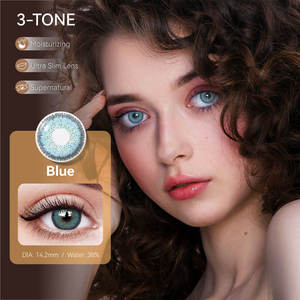
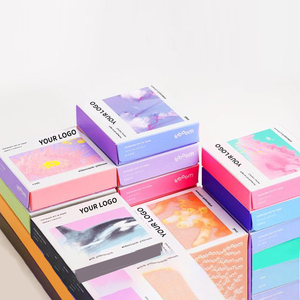
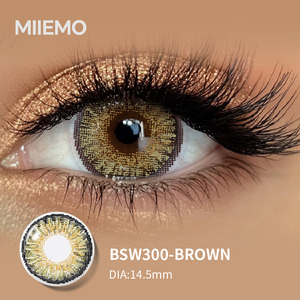
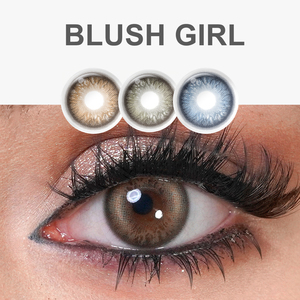
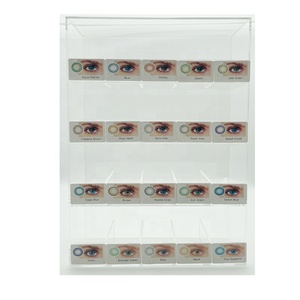
The convergence of biocompatible polymer chemistry and micron-precision cast molding has elevated Korean contact lens production into the upper echelon of the global ophthalmic medical device market. Understanding the underlying technology ensures optimal brand positioning and end-user ocular safety.
Unlike lower-tier screen printing where colorants come into direct contact with corneal tissue, high-standard Korean and CE-certified manufacturers utilize Multi-Layer Color Embedding (Sandwich Technology). Pigment particles are sealed entirely between two micro-thin layers of poly-HEMA or silicone hydrogel.
Cast molding delivers microscopic edge symmetry that lathe-cutting cannot match at industrial scale. Optical polymers are polymerized inside optical-grade male-female steel tooling within cleanrooms adhering to ISO Class 7 protocols, producing lenses with consistent parameters across multimillion-unit production runs.
With cosmetic contact lenses explicitly classified under Annex XVI of the EU MDR, cosmetic optics without corrective power must meet the same stringent safety, biocompatibility, and clinical performance metrics as prescription ophthalmic devices.
Selecting the optimal hydrogel formulation determines consumer wear comfort, optical clarity, price positioning, and retail repeat orders. Evaluate clinical parameters before confirming commercial OEM specifications.
| Material Classification | Water Content | Oxygen Permeability (Dk/t) | Primary Application | Recommended Replacement Cycle | Compliance Tier |
|---|---|---|---|---|---|
| Standard Poly-HEMA | 38% - 42% | 12 - 16 × 10-9 | High-definition color fidelity, budget-tier retail, cosplay & theatrical | Quarterly to Yearly | CE / ISO 13485 |
| HEMA + NVP Copolymer | 42% - 45% | 18 - 22 × 10-9 | Natural cosmetic tints, balanced tear wettability, beauty optometry | Monthly to Yearly | CE / US FDA / MFDS |
| Silicone Hydrogel (SiHy) | 45% - 55% | 65 - 100+ × 10-9 | Clinical daily wear, premium aesthetic boutiques, sensitive eyes | Daily Disposable / Monthly | EU MDR Annex XVI |
| Phosphorylcholine (PC-HEMA) | 48% - 58% | 25 - 32 × 10-9 | Biomimetic protein resistance, superior dry-eye comfort | Daily to Monthly | Medical Class IIb / CE |
Our Korea-aligned and global cleanroom manufacturing infrastructure integrates end-to-end optical design, regulatory technical file preparation, and tailored private-label branding.
Initiate bespoke private label collections starting at 100 pairs per design. Ideal for startup launches, optometry test batches, and rapid product validation across European and US markets.
In-house printing lines supporting bilingual German/English blister labels, retail tuck-in folding cartons, IFU documentation, and national packaging compliance (e.g., VerpackG LUCID).
Fully compliant with CE, ISO 13485, US FDA 510(k), Korea MFDS, and NMPA standards. Comprehensive technical dossiers supplied directly to designated EU Authorized Representatives (EC REP).
Every lot undergoes automated optical projection inspection, osmolarity equilibrium checks, autoclave steam sterilization cycles, and independent bioburden/endotoxin clearance validation.
B2B procurement patterns are shifting rapidly toward shorter wear modalities, hyper-realistic iris reproduction, and stringent regulatory traceability. Optical brand directors and private label buyers must navigate several macro procurement shifts.
While annual replacement contact lenses historically dominated cosmetic sales across Latin America and Southeast Asia, European and North American optometry networks are rapidly shifting toward single-use daily disposables.
Procurement teams are prioritizing manufacturers with automated blister high-speed packaging capable of yielding consistent 10-pack and 30-pack configurations at optimized unit costs. Daily disposables resolve protein accumulation, minimize keratitis risk, and ensure recurring monthly replenishment revenues.
Consumer wear habits have evolved from occasional weekend aesthetic use to full-day 12-hour work wear. High-Dk silicone hydrogel cosmetic lenses solve end-of-day ocular fatigue and corneal hypoxia.
Sourcing directors must partner with manufacturers that possess proprietary plasma surface treatments or hydrophilic interpenetrating networks (IPN) that overcome the innate hydrophobicity and lipid deposition tendencies of conventional silicone polymers.
The enforcement of European MDR Annex XVI has eliminated gray-market importers lacking validated technical documentation. Procurement specialists now require direct factory-level visibility into manufacturing batch records, biocompatibility test files, and EUDAMED registration numbers.
Securing long-term supply contracts with fully accredited Korean and international manufacturers is now a prerequisite to insulating brand inventory against customs seizures and optical retail delistings.
The cosmetic lens category is evolving from basic solid pigments into multi-dimensional biological mimicry and wellness-enhancing eyewear technology.
Next-generation iris designs have eliminated distinct, pixelated radial strokes. Utilizing sub-micron high-density dot matrix printing, modern Korean export lenses seamlessly transition from deep limbal rings to subtle pupillary gradients, producing realistic depth on both light and deep dark-brown irises.
Modern consumers demand active ocular protection alongside cosmetic transformation. Manufacturers are embedding Class 1 and Class 2 UV blockers (absorbing >90% UVA and >99% UVB radiation) and specialized high-energy blue light filtering monomers directly into the lens matrix without compromising color authenticity.
Advanced optical molds now incorporate computer-optimized aspheric back surface curves that match average corneal eccentricity. This configuration facilitates natural tear exchange beneath the contact lens during each blink, actively clearing debris and maintaining corneal metabolic homeostasis.
Comprehensive regulatory, production, logistical, and commercial guidelines for brands planning private label colored contact lens production.
Under Regulation (EU) 2017/745 (MDR) Annex XVI, colored contact lenses without corrective vision function are legally regulated as Class IIa or IIb medical devices. To distribute lawfully within Germany and across the EU, importers must possess:
1. An authentic CE Certificate issued by an accredited EU Notified Body under MDR.
2. Manufacturer ISO 13485:2016 quality management system certification.
3. A comprehensive Technical Documentation File including ISO 10993 biocompatibility testing, cytotoxicity reports, packaging stability studies, and sterilization validation (ISO 11137 / ISO 17665).
4. Verified designation of an authorized European Representative (EC REP) and assignment of Basic UDI-DI codes registered in the EUDAMED database.
We supply all factory-level compliance documentation to authorized importers prior to commercial production.
In low-quality cosmetic lenses, pigments applied directly to the surface create microscopic abrasions and expose bare pigment chemistry to the corneal epithelium and palpebral conjunctiva. Our precision manufacturing encapsulates cosmetic pigments within micro-thin polymer matrices via cast-molding sandwich technology.
This ensures both the anterior and posterior lens surfaces remain completely unblemished hydrogel, ensuring normal wettability, minimal friction during blinking, and preventing dye migration or microbial entrapment.
For existing catalog iris patterns (ODM program), our flexible small-batch entry starts from 100 pairs per style/color, allowing new brands to test multiple shades with minimal capital risk. Fully customized OEM iris designs requiring bespoke cast-molding tooling or exclusive dot-matrix plates typically require 5,000 to 10,000 pairs depending on power ranges.
Standard production lead times range from 20 to 35 business days following packaging artwork sign-off, with air express delivery reaching European and American regional distribution centers in 4 to 7 days.
Yes. National optical retail regulations mandate specific localized details. We support full custom printing in German, French, Spanish, Italian, and English. We ensure layout compliance with:
• Clear batch/lot numbers, manufacturing dates, and expiration timelines.
• Dedicated space for importer details and EC REP symbols per ISO 15223-1.
• GS1 DataMatrix barcodes and UDI identifiers compatible with automated warehouse scanning.
• Material breakdown and package weight declarations required for German VerpackG (LUCID) recycling registration.
Our quality assurance protocol follows an Acceptable Quality Level (AQL) 0.65 standard. Every finished batch undergoes automated optical edge verification for burrs and micro-tears, spectrophotometric color accuracy checks, refractive diopter verification, residual monomer solvent testing, and steam autoclave validation at 121°C for 20 minutes with biological indicators in every sterilizer basket.
Connect directly with our international medical device engineering team. Receive factory-direct pricing, regulatory dossiers, and physical sample kits tailored to your distribution market.